
Last updated November 25, 2026
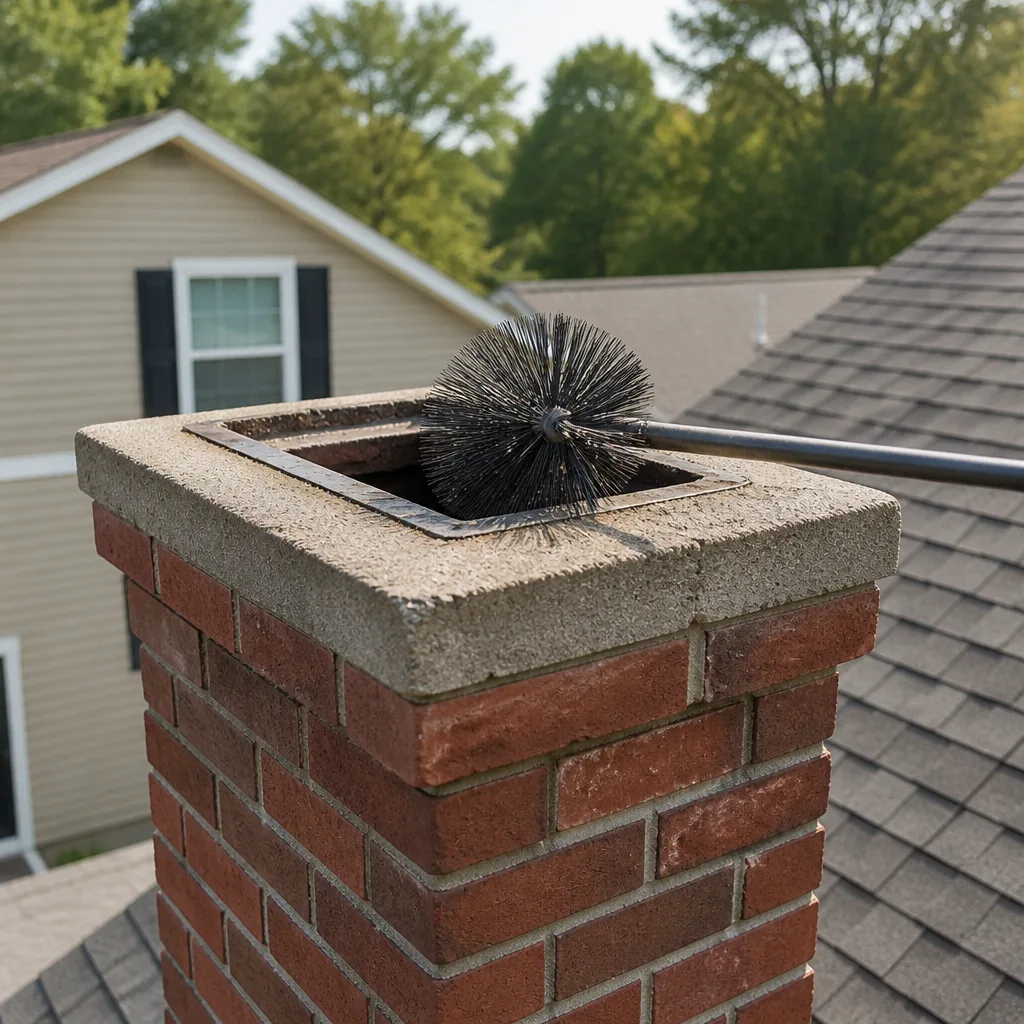 Sweep & inspection
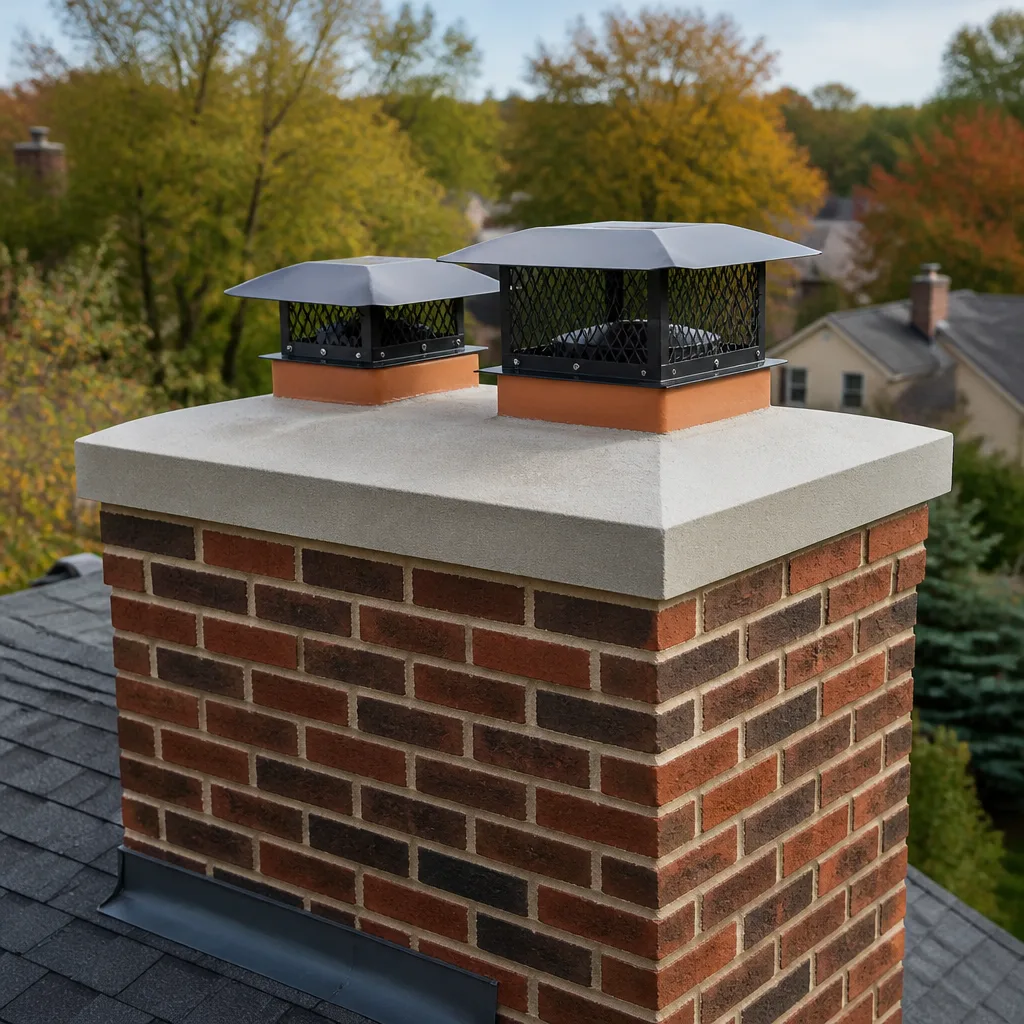 Caps & crowns
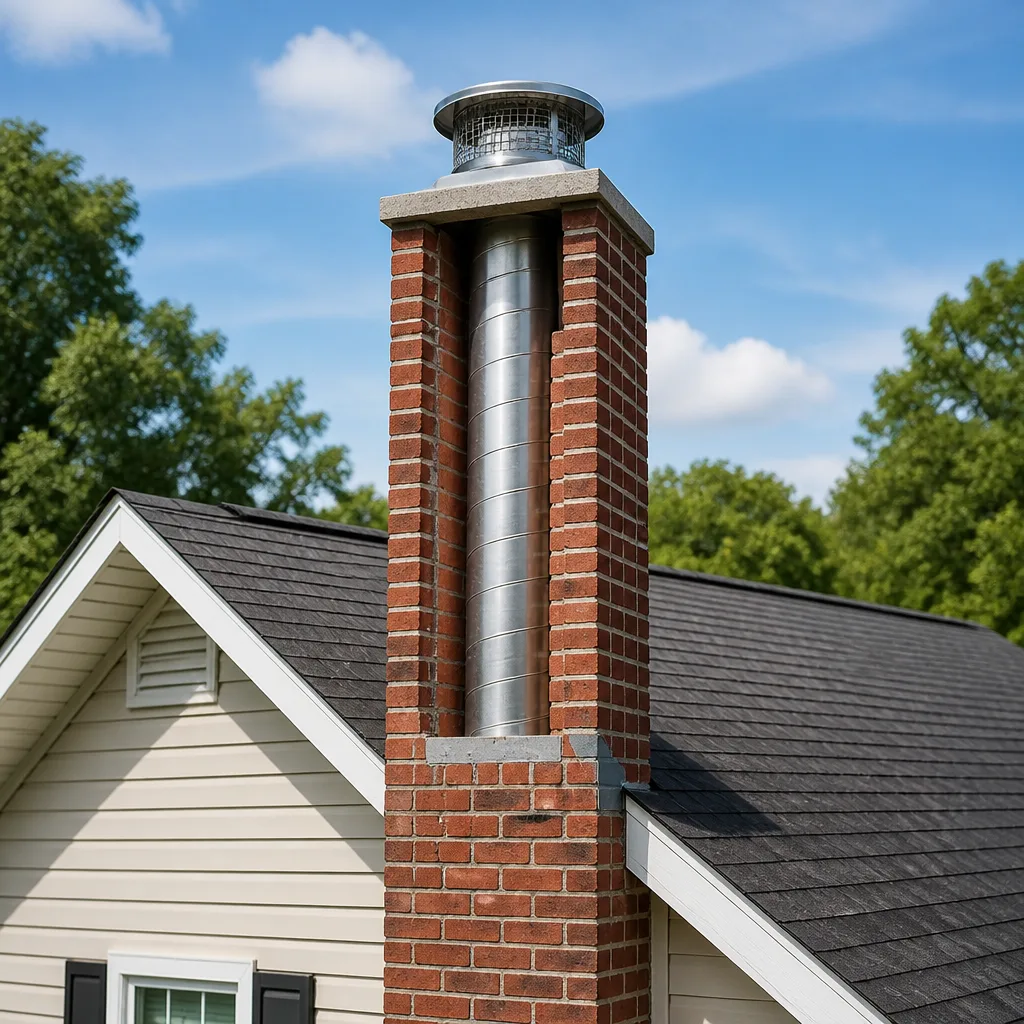 Flue relining
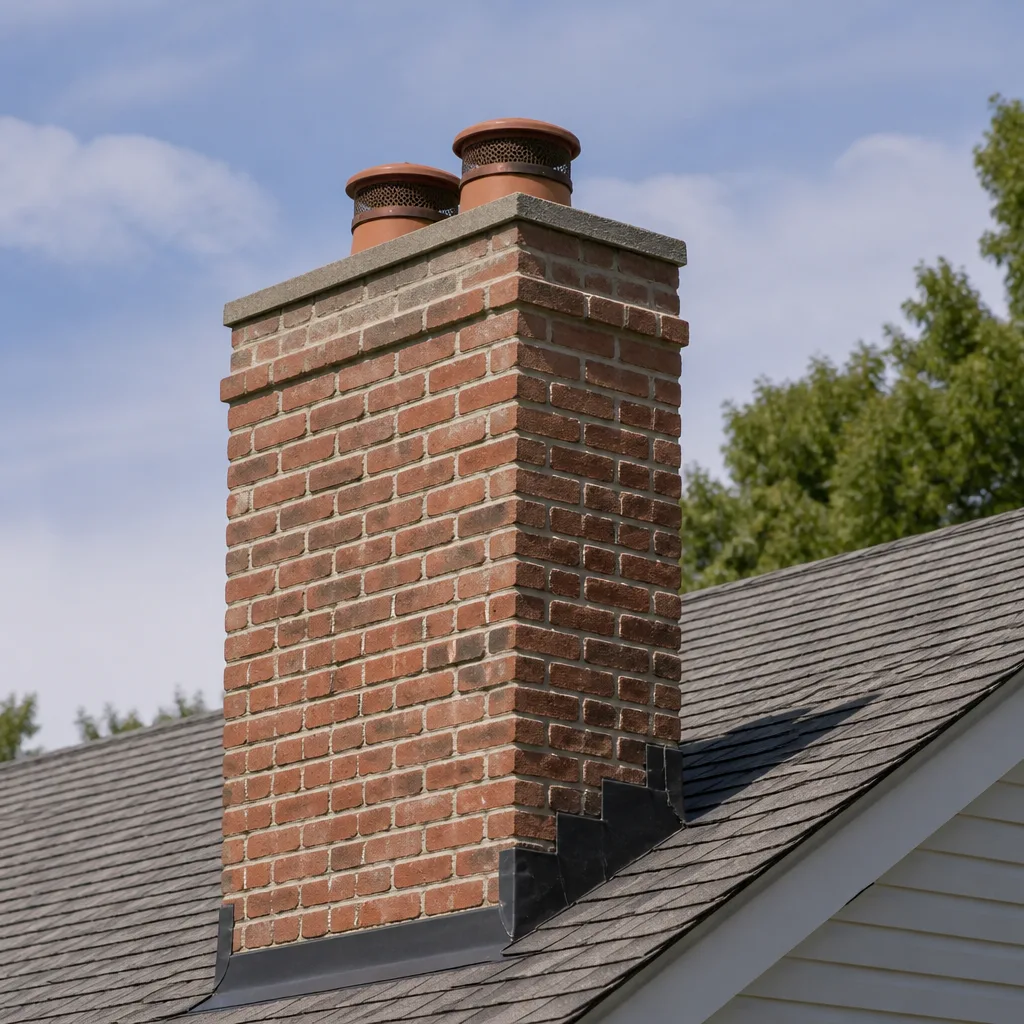 Masonry repair
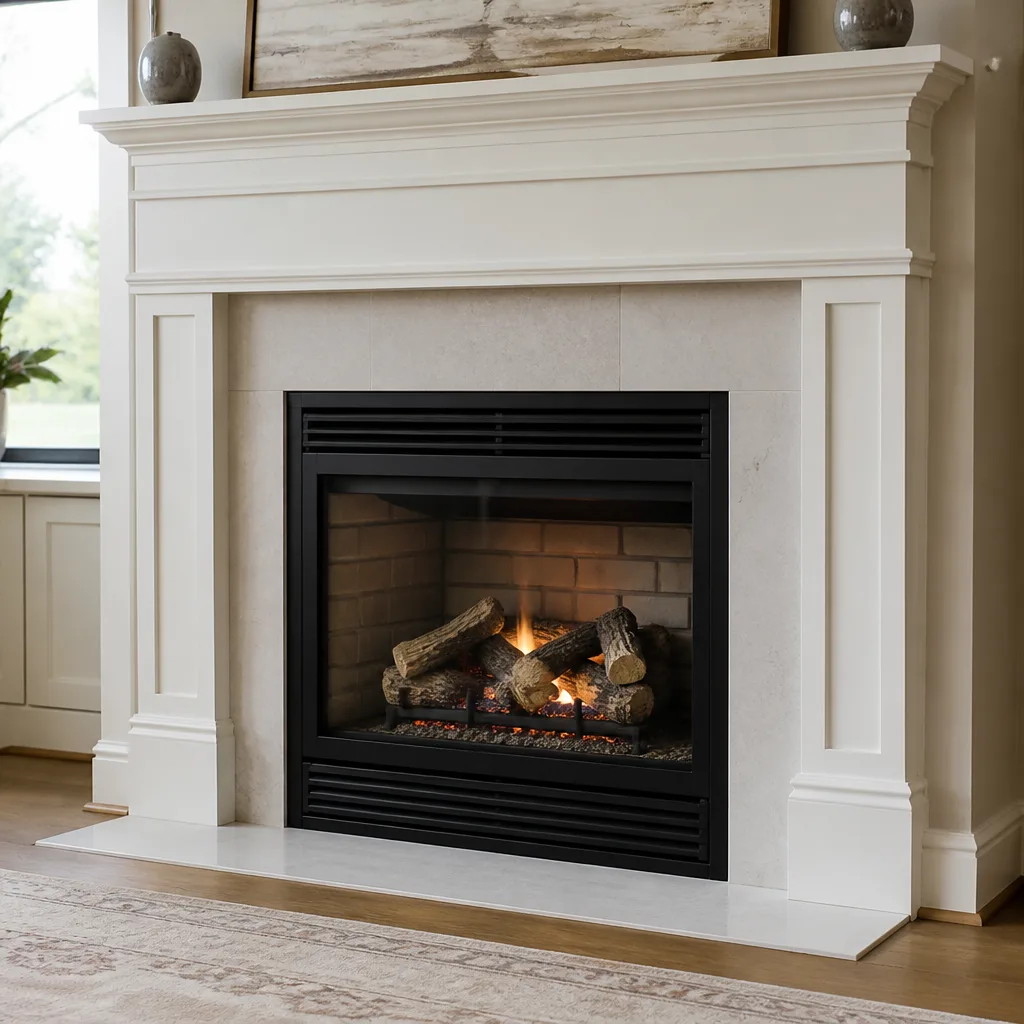 Gas fireplace service
Level 1 sweep and inspection to the NFPA 211 annual standard - flue, crown, cap, and flashing checked and photographed
Chimney sweep logs do not sweep chimneys. They loosen some creosote - which then falls where a brush and vacuum still have to collect it.
Chimney Sweep Troubleshooting in Salt Lake City: Common Problems and How to Fix Them
A smoky fireplace and a cold draft feel like opposite problems. One fills the room with haze, the other pulls cold air down the flue and chills the house. In many Salt Lake City homes they share the same root cause: negative air pressure created by tightly sealed modern construction. The house is holding its breath, and the chimney is the only opening it has. That single insight changes how you troubleshoot. This guide teaches you to read your chimney’s warning signals the way a trained sweep does, tracing symptoms back to the firebox, the liner, or the cap and crown, so you can tell a draft problem from a blockage, spot the DIY fixes that hide real damage, and know when the job needs a professional.
Quick Answer
Most chimney problems fall into three zones: the firebox, the flue liner, and the cap and crown. A smoke test and a match test tell you whether you have a draft problem or a blockage before you call anyone. In Salt Lake City, winter inversions and tight modern homes both worsen smoke rollout, so the fix is usually airflow or a proper inspection rather than more cleaning. Our technicians have up to 15 years of experience reading these signals, and the local pro we connect you with can confirm the cause during a documented chimney inspection.
Styles & brands we work with
- Sweep & inspection
- Caps & crowns
- Flue relining
- Masonry repair
- Gas fireplace service
Table of Contents
- Reading Your Chimney’s Symptoms: A Troubleshooting Map
- How to Tell a Draft Problem from a Blockage: The Match Test
- Why Salt Lake City Inversions Trap Smoke Indoors
- The Three-Zone Inspection Framework: Firebox, Liner, Cap and Crown
- DIY Fixes That Mask Damage and Cost More Later
- Troubleshooting Visit vs. Level 2 Inspection: Which Do You Need?
- Creosote, Smoke, and the Safety Case for Acting
Reading Your Chimney’s Symptoms: A Troubleshooting Map
Every chimney symptom you notice points to one of three zones. Learning to map the symptom to the zone is the whole skill. A smoky fire that only happens on cold, calm mornings is almost always airflow. A fire that smokes even on a mild day, or a smell that lingers when nothing is burning, points to a blockage or heavy creosote. Water stains on the ceiling or a rusted damper tells you the problem is at the top, where the cap and crown live. Before you spend a dollar or make a single call, trace what your chimney is telling you. Here’s how the common complaints break down.
- Smoke rolling into the room: usually negative pressure, a flue that’s too short for the home, or a blockage near the top.
- Cold air spilling down the flue: a chimney with nothing burning will draw from the warm house; a glass door or a closed damper that’s leaking is a common culprit, as is a chimney that sits on the cold exterior wall.
- Pungent smell in summer: creosote or soot reabsorbing moisture; often a sign you’re overdue for a chimney sweep.
- Rusted damper or water in the firebox: the crown, cap, or flashing has failed. Take this seriously even if the fire still lights. Moisture inside a masonry chimney eventually breaks down the liner.
- White staining on the exterior brick: efflorescence from water moving through the masonry. Crown and flashing issues produce it.
Two symptoms at once tell you more than one. A smoky fire plus a rusted damper suggests both a draft issue and a water problem, which usually means the top of the chimney has been letting moisture in for a while. When symptoms point to the cap or crown, that’s our chimney cap & crown territory and a documented inspection will confirm it.
How to Tell a Draft Problem from a Blockage: The Match Test
You can separate a draft problem from a blockage in three minutes without climbing on the roof. The match test checks whether air is moving up the flue or down into the room. Do it on a cool, calm day with no fire burning, all doors and windows closed, and any exhaust fans off. If you have a gas fireplace, don’t do this with the appliance running. Read the result, don’t act on it, and use it to decide what kind of visit you need.
- Open the damper. If the damper won’t open, or it’s stuck, that’s your answer. Stop here.
- Hold a lit match or a thin strip of paper just inside the firebox opening. Not deep in, just past the smoke shelf and into the throat of the firebox.
- Watch which way the smoke goes. If the smoke rises straight up the flue, your draft is working. If it pulls back into the room, or hovers at the opening, the chimney is either blocked or under negative pressure.
- Repeat with a door cracked open six inches. If the smoke now rises cleanly, the diagnosis is negative pressure. If it still spills, the diagnosis is a blockage or a badly sized flue.
- Look up the flue with a flashlight. A nest, a fallen flue tile, or a cap with a crushed screen will be obvious. Anything you can’t see means a camera inspection.
A clean positive draft is the goal of every fire. If the smoke still spills with a door cracked open, stop troubleshooting and get a professional out. A fire that smokes with the door closed and the chimney pulling is unsafe to run.
Why Salt Lake City Inversions Trap Smoke Indoors
The Salt Lake Valley’s winter inversions create a chimney problem you won’t find in most of the country. A dense layer of cold air settles in the valley, capped by warmer air above. Barometric pressure shifts, the air gets still, and a chimney’s natural draft weakens. It’s not that the chimney is broken. It’s that the valley floor is sitting under a lid, and the chimney is trying to push smoke into a smaller and smaller pressure window. Homes in the older residential neighborhoods near downtown and along the east bench feel this most, partly because the houses sit low in the valley and partly because many of them run wood-burning fireplaces alongside modern heating.
The symptom is confusing because the same chimney will draft well one day and poorly the next. Homeowners often blame the wood or the damper when the real problem is atmospheric. You’ll see it most often on cold, dead-calm mornings before the sun breaks through the inversion. When smoke spills under those conditions but the chimney drafts fine on a windy day, you’ve found the pattern.
What you can do:
- Warm the flue before you light. A rolled newspaper torch held near the open damper for 30 to 60 seconds starts the draft moving before the fire gets smoky.
- Crack a nearby window a couple of inches during the start. This gives the fire its makeup air without dumping a winter’s worth of cold into the room.
- Check the top. A cap with a wide mesh screen can restrict draft on a still day. It’s not the cause, but it can tip a borderline chimney into smoke rollout.
- Watch how the fire behaves with the door closed. A properly designed firebox with a glass door will draft better on an inversion day than a wide-open hearth, which gives the fire too much room and the smoke too many escape routes.
If your chimney smokes under inversion conditions and drafts fine otherwise, call a professional for a diagnosis rather than a cleaning. The fix may be a flue upgrade, a different cap, or a firebox change, and only an inspection will tell you which. If you have a cracked firebox, we can restore it with fireplace repair using HeatShield, the resurfacing system that brings damaged fireboxes and flue liners back into service without a rebuild.
The Three-Zone Inspection Framework: Firebox, Liner, Cap and Crown
Every sweep reads a chimney in three zones, from the bottom up. The zones are sequential: symptoms in the firebox usually point to causes upstream, and causes at the cap and crown usually show symptoms downstream. Think of it as a plumbing system. The firebox is the drain, the liner is the pipe, and the cap and crown are the roof. Here’s what each zone produces when it goes wrong.
Zone 1: The Firebox
This is where you sit, but it’s also where most diagnosis starts. Cracks in the firebrick, a crumbling mortar joint, or a warped metal firebox liner are common in Salt Lake City homes that burn wood through the winter. Symptoms in this zone show up as:
- Smoke rolling out before the fire gets hot
- A glass door fogging and staying fogged
- Flaking material on the hearth when the fire is not running
- A gas smell or unusual odor from a gas log set (stop using it and call a professional)
Zone 2: The Flue Liner
The liner is the pipe that carries smoke up and out. A deteriorated clay tile liner will leak smoke into the attic or into the house, and it’s where most dramatic failures are found. Symptoms include:
- Smoke smells in rooms on the opposite side of the wall
- Difficulty getting the fire started at all, no matter what you feed it
- Visible gaps, cracks, or missing grout in the liner tiles
- A chimney that drafts fine but leaves the house smelling smoky after the fire is out
If the liner is bad, a cleaning is not the fix. The right materials matter here. We install DuraFlex flexible liner systems for liners that are deteriorated or oversized, and the local pro will confirm the right size and length before anything is ordered.
Zone 3: The Cap and Crown
This is the top of the chimney, exposed to weather. The crown is the sloped concrete surface at the top, and the cap is the metal or mesh cover. Symptoms in this zone are almost always water-related first, draft-related second:
- Rusted damper, firebox, or flue tiles
- Water stains on the chimney exterior or in the firebox
- A cap with a crushed screen that restricts airflow
- Small birds or squirrels getting in through a missing or damaged cap
Fall and winter moisture followed by freezing temperatures cracks crowns that were fine in the summer. If you see a crumbling crown, address it before another freeze cycle runs through it.
DIY Fixes That Mask Damage and Cost More Later
We’ve seen a lot of DIY chimney repairs in Salt Lake City, and almost all of them do the same thing: they hide the problem from the next inspection. A sealed-up crack looks fine from the ground. It still lets water in at the seam and still cracks the crown further when the freeze returns. Here’s what to avoid, and why.
- Sealing a cracked crown with caulk. Crown cracks are usually wider than caulk can bridge, and caulk over a masonry crack traps moisture inside rather than letting the masonry dry. A proper crown repair rebuilds the sloped surface with the right material, which is how the local pro will do it.
- Painting over efflorescence on the brick. The white staining is moisture leaving the chimney. Paint seals it inside and pushes the moisture further into the masonry. Diagnose the water source first, then fix it.
- Stuffing newspaper or steel wool into a drafty flue in summer. This is how blockages get started and how a well-meaning homeowner cooks a fire in the fall.
- Spraying the flue with creosote remover and calling it clean. Chemical products soften creosote; they don’t remove it. Glazed, third-degree creosote needs a mechanical removal with proper sweeping tools.
- Replacing a cap with a hardware-store mesh cover. A loose-fitting cap doesn’t keep out rain and often blocks too much airflow. Proper caps are sized and mounted for the flue, which is what makes the cap and crown zone reliable.
- Running a fire “hot to burn off the creosote.” This can work for light glazing on the firebox walls, but it does nothing for a lined flue. And a fire hot enough to risk it is a fire hot enough to cause a chimney fire. Don’t.
- Filling firebox cracks with mortar that isn’t rated for the heat. Standard mortar breaks down fast in a firebox. HeatShield is a patented refractory resurfacing system applied by a trained technician, and it’s the right repair for most firebox cracks.
Before you start a repair, ask what it will do to the next inspection. If it prevents a professional from finding the real problem, skip it and get an inspection instead.
Troubleshooting Visit vs. Level 2 Inspection: Which Do You Need?
Not every chimney problem needs the same visit. A trained sweep works to a documented standard set by the Chimney Safety Institute of America (CSIA), which defines three inspection levels. Level 1 is a visual check of accessible parts, typically done with an annual cleaning. Level 2 is a full inspection that includes a video scan of the liner, and it’s the standard for real estate transactions, after a chimney fire, after an earthquake, or whenever you’re making a change to the appliance or fuel. Level 3 adds access to concealed parts of the chimney, and it’s reserved for specific problems that can’t be resolved any other way.
In practice, here’s how to decide:
- Book a Level 1 inspection if your fire drafts fine, you’re on an annual sweep schedule, and you’ve noticed nothing unusual. This is the baseline every homeowner should have on file.
- Book a Level 2 inspection if the match test shows smoke spilling with a door open, you’ve had a chimney fire, you’re buying or selling a home, your insurance adjuster has asked for documentation, or the firebox or damper shows visible damage.
- Book a Level 3 inspection if the local pro finds evidence of a problem in a concealed area that a video scan can’t resolve.
- Book a house-side airflow assessment if the same symptoms appear in every season and the flue tests positive for draft. The chimney may be fine and the house may be the problem.
Our technicians have up to 15 years of experience reading these signals, and we’ll tell you plainly which level you need rather than upselling a scope of work you don’t have a reason for. A Level 2 inspection includes a camera scan and a documented report with photos you can review, which is what most Salt Lake City homeowners actually want when something feels wrong.
Creosote, Smoke, and the Safety Case for Acting
The main reason chimney problems deserve real attention is creosote, the tar-like residue that accumulates from wood smoke. It’s classified by degree. First-degree creosote is light soot, second-degree is a flaky or crusty layer, and third-degree is a glazed, hardened coating that ignites at lower temperatures than the wood that produced it. Chimney fires happen when third-degree creosote in a flue gets the heat and air it needs to burn. You can have a chimney fire you don’t see or hear, especially in a lined flue where the liner absorbs the heat and the fire stays out of sight. A chimney fire accelerates damage to the liner, the crown, and the attic-side of the chimney, which is why a Level 2 inspection after any suspected fire is standard practice.
The carbon monoxide risk is real too. A blocked or damaged flue that stops drafting can push exhaust gases into the home instead of up and out, and a poorly drafting gas appliance can leak CO without any visible sign. That’s not a scare line. It’s the reason a documented chimney inspection belongs on your annual maintenance list in Salt Lake City, along with the furnace filter and the smoke detector battery. A safe chimney is a documented chimney, and having the report on file matters when you sell the house, when your insurer asks, or when a family member is using the fireplace at night.
The upside of all this is that creosote problems are manageable. An annual sweep keeps the layer from building. Burning dry, well-seasoned wood keeps it light. And a camera inspection tells you whether you have a problem in the liner before it becomes a problem in the house.
Common Mistakes to Avoid
- Calling a generalist instead of a chimney specialist. A handyman who sweeps a chimney on the side almost never carries proper liner camera equipment, HeatShield, or a DuraFlex liner system. When the job turns into a repair, you’re handed off mid-project, and the next contractor starts over at a cost.
- Skipping the inspection because the cleaning “went fine.” A clean chimney isn’t a safe chimney if the liner has a crack or the crown is failing. In Salt Lake City, a winter freeze cycle finds those cracks before you do.
- Burning wet wood because it was cheaper. Unseasoned wood produces far more creosote, so the sweep you’ll need next fall costs more than the wood you saved on this winter.
- Rearranging the cap or damper yourself. Both affect the chimney’s draft. A cap that’s too tight or a damper that doesn’t fully open trades a smoke problem for a cold-draft problem.
- Treating a smoky fireplace as a maintenance issue rather than a safety signal. A little odor after the fire is one thing. Smoke rolling into the room while the fire is running is another, and it needs a professional diagnosis.
- Reading the fireplace in the summer. Chimney symptoms change with the season. If you noticed problems in July, remember to recheck in January when the inversions settle over the valley and the flue is drawing against real cold air.
- Not keeping the inspection report. The report and photos are the documentation that makes a home sale, an insurance claim, or an annual safety check go smoothly. File it with the other home records.
See the difference
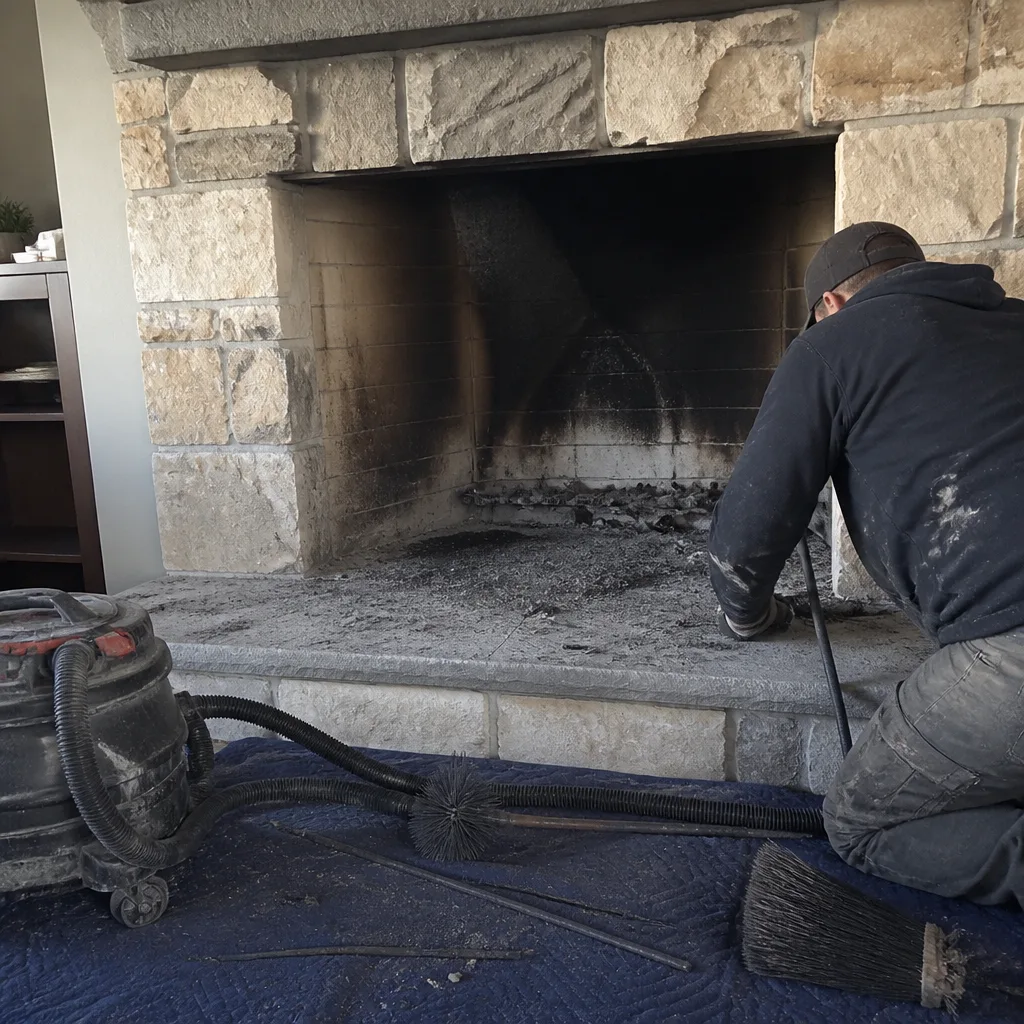 Before
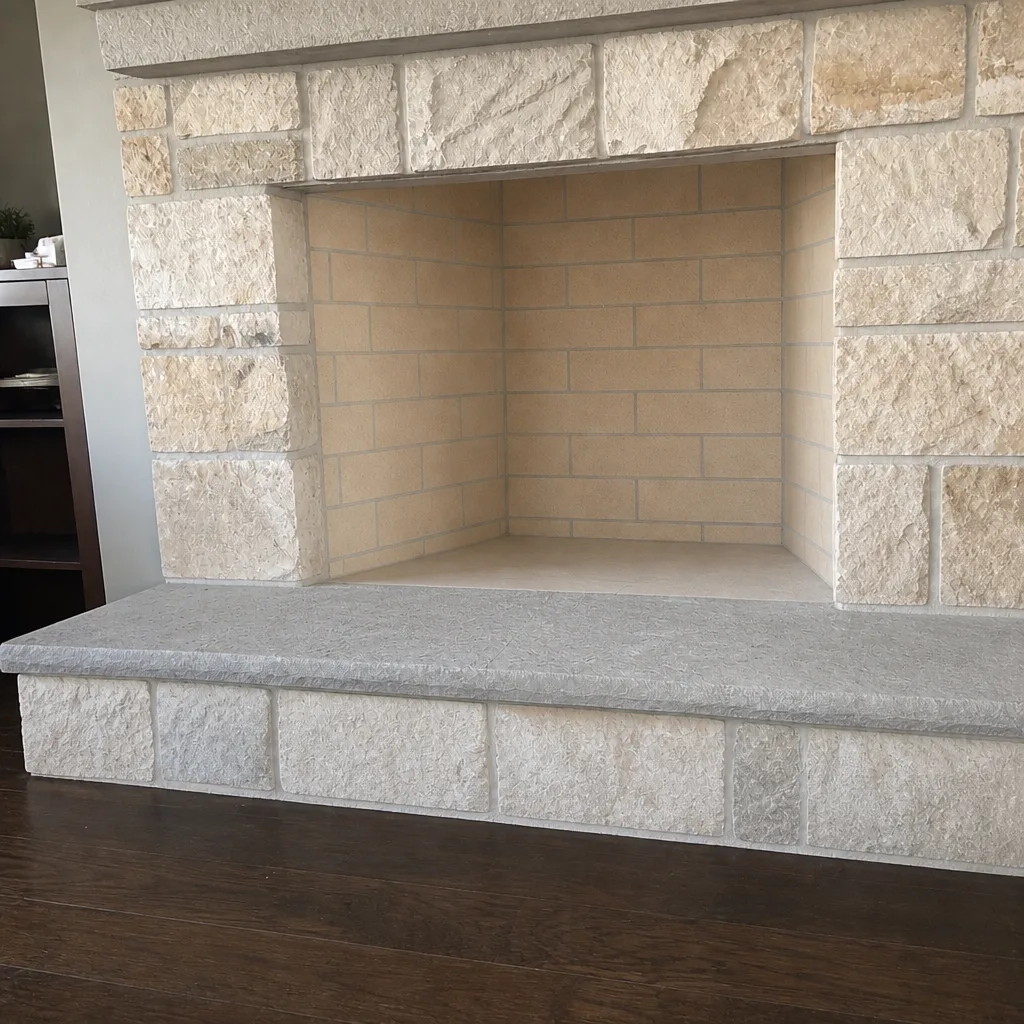 After
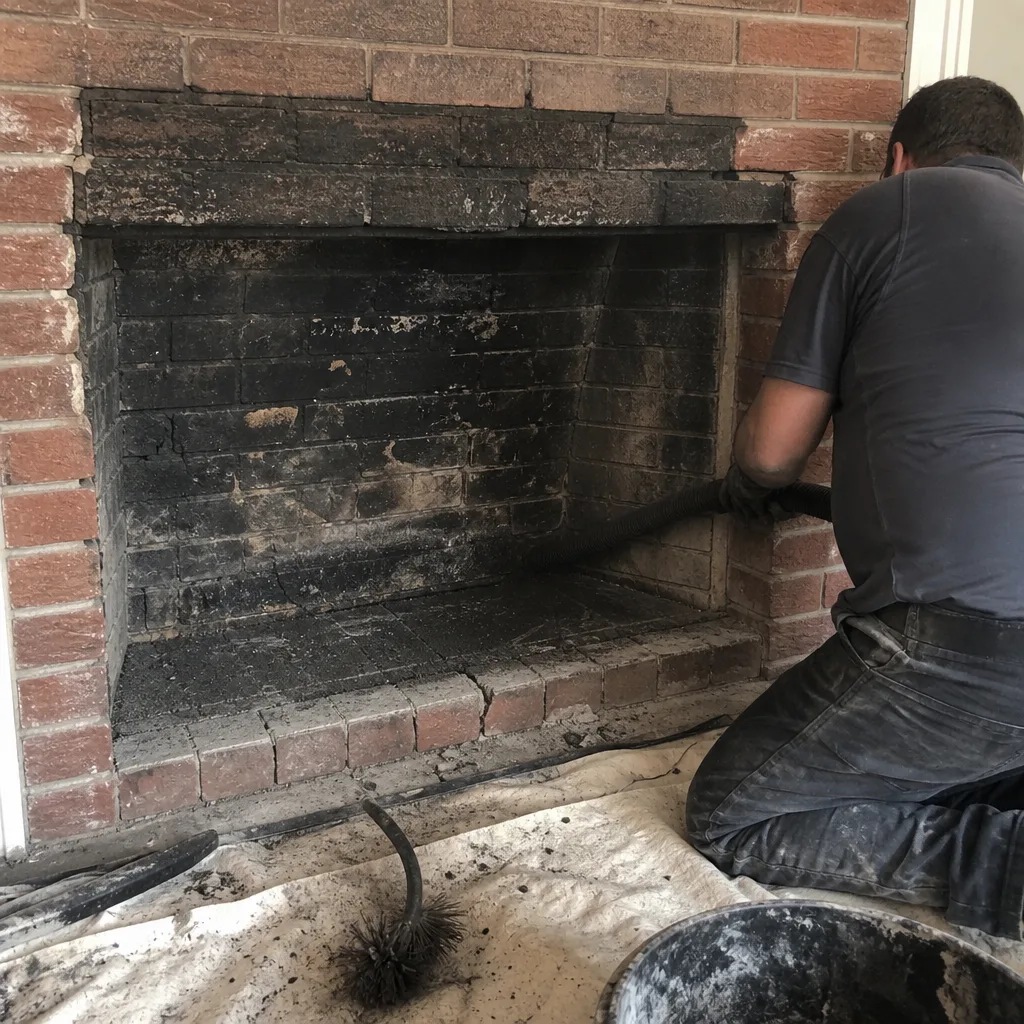 Before
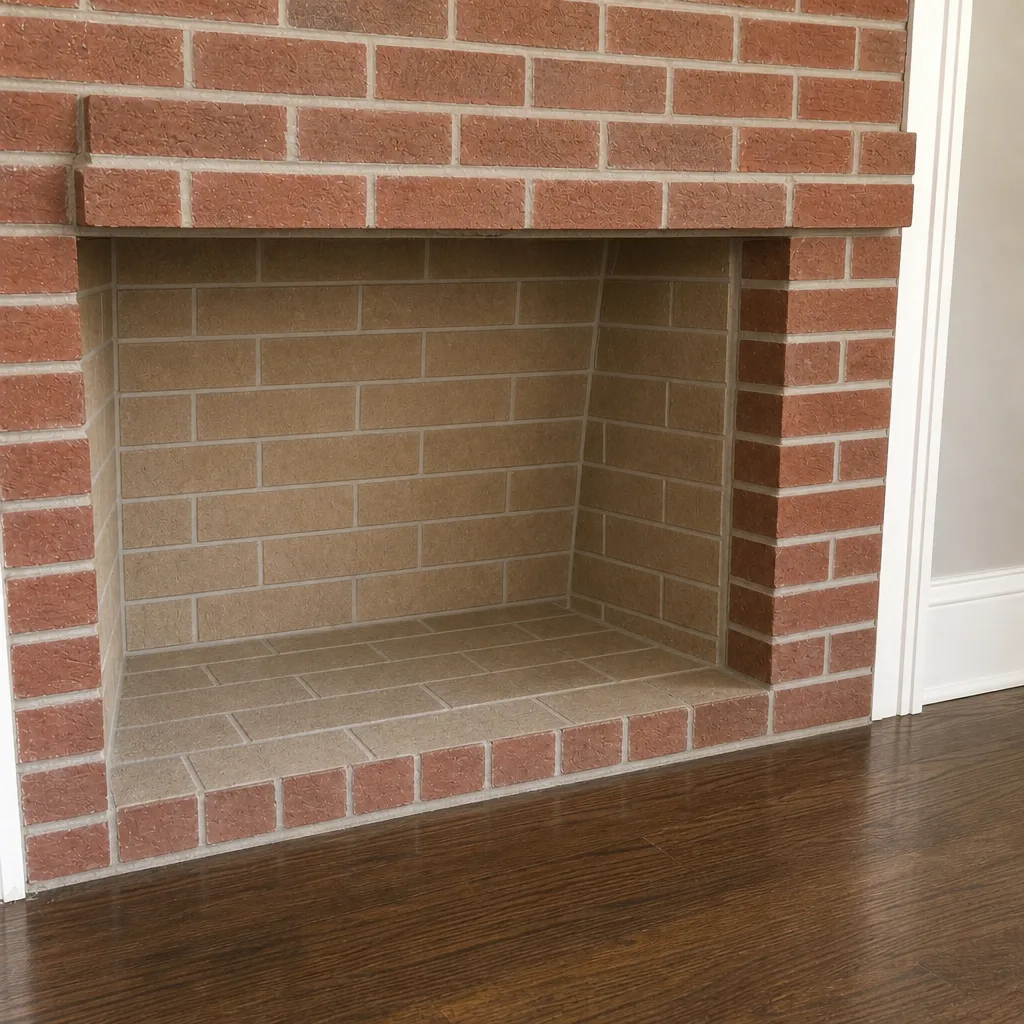 After
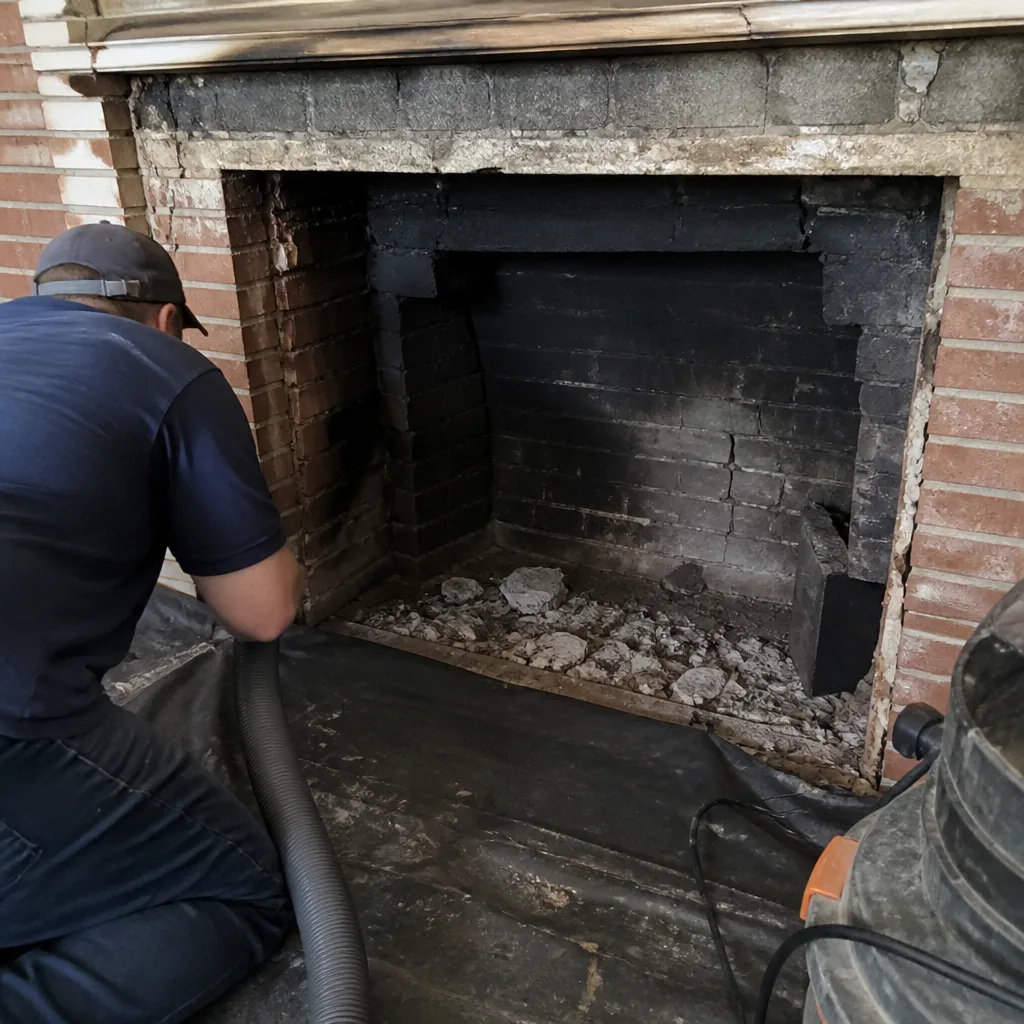 Before
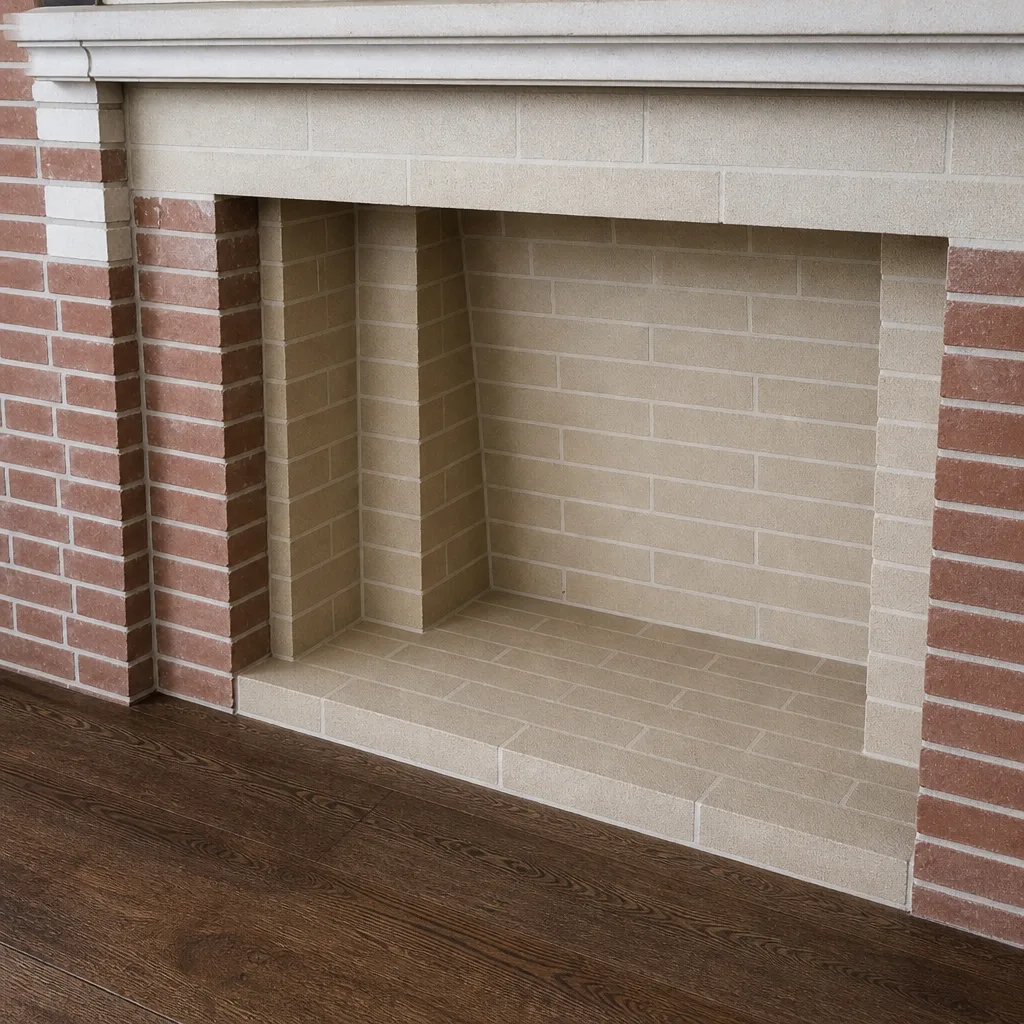 After
When to Call a Professional
Call a professional if you can’t get the smoke to draft with a door cracked open, if you smell smoke in rooms away from the fireplace, if your damper or cap is visibly damaged, or if you’ve had a chimney fire, known or suspected. Call if you’re buying or selling a home in Salt Lake City and the chimney isn’t documented. Call if it’s been more than a year since the last sweep and you burn wood through the winter, and call if you’ve never had a Level 2 inspection and the chimney has been doing its job quietly for years. Salt Lake City Chimney Sweep Pros offers free estimates in Salt Lake City, and our full inspection creates a documented baseline you can file or share. Call (844) 443-4875. We answer 24/7. Fast dispatch from 7am to 7pm, Sunday through Friday. The written estimate sets the final price.
Frequently Asked Questions
A smoky fireplace is drafting air down the flue or failing to pull smoke up it, usually from negative pressure or obstruction, while a cold draft is the chimney pulling cold outdoor air into the house when no fire is burning. The match test tells the two apart. Run it with doors closed and exhaust fans off; if smoke spills into the room, the chimney can’t pull, and if smoke rises but a cold breeze still comes down when nothing is lit, the problem is on the house side. Call (844) 443-4875 for an exact diagnosis, and the estimate is free.
If the same chimney drafts well on a windy day and smokes on a cold, dead-calm morning, the inversion is likely the cause. Salt Lake City’s valley inversions reduce barometric pressure and weaken natural draft. That’s not a defect, it’s atmospheric, but it does mean the chimney needs a better cap, a longer flue, or a pre-warm before each fire. An inspection confirms which of those applies.
Only for simple, cosmetic tasks, not for liner, crown, or firebox damage. The specialist carries the right materials and camera equipment. We install DuraFlex liner systems, HeatShield resurfacing, and Gelco, Olympia Chimney, Famco, and Copperfield products because they are the same professional-grade brands the certified chimney trade uses. Call (844) 443-4875 if the job has gone past a cosmetic fix. The estimate is free.
A Level 2 inspection is needed after a chimney fire, during a home sale, or any time symptoms suggest a concealed problem like a cracked liner or a failing crown. A standard sweep and Level 1 inspection is enough for routine annual maintenance on a chimney that’s drafting fine. When in doubt, describe your symptoms and we’ll tell you which level fits. Call (844) 443-4875 and we’ll book the right visit.
It depends on the crack. A hairline crack in the firebrick is often stable for the season, but a gap wide enough for a business card to fit allows heat and gases through to the structure behind the firebox, and that cannot wait. Our technicians have up to 15 years of experience, and the local pro can confirm with HeatShield resurfacing whether it’s safe to run until spring or needs to be repaired now. Call (844) 443-4875 for a free estimate.
No. Salt Lake City’s road treatments don’t reach a chimney, and there’s no salt air in the valley to corrode a cap or flashing. Chimney damage here comes from freeze-thaw cycling, moisture from failed crowns and caps, and creosote buildup, not from salt. If your cap or crown is failing, that’s a repair, and the chimney cap & crown visit will handle it.
The Bottom Line
Most of the chimney problems you’ll troubleshoot in Salt Lake City trace back to one of three zones: the firebox, the liner, or the cap and crown. Learn the match test to separate a draft problem from a blockage. Learn the symptom-to-zone map so you know which call to make. And treat repair as a specialty rather than a general task. The Salt Lake City Chimney Sweep Pros team works with professional-grade materials, offers the full life cycle from annual sweep to fireplace repair and fireplace repair, and documents every inspection with photos you can file. Call (844) 443-4875 for a free estimate. We answer 24/7. Fast dispatch from 7am to 7pm, Sunday through Friday. The written estimate sets the final price.
Written by the team at Salt Lake City Chimney Sweep Pros.