
Last updated November 25, 2026
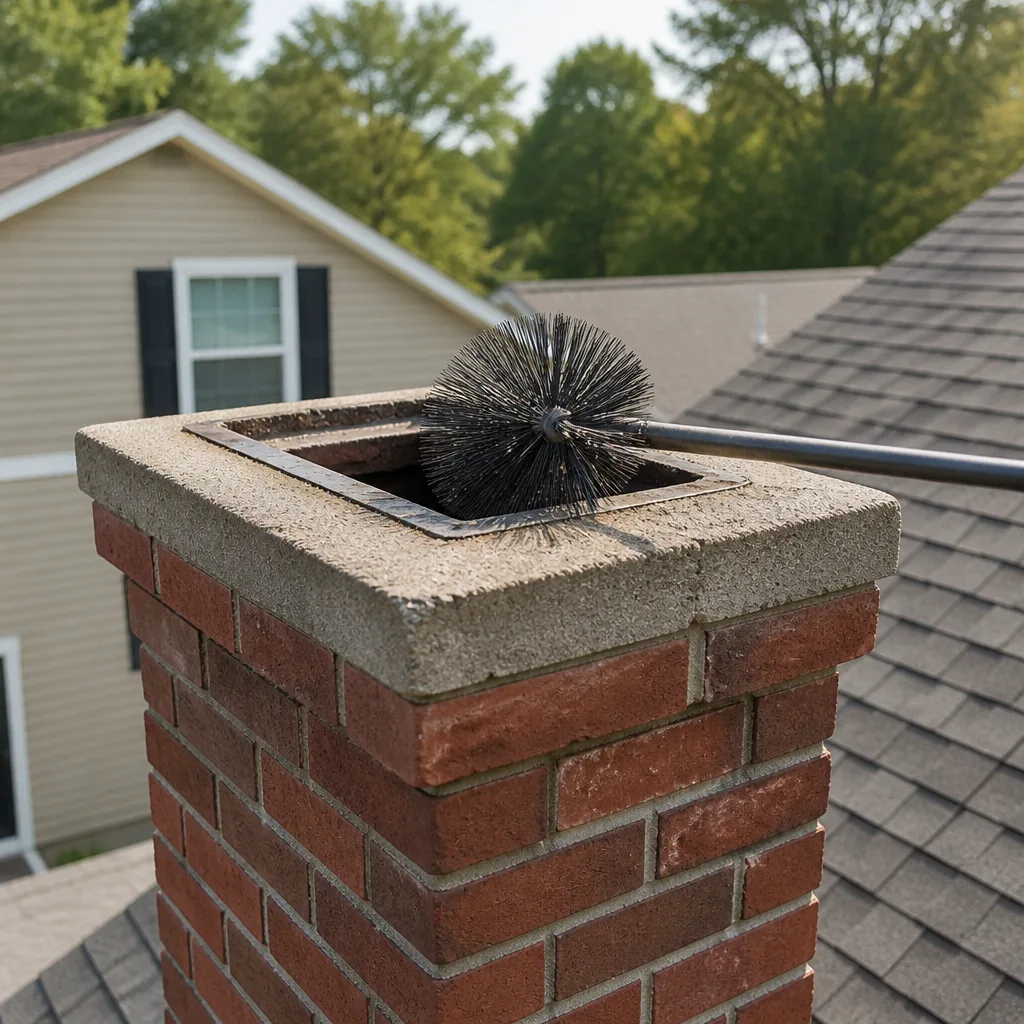 Sweep & inspection
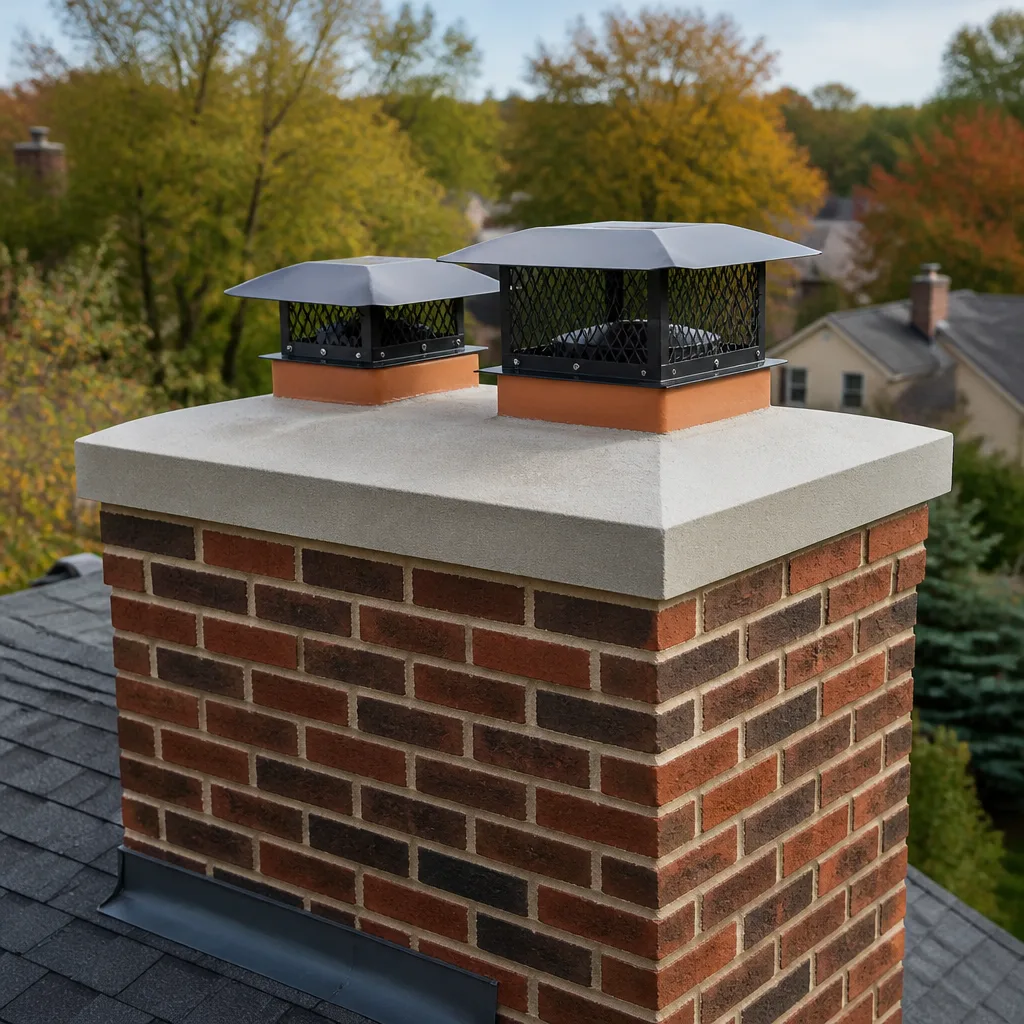 Caps & crowns
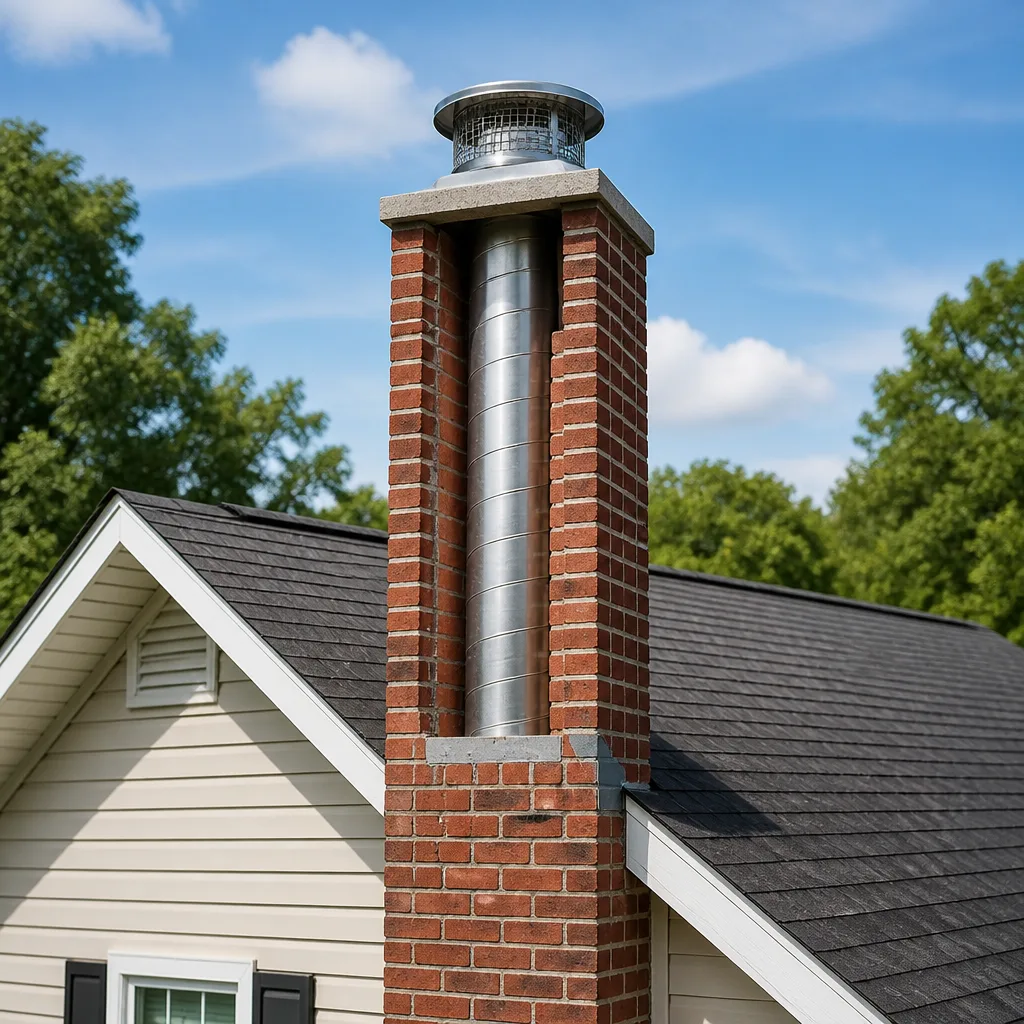 Flue relining
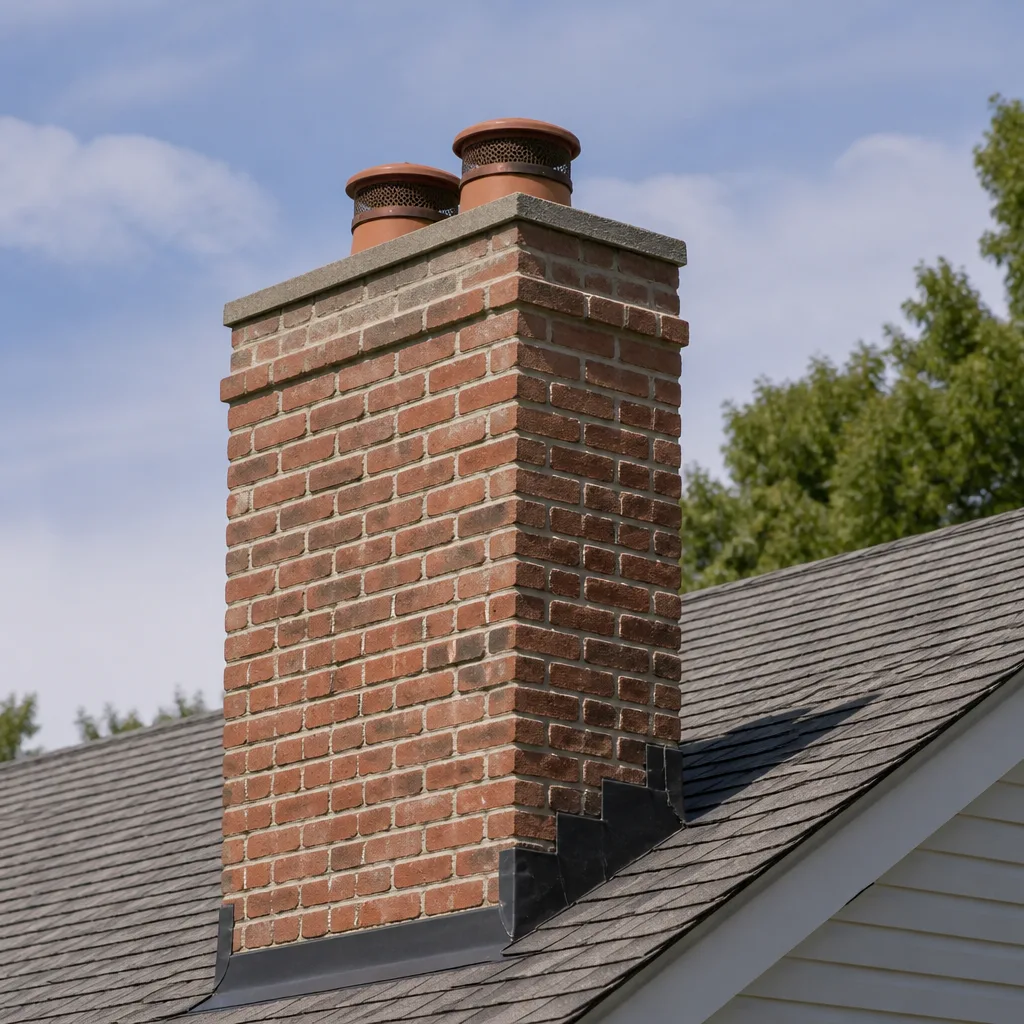 Masonry repair
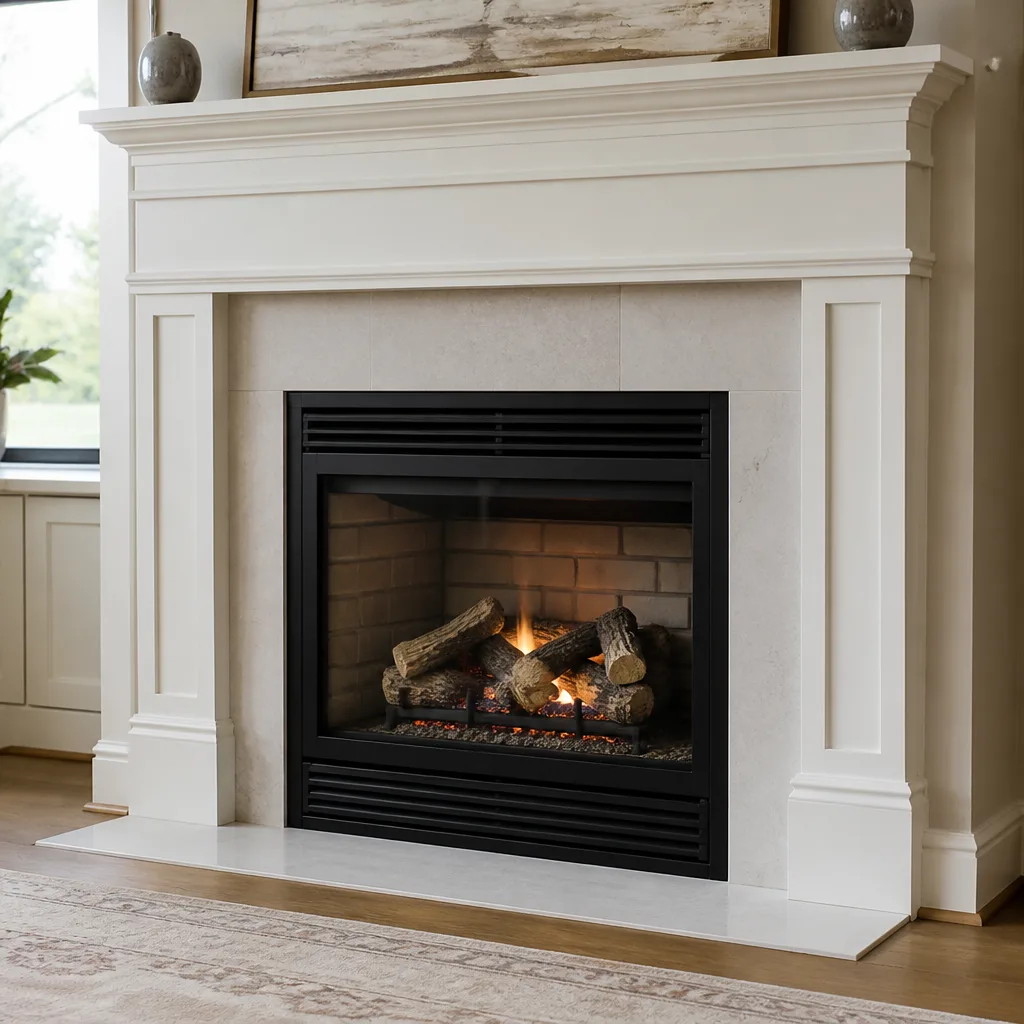 Gas fireplace service
Level 1 sweep and inspection to the NFPA 211 annual standard - flue, crown, cap, and flashing checked and photographed
Chimney sweep logs do not sweep chimneys. They loosen some creosote - which then falls where a brush and vacuum still have to collect it.
The Complete Guide to Chimney Cleaning in Salt Lake City
Most homeowners assume a chimney either works or it doesn’t. The truth sits somewhere in the middle, and it’s a lot less dramatic than the horror stories suggest. Salt Lake City sits in a bowl. That geography traps air, and it also changes how your chimney drafts, how completely your wood burns, and how fast creosote accumulates compared to what national guidelines assume. A cleaning schedule copied from a national brand’s blog was written for sea-level houses in humid climates. Your house is not that house. This guide walks through what a real cleaning involves, how the valley’s inversion seasons change the buildup math, when an inspection is genuinely required versus sold, and what the wood you’re burning actually leaves behind. By the end you’ll know how to judge the work, spot an upsell, and decide when to call a specialist.
Quick Answer
Chimney cleaning in Salt Lake City means removing creosote, soot, and ash from the flue, firebox, and smoke chamber, then documenting the flue’s condition with a camera inspection so you know what’s left behind. Most wood-burning chimneys need a sweep once a year or after roughly a cord of wood, but high-altitude burning in the Salt Lake Valley can accelerate buildup faster than the national one-inch rule assumes, so annual inspection matters more here than the sweep interval alone. A proper cleaning ends with photos and a written report, not just a receipt.
Styles & brands we work with
- Sweep & inspection
- Caps & crowns
- Flue relining
- Masonry repair
- Gas fireplace service
Table of Contents
- What a Real Chimney Cleaning Actually Involves
- How Salt Lake Valley Inversions Change Your Creosote
- Altitude, Appliance Ratings, and Why Your Stove Deposits More
- Utah Wood Species and Their Creosote Risk
- Visual Sweep vs. Level 2 Inspection: What’s Required and What’s Upsold
- What Chimney Cleaning Costs in Salt Lake City
- How Often Should You Actually Sweep?
- Common Mistakes to Avoid
- When to Call a Professional
- Frequently Asked Questions
What a Real Chimney Cleaning Actually Involves
A proper cleaning is a sequence, not a quick brush and gone. Understanding the steps lets you compare what you’re being quoted against what actually gets done, and it’s the fastest way to spot a sweep who intends to be in and out in fifteen minutes. Here’s how a full cleaning runs from the moment the technician steps inside to the moment you receive documentation.
- Set up protection. Drop cloths on the floor, a HEPA vacuum running near the firebox, and plastic sheeting over the opening. If nobody covers your floor, the crew isn’t planning to be careful.
- Inspect the firebox and damper first. Before any brushing, the technician checks the firebox for cracked brick and mortar joints, then operates the damper to confirm it opens, closes, and seals. A damper that won’t close is a draft and heat-loss problem you’ll want to know about.
- Sweep the flue from the top down. A handled brush matched to your flue size runs the full length. The vacuum catches what falls. Creosote glazed onto the walls needs a rotary tool, not a hand brush, and that’s where the job either gets real or gets skipped.
- Clean the smoke chamber and shelf. This is the sloped section above the damper and below the flue. It collects soot and is the most commonly skipped part of a cleaning. If it’s never been cleaned, ask.
- Clear the firebox and clean the glass or screens. Ash goes out, brick gets wiped, and glass on a fireplace insert gets cleaned.
- Run a camera up the flue. This is the step that separates a cleaning from a documented cleaning. Camera footage shows cracks, gaps in the liner, offset tiles, and creosote glazing the brush couldn’t lift.
- Document with photos and a written report. You get the images, a plain-English summary, and a recommendation that separates urgent items from ones that can wait.
A technician with real experience knows the difference between a chimney that needs work and one that needs a sweep and nothing else. Our technicians have up to 15 years of experience, and in that time the equipment and the industry materials have evolved considerably. Professional-grade liner systems like chimney sweep follow-up repairs are what we install when a sweep reveals a liner problem, not something swapped in from a hardware aisle.
How Salt Lake Valley Inversions Change Your Creosote
Salt Lake City’s winter inversions do more than trap smog. They change the pressure and temperature conditions your chimney drafts against, and that changes how completely your wood burns. A chimney relies on a pressure difference between warm flue gas and cooler outdoor air. When a stable layer of cold air sits over the valley and warmer air sits above it, the atmosphere’s natural tendency is to press down. At the same time, a house in an inversion can be pulling air from a high-pressure outdoor environment, which can reduce the draft that carries smoke up and away.
The result is a fire that smolders slightly where it should be pulling hard. A slower, cooler fire is also a less complete fire, and less complete combustion deposits more creosote on the flue walls. During a multi-day inversion, many households reduce their air setting to make the wood last, which compounds the situation.
What that means practically:
- Creosote can move from soft and sooty to Stage 2 (crumbly, more difficult to remove) sooner than the national one-inch rule suggests, because the moisture-rich deposits build up faster.
- Stage 3 (glazed, tar-like) creosote is the hardest to remove and the most dangerous if left. It doesn’t brush off; it needs rotary cleaning or, in some cases, resurfacing.
- The quietest sign of a drafting problem is smoke spilling into the room when you first light the fire. If you see it several times in one season, that’s a draft issue worth inspecting.
- Gas and wood appliances in the same house behave differently in an inversion. A wood unit that smolders will flue-up faster than the gas unit next to it because there’s no byproduct to deposit.
In our experience, homes on the east bench and up toward the foothills in Salt Lake City tend to draft better than those in the flat central valley, simply because their chimneys are taller relative to surrounding structures. But a taller chimney doesn’t solve a cold, inversed air mass. It only buys you time.
Altitude, Appliance Ratings, and Why Your Stove Deposits More
Most wood stoves, inserts, and fireplace ratings on the market are tested at or near sea level. Salt Lake City sits well above that. At higher altitude, air is thinner, less oxygen is available per cubic foot drawn into the firebox, and the stove must work harder to burn as cleanly as its nameplate assumes. A unit rated for sea-level performance may underperform and over-deposit here for reasons that have nothing to do with a defective stove.
This shows up in a few consistent ways:
- Poorer combustion. Less oxygen per volume means the fire runs cooler and more wood is left partially unburnt, increasing creosote deposits.
- Different draft behavior. The chimney may need additional height or a different cap to draw reliably at altitude. A cap that was adequate at sea level can actually restrict the flue at our altitude.
- Draft-induced soot on the glass. Dark streaks on a stove glass after a fire aren’t necessarily a cleaning problem. They can be a sign that the appliance is running fuel-rich at altitude.
- Higher sweep frequency. The rough rule of thumb for annual cleaning assumes sea-level burn conditions. At altitude, if you rely on the stove as a primary heat source, expect to inspect more often.
Ask what altitude rating your appliance carries when you buy or install one. If the manual doesn’t specify, assume sea-level testing and plan for annual inspections rather than a less-frequent schedule. If your stove is running sootier than you’d expect, a Level 2 inspection with camera documentation will tell you whether the flue or the appliance is the cause.
Utah Wood Species and Their Creosote Risk
National chimney guidelines assume you’re burning seasoned hardwood, typically oak or maple. In Utah the local wood supply leans differently. Gambel oak and pinyon pine are the two most common species households burn, and their creosote profiles are meaningfully different from the coastal hardwood assumption.
- Gambel oak. A dense hardwood that burns hot and long, which makes it a popular choice for heat. Dried properly it’s one of the better woods to burn here. If it’s not fully seasoned, though, it smolders and gums up the flue faster than oak burned at sea level, because the altitude effect slows combustion.
- Pinyon pine. Higher in resin and lower in density than hardwoods. It lights fast and throws a lot of heat, but the resin contributes to creosote deposits. Pinyon used as fire-starter wood is fine; pinyon as the main fuel reduces the interval between cleanings.
- Mixed fuel. Many Utah households load whatever is available. Bagged or bulk wood that mixes in pine, cedar, or green wood raises creosote risk compared to a single seasoned hardwood.
Moisture content matters more than species. Wood that’s below about 20 percent moisture by weight can burn cleanly. Wood above that smolders, and smoldering is the engine of creosote deposition. If your wood has been stacked and covered for a full season before burning, you’re already ahead of most. If it’s been split and stacked for a few weeks, it’s not ready. A cheap moisture meter takes the guesswork out, and it’s the single most useful tool a homeowner can own next to a flashlight.
Visual Sweep vs. Level 2 Inspection: What’s Required and What’s Upsold
Not every cleaning needs a camera inspection, and not every cleaning is done honestly without one. Here’s the distinction, and it’s worth knowing before you book.
A basic sweep and visual inspection covers the firebox, damper, visible smoke chamber, and the accessible portions of the flue. It’s what an annual maintenance visit calls for when the fireplace is in normal service and nothing has changed. A visual inspection from the firebox doesn’t see past the smoke shelf, so it can’t confirm the liner’s condition above that point.
A Level 2 inspection adds a camera run through the flue from the top down, which sees cracks, offset tile joints, gaps in the liner, and creosote glazing the visual inspection can’t reach. It’s the right inspection when there’s a change in the system, not necessarily every year.
When a Level 2 inspection is genuinely warranted:
- You’ve just bought the house, or you’re buying one and want pre-closing documentation.
- You’re switching fuels, adding an insert, or replacing an appliance.
- You’ve had a chimney fire, a flue collapse, or a sudden draft change.
- Your insurance company asks for documentation of the flue’s condition.
- It’s been several years since the last documented inspection, or you don’t know the chimney’s history.
When it’s arguably being upsold: a routine annual cleaning on a chimney with no change in service, no history of problems, and a visual inspection that finds nothing. In that case a Level 2 inspection isn’t required, though it’s still a reasonable option for peace of mind if you’ve never had one.
The right question to ask before you book is: “What will the inspection document, and will I see the camera footage?” A chimney company that can’t answer that with a specific scope is probably working from a menu rather than from your chimney. We work with professional-grade materials including DuraFlex flexible liner systems and Gelco masonry repair materials, and we hand over the footage because the documentation is the point.
What Chimney Cleaning Costs in Salt Lake City
Chimney cleaning in Salt Lake City typically runs $180 to $350 for a straightforward sweep with a visual inspection and photo documentation. A Level 2 inspection with camera footage generally adds $75 to $150 to the visit. Repairs that turn up during a cleaning (a cracked crown, a failed cap, a damaged liner section) are quoted separately, and the written estimate sets the final price.
The range is wide because it reflects real variables: the height and pitch of the roof, the flue size, the volume of creosote, whether the firebox is clean or has been neglected for years, and whether the appliance is a straight wood fireplace or an insert that requires disassembly. Here’s a rough breakdown of what components you might see quoted:
- Standard sweep with visual inspection and photo report: $180 – $350.
- Level 2 camera inspection added to a standard sweep: $75 – $150 additional.
- Rotary cleaning for Stage 3 glazed creosote: quoted after inspection, priced by flue size and severity.
- Chimney cap installation: quoted by cap type and flue size; a proper cap prevents water intrusion and animal entry.
- Crown repair or rebuild: quoted by the extent of mortar loss and whether resurfacing is viable.
- Liner replacement or relining: quoted after camera inspection, since the flue length and access path determine the work.
A cleaning and a repair quote are different documents. A sweep who quotes repair dollars before the flue has been brushed and inspected is working from a template, not from your chimney. The written estimate after inspection is the only price that matters, and a good company will put it in writing before anyone picks up a tool.
How Often Should You Actually Sweep?
Every wood-burning chimney should be inspected once a year, and cleaned when the creosote layer reaches about one-eighth of an inch, which is the threshold most chimney professionals use as the cleaning trigger. In Salt Lake City, high-altitude burn conditions, seasonal inversions, and the local wood mix can push that threshold sooner than a year if you’re burning as your primary heat source, so annual inspection is the right baseline and cleaning follows the inspection.
Here’s how to think about the interval in this climate:
- Annual inspection is non-negotiable. Regardless of how much you burn, a yearly look at the flue’s condition catches problems while they’re still small.
- Clean when you hit roughly a cord of wood. That’s a reasonable trigger for most Salt Lake City households with a fireplace in regular use. Heavy burners should count, not assume.
- Clean before the season starts, not after. Fall is the right time so you’re not dealing with a mid-season buildup. Early fall in Salt Lake City is cool but not cold, and booking before the burn season avoids the shortest window of availability.
- Clean sooner if the wood wasn’t seasoned. If a season’s worth of burning used wood that wasn’t fully dry, expect a faster buildup and an earlier sweep.
- Clean if you’re selling or buying. Pre-sale documentation protects both sides, and it’s a reasonable ask from a buyer’s inspector.
A gas fireplace needs less frequent sweeping but still needs inspection. Gas deposits are thinner and burn cleaner, but the flue, venting, and surrounding masonry still need to be checked for condensation, animal intrusion, and component wear. Don’t let a gas fireplace go uninspected for years on the assumption that it never needs attention.
Common Mistakes to Avoid
- Burning wood before it’s seasoned. The damp wood smolders, and smoldering is what deposits creosote. In Salt Lake City’s drier climate, homeowners often assume a shorter drying period is enough, but a split piece needs a full season stacked and covered before it’s ready.
- Burning pine as your main fuel. Pinyon and other resin-heavy softwoods add to the deposit rate faster than Gambel oak or other dense hardwoods. Use them to start a fire, not carry it.
- Skipping a cleaning because the fire looks fine. A fire can burn cleanly at the top of the firebox while the flue wall is coated in creosote above it. You can’t see the problem from the hearth, which is exactly why the camera run matters.
- Buying an inspection you can’t see the results of. A verbal “it’s fine” or a written note without camera footage or photos leaves you with no information you can act on. Ask for the images.
- Assuming a general handyman is a chimney specialist. A handyman can sweep a chimney, but not document it, resurface a firebox, or install a liner system with the right materials. The trade is specialized for a reason.
- Reducing the air intake to make wood last during inversions. The smolder that follows deposits more creosote than the wood savings are worth, and it makes the next sweep harder.
- Ignoring a damaged cap or crown. A cracked crown lets water into the masonry, which is what causes the expensive repair later. A cap or crown repair done early is a fraction of a rebuild.
When to Call a Professional
Call a specialist when you smell smoke in the room with the damper open, when you see creosote staining on the exterior brick, when the fire doesn’t draw like it used to, or when it’s simply been more than a year since the last documented cleaning and inspection. Call before you buy a house with a chimney you can’t verify, and call when your insurer asks for condition documentation. On the repair side, call when a sweep reveals a cracked crown, a failed liner, or a firebox that needs resurfacing. Salt Lake City Chimney Sweep Pros offers free estimates in Salt Lake City. Call (844) 443-4875. Our technicians have up to 15 years of experience, and every estimate is written before work begins. Reach us at Salt Lake City Chimney Sweep Pros.
Frequently Asked Questions
Chimney cleaning in Salt Lake City typically costs $180 to $350 for a standard sweep with visual inspection and photo documentation, with a Level 2 camera inspection adding roughly $75 to $150. The written estimate after the technician sees the flue sets the final price, since flue height, creosote volume, and appliance type all affect the work. Call (844) 443-4875 for an exact quote; estimates are free.
A chimney in Salt Lake City should be inspected once a year and swept when creosote reaches about one-eighth of an inch, or roughly every cord of wood burned. The valley’s inversions and high-altitude burn conditions mean buildup can move faster than the national sea-level rule assumes, especially if you’re burning pinyon or unseasoned wood. If you’re burning as your primary heat source, don’t wait a full year between inspections. Call (844) 443-4875 to book a cleaning before the season.
You need a new liner if the camera footage shows cracks, gaps, or offset tile joints that let heat and flue gases reach combustible material. A visual inspection from the firebox can’t confirm that, which is why a Level 2 camera inspection comes first. If the liner is sound, we say so and clean around it. If it needs replacing, the footage shows you why, and the scope is in the written estimate before anything is ordered. Call (844) 443-4875 for a documented inspection.
Skipping a cleaning lets creosote build to thick, glazed deposits that are harder to remove and more dangerous to leave. Creosote is what burns in a chimney fire, and a glazed flue is the condition where a chimney fire is most likely. The damage a chimney fire leaves behind is usually a liner replacement, not just a sweep. The risk is real, but it’s also easy to manage with a yearly look. Call (844) 443-4875 for an inspection.
A gas fireplace needs far less frequent sweeping than a wood-burning one, but it still needs periodic inspection of the flue and venting. Gas fires leave thinner deposits, but the flue, cap, and surrounding masonry still see condensation, animal entry, and component wear that a visual look every year or two will catch. A documented inspection is also what insurers and buyers ask for. Call (844) 443-4875 to schedule one.
A sweep removes creosote from the firebox, damper, smoke chamber, and flue. A Level 2 inspection adds camera footage of the whole flue from the top, which is the only way to see cracks, gaps, and liner damage above the smoke shelf. A Level 2 inspection is warranted after a purchase, a fuel change, a chimney fire, or when insurance asks; a routine annual cleaning with a visual inspection is generally enough when nothing has changed. Call (844) 443-4875 if you’re unsure which one you need.
The Bottom Line
A clean chimney in Salt Lake City is a documented chimney, not a swept one. The valley’s inversions, altitude, and local wood species push creosote buildup faster and differently than the national guidelines assume, so annual inspection matters more than the sweep interval alone. Ask what’s covered, ask to see the camera footage, and expect a written estimate before any repair begins. You don’t need to guess whether you need a liner or a crown; the footage should show you. If it doesn’t, get a second look. For a sweep, inspection, or chimney cap & crown work, we’re a phone call away, and a fireplace repair is handled by the same specialists who inspected the flue.
Ready to book? Call (844) 443-4875. We answer 24/7. Fast dispatch from 7am to 7pm, Sunday through Friday. The estimate is free and the price is set by the written estimate, so you’ll know the scope and the cost before work starts.
Written by the team at Salt Lake City Chimney Sweep Pros.
See the difference
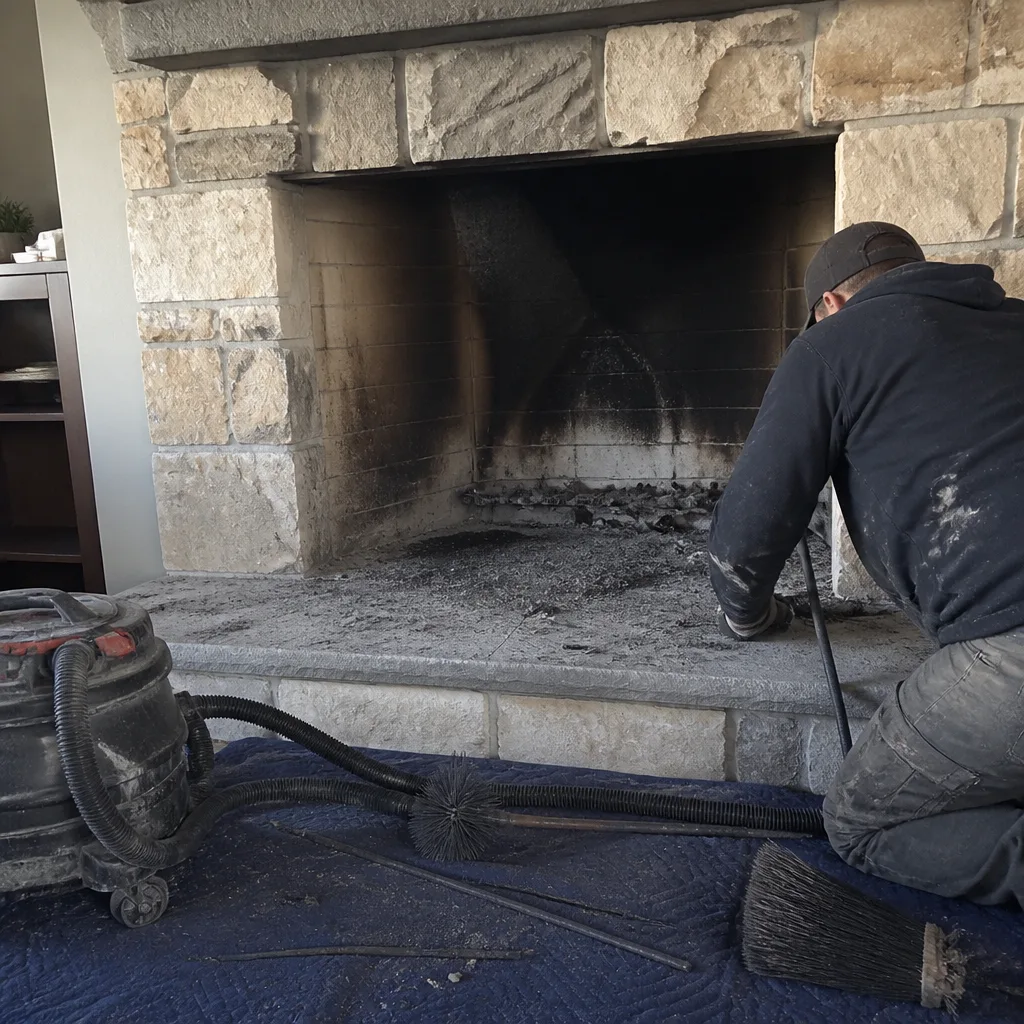 Before
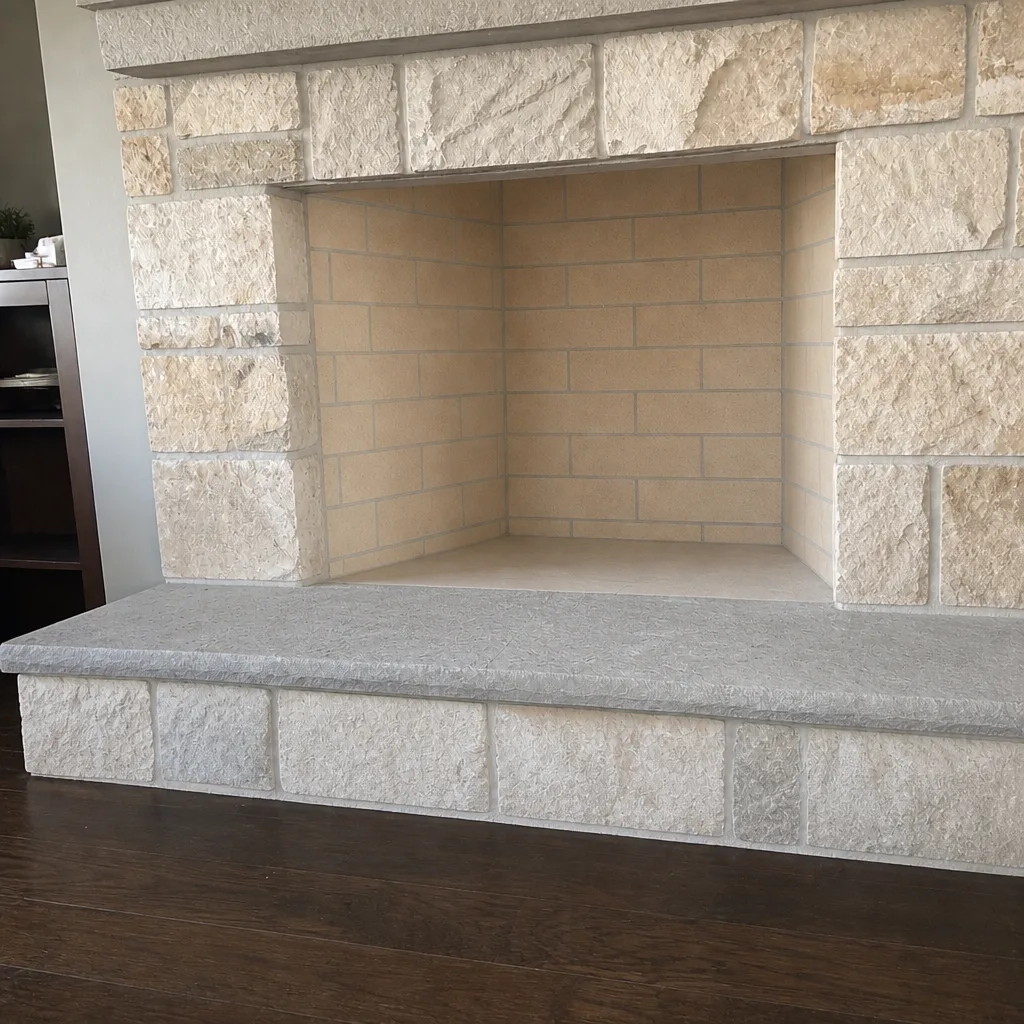 After
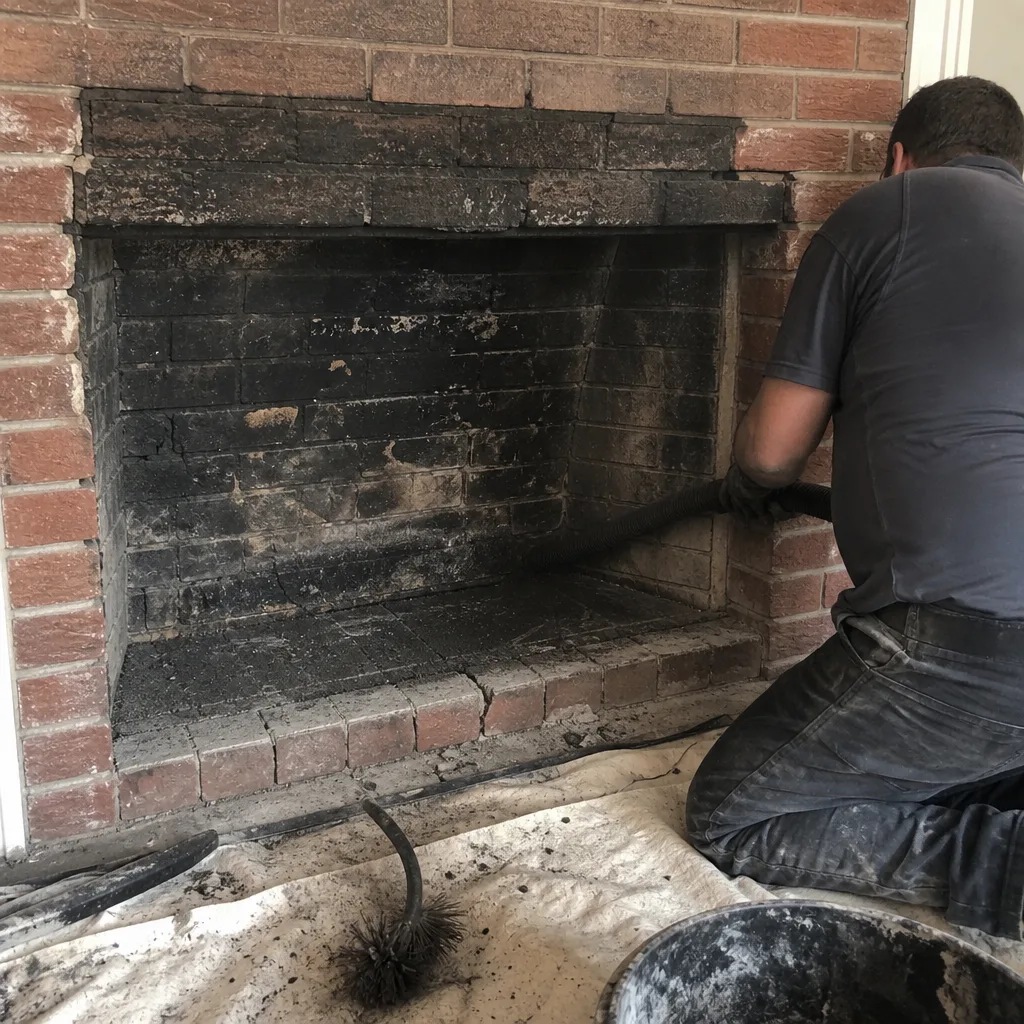 Before
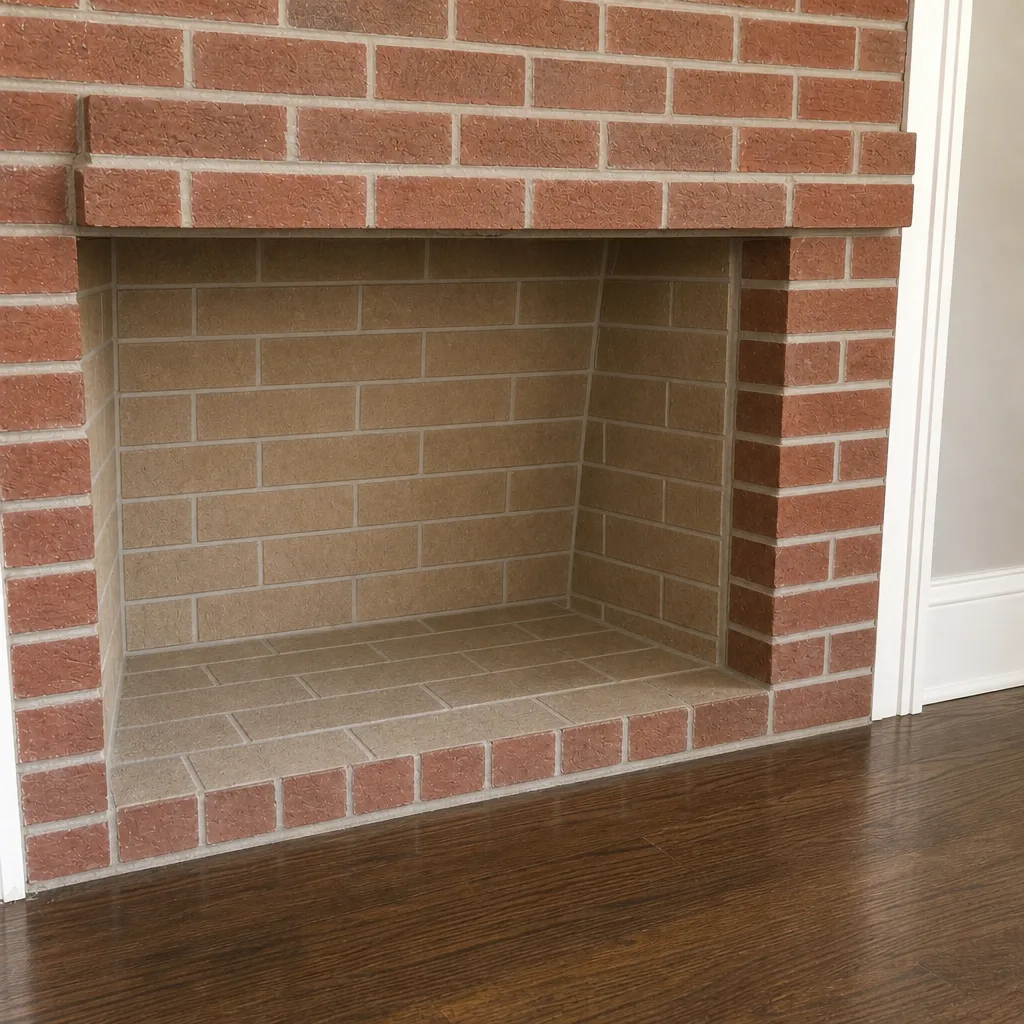 After
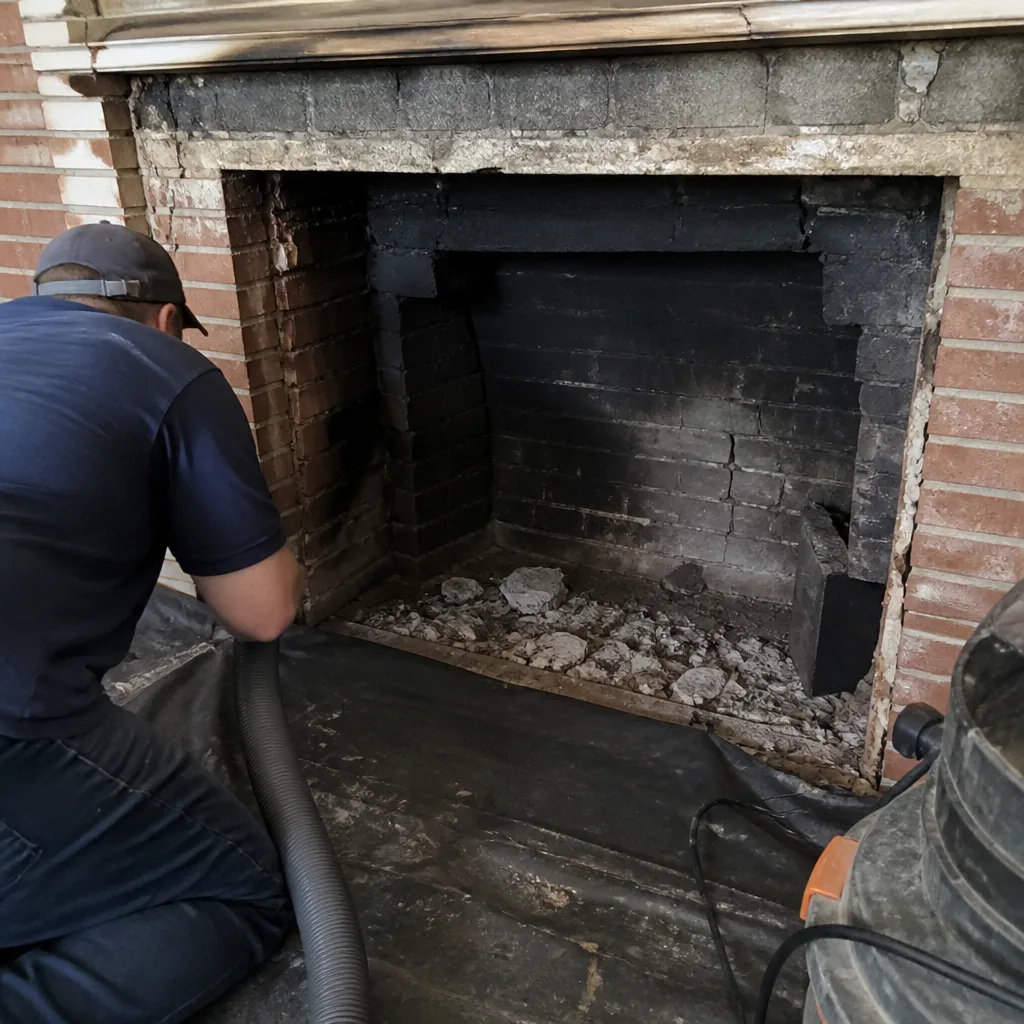 Before
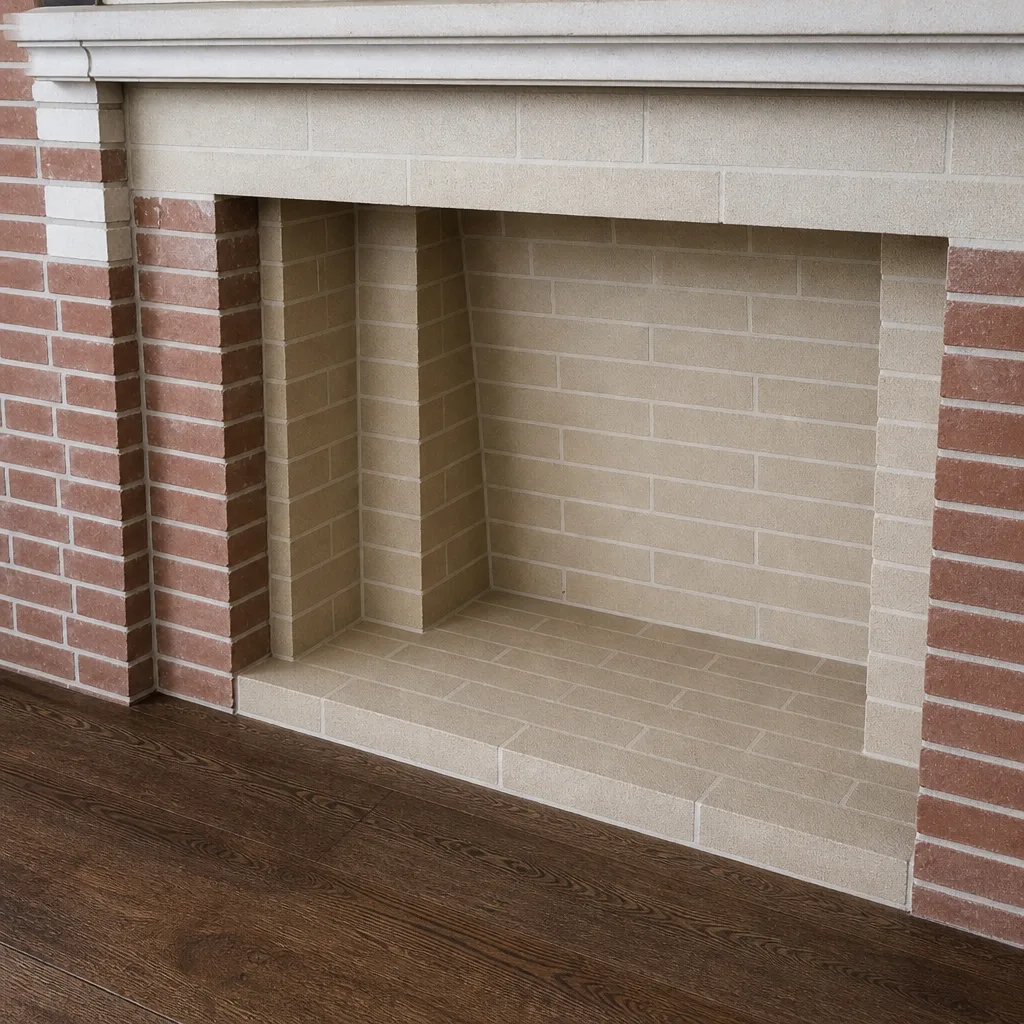 After