
Last updated November 25, 2026
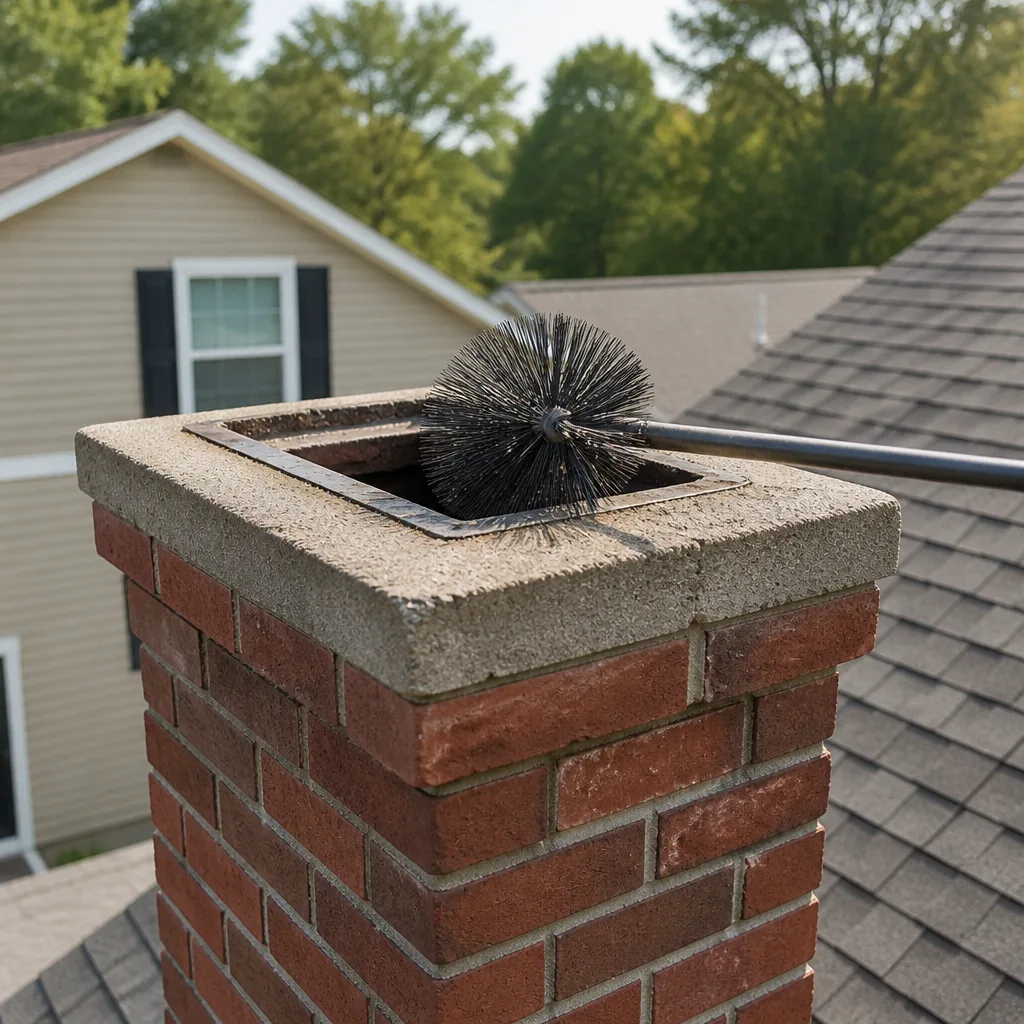 Sweep & inspection
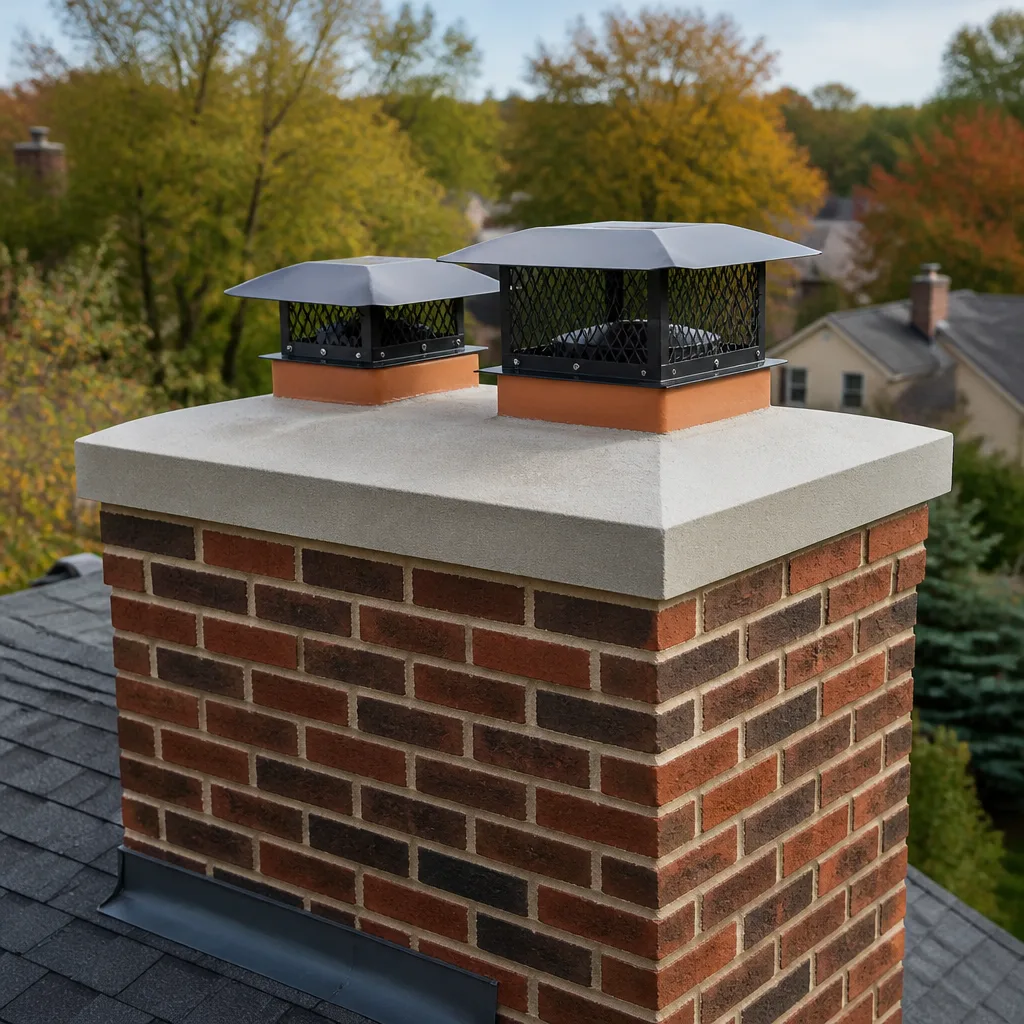 Caps & crowns
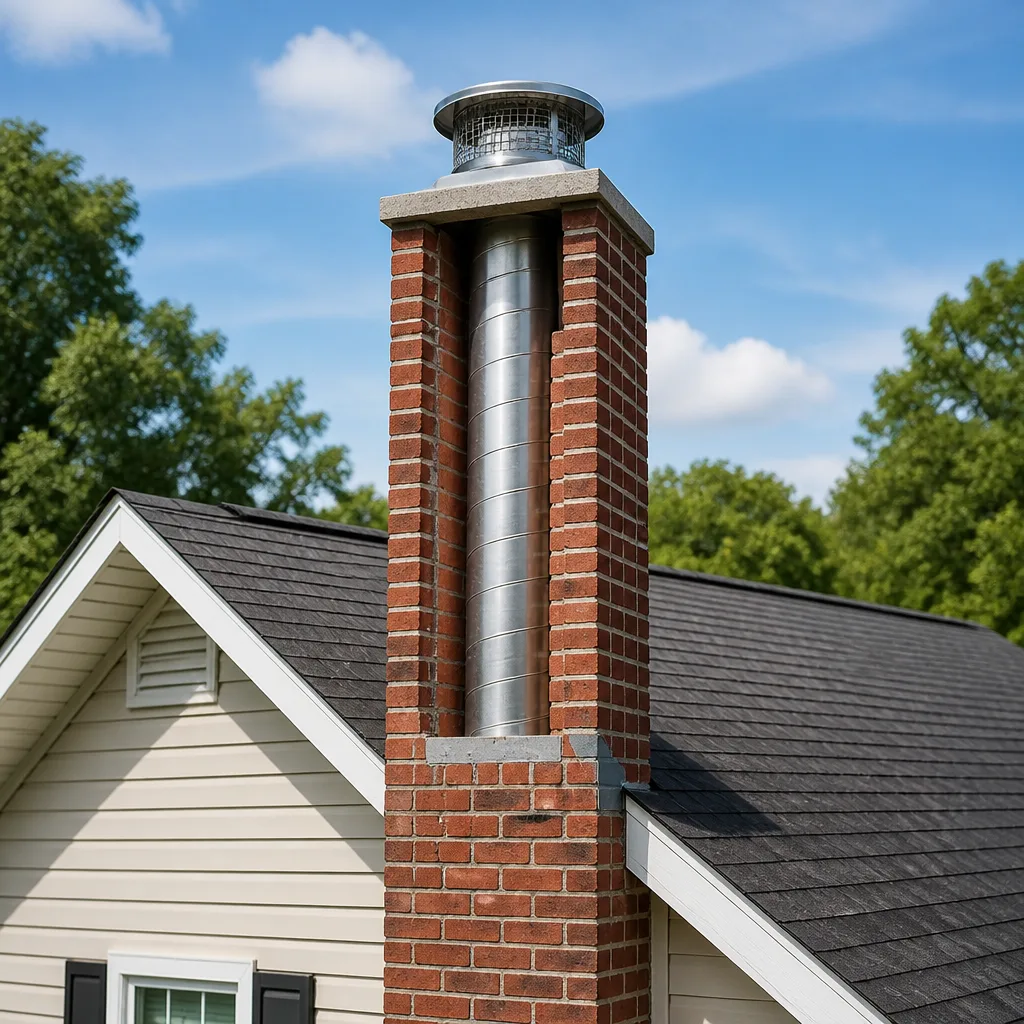 Flue relining
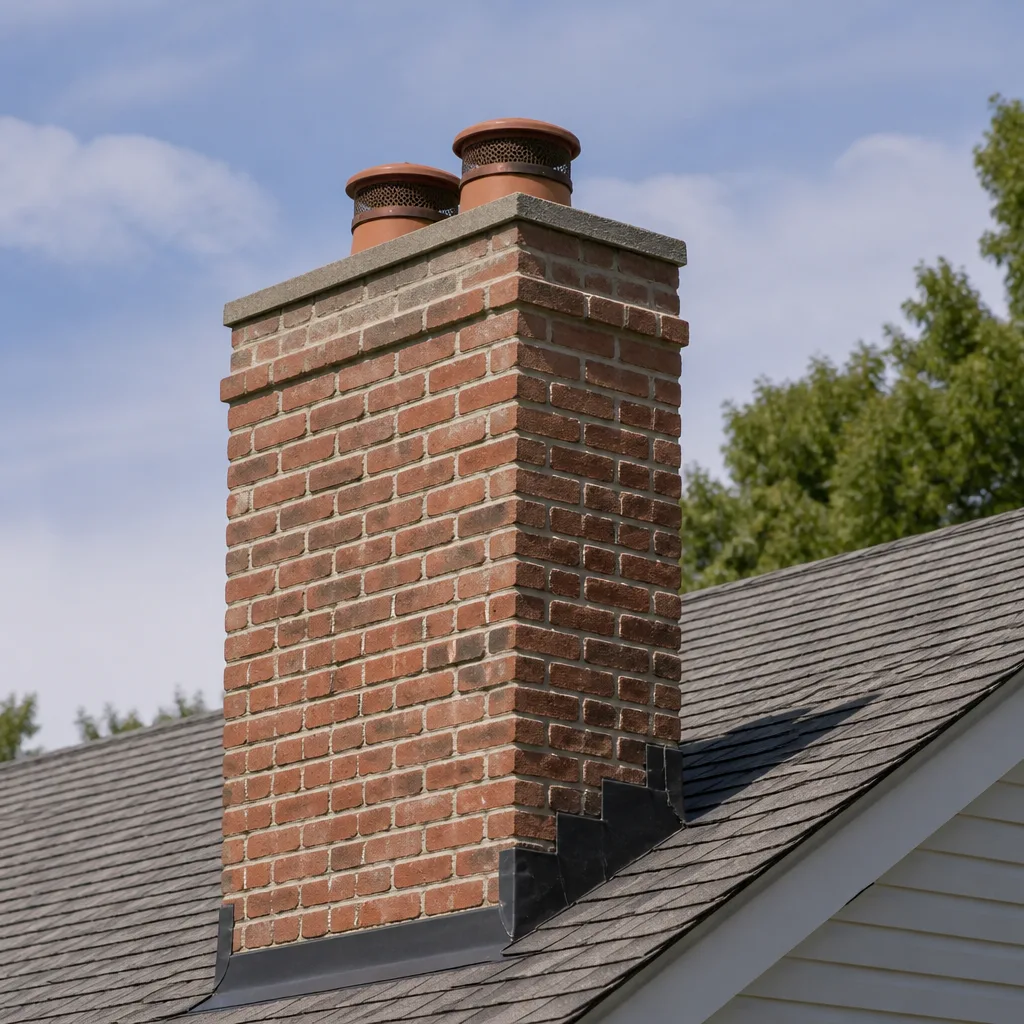 Masonry repair
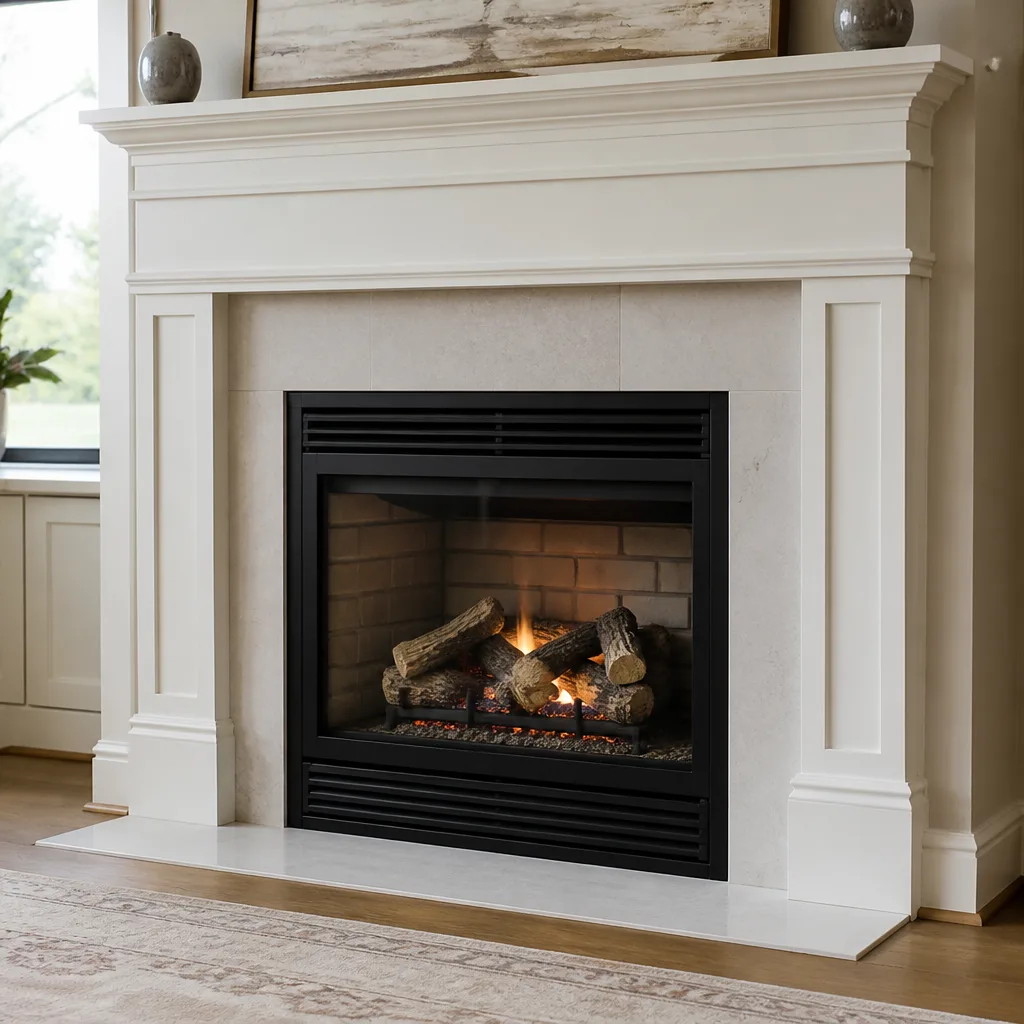 Gas fireplace service
Level 1 sweep and inspection to the NFPA 211 annual standard - flue, crown, cap, and flashing checked and photographed
Chimney sweep logs do not sweep chimneys. They loosen some creosote - which then falls where a brush and vacuum still have to collect it.
How to Hire a Chimney Cleaning Contractor in Salt Lake City: A Step-by-Step Guide
The cheapest chimney sweep quote you’ll find in Salt Lake City may come from a company whose primary business is carpet cleaning. That’s not a hypothetical – search the reviews yourself. HVAC outfits, handymen, and air-duct cleaners all add “chimney sweep” to their service menus because a brush and a shop vac are inexpensive, and homeowners can’t easily see whether the flue was actually cleaned. The credentials that separate a trained chimney specialist from someone with the right tools and no training are specific, documented, and completely verifiable – if you know what to look for. This guide walks through exactly what to check, what to ask, and what should appear in writing before anyone climbs onto your roof in Salt Lake City.
Quick Answer
Hire a chimney contractor in Salt Lake City by verifying three things before you book: current CSIA Certified Chimney Sweep or NFI credentials (checked directly on the certifying body’s website, not just claimed on a website), a written scope of work that names the inspection level and the price before work begins, and a company whose services stay inside the chimney trade rather than treating a sweep as an add-on. Ask what equipment they use, what documentation you’ll receive, and whether they handle cap, crown, and liner repair in-house or subcontract it.
Styles & brands we work with
- Sweep & inspection
- Caps & crowns
- Flue relining
- Masonry repair
- Gas fireplace service
Table of Contents
- Why a Chimney Specialist Is Not the Same as a Contractor Who Sweeps
- What CSIA and NFI Credentials Actually Mean
- How to Verify Credentials Before You Book
- Red Flags in a Chimney Quote
- What to Ask About Equipment and Documentation
- How to Read Reviews for Chimney-Specific Signal
- Materials and Subcontracting: The Repair Question
- Salt Lake City Context: Climate, Housing, and Timing
Why a Chimney Specialist Is Not the Same as a Contractor Who Sweeps
A chimney sweep is a trade, not a task. The difference shows up the moment the job stops being routine. A company that sweeps chimneys as one item on a twenty-item service list usually has the equipment to remove creosote from an easy straight flue and nothing else – no way to inspect a smoke chamber, no materials to repair a cracked crown, no path forward when the sweep reveals a deteriorated liner. The homeowner then discovers they need a second contractor, and the sweep fee buys them nothing but a referral.
A chimney-only specialist does every part of the work: chimney sweep, inspection, cap and crown, structural repair, and fireplace repair. When the inspection turns up a problem, the same company that found it can fix it, and the person recommending the work is the person who documented it.
That difference matters in Salt Lake City because of how the local housing stock is built. Much of the housing along the east bench and in older neighborhoods like the Avenues, Sugar House, and Harvard-Yalecrest was constructed when masonry fireplaces and clay tile liners were standard. Those chimneys are now decades old. A sweep-only provider can clean them; a specialist can also tell you whether the tile liner is spalling, whether the crown is shedding water into the attic, and whether the smoke chamber needs parging before the next burn season.
The practical test is simple: ask what the company does when a sweep reveals a cracked crown. If the answer is “we’ll refer you,” you’ve found a generalist.
What CSIA and NFI Credentials Actually Mean
CSIA stands for the Chimney Safety Institute of America, and its Certified Chimney Sweep credential is the baseline credential in this trade. It requires passing an exam, agreeing to a code of ethics, and renewing on a cycle – meaning a certified sweep has demonstrated knowledge of venting, combustion, and inspection standards, not just the ability to run a brush. NFI stands for the National Fireplace Institute, and its certifications cover hearth appliances and venting at a more technical level. Both are real, both are checkable, and both expire if the holder doesn’t maintain them.
Why this is the baseline and not a bonus: chimney work is work on a combustion system. A technician who doesn’t understand draft, venting, and the difference between a wood-burning and gas appliance installation cannot reliably tell whether your chimney is safe, and cannot recognize the conditions that precede a chimney fire or carbon monoxide problem. Sweeping itself is not complicated. Knowing what you’re looking at while you sweep is.
In our experience, credentials function as a filter. A company that has invested in certification has also invested in proper equipment, continuing education, and the liability coverage that comes with doing the work correctly – because certification is the visible edge of a real commitment, not a badge bought and forgotten.
What credentials do not tell you: whether the individual technician arriving at your house is certified, whether the company carries insurance, and whether the inspection they perform meets the standard you need for an insurance claim or a real-estate transaction. That’s the next step.
How to Verify Credentials Before You Book
Verification takes about ten minutes and saves the potential of paying twice. Follow these steps in order, and don’t skip the ones that feel obvious – the ones that feel obvious are the ones most often faked.
- Look up the company on the CSIA website. The CSIA maintains a searchable directory of certified sweeps. If a company claims certification, it should appear there. If the certification lapsed, it usually won’t.
- Check NFI certification separately. NFI credentials are listed by individual and cover specific appliance categories. Ask which technician holds which certification.
- Request a certificate of insurance. Ask for the certificate showing general liability coverage and, if they’ll be on your roof, workers’ compensation. A legitimate company sends this without hesitation. A generalist often can’t produce it because the roof work isn’t covered.
- Ask who will actually be on site. A company can be certified while sending an uncertified helper. Ask whether the technician supervising the job holds the credential.
- Ask for the written scope of work. It should name the inspection level, describe what will be cleaned, and state the price before anyone arrives. Anything else is not a quote.
If any of these five steps gets a vague answer, treat it as a signal. A specialist answers these questions in a normal phone conversation because they get them every week.
Red Flags in a Chimney Quote
The problems in chimney contracting tend to announce themselves in the quote, before any work happens. Here’s what to watch for.
Flat-rate pricing with no inspection level named
A quote that says “$X for a chimney sweep” without naming an inspection level is incomplete. Chimney inspections are categorized by scope – a basic annual inspection is a different service from a real-estate inspection or a post-fire inspection. If the quote doesn’t say which one you’re getting, you don’t know what you’re buying.
No written scope of work
You should receive, in writing, what will be done, what will be inspected, and what the price covers. A verbal price over the phone is fine for planning, but the written estimate sets the final price. If a company won’t put it in writing, they’re reserving the right to change it after they’re on your roof.
Upsells offered before anyone has looked at the flue
If the person on the phone tells you that you probably need a new liner before any technician has seen your chimney, they’re selling, not diagnosing. A liner recommendation should come with camera footage you can see for yourself. Anything less is a guess.
No mention of camera documentation
The camera is the difference between a professional inspection and a guess. A camera inspection lets the technician see the flue interior and, more importantly, lets you see it too. Post-service documentation – photos of the flue before and after cleaning, photos of any defects – is standard practice for a specialist and rare for a generalist.
Rotary cleaning systems replaced by brush-only claims
Brushes are the right tool for some chimneys and the wrong tool for others. A company that uses only brushes, or that doesn’t mention what it uses, may not be able to deal with glazed creosote or an oversized flue. Ask specifically what equipment they use and what they do with a flue that brush cleaning won’t clear.
What to Ask About Equipment and Documentation
Two questions separate a real inspection from a sweep: what equipment does the company use, and what will you receive in writing afterward?
Equipment: rotary cleaning versus brush-only
Brush cleaning is the traditional method and remains correct for accessible, regularly maintained flues. Rotary cleaning systems use a powered spinning head that contacts the entire flue interior and can remove glazed creosote that a brush skates past. A qualified company uses the method appropriate to the chimney, and can tell you which one they used and why. Ask what they use on heavy creosote and what they do when a flue is too obstructed to clean thoroughly.
Also ask about containment: does the company set up a drop cloth and vacuum system to keep soot out of your living room? That single question tells you a lot about whether they’ve done sweeps in occupied homes or just talked about them.
Documentation: what you should receive
- Photos or video of the flue interior, showing the condition before cleaning
- Photos of the after-cleaning condition, so you can confirm the flue was actually cleaned
- A written inspection report noting any defects found, with severity and location
- An itemized estimate for any recommended repair
That last item is the one to hold onto. “A safe chimney is a documented chimney” is the standard we work to, because documentation is what lets you verify for yourself what a technician is saying. It also becomes relevant if you sell the house, file an insurance claim, or simply want a record for the next maintenance visit.
How to Read Reviews for Chimney-Specific Signal
Most reviews say “great service” and tell you nothing. The reviews that matter for a chimney company are the ones that describe a specific piece of work – and experienced homeowners write those reviews in a recognizable way.
Look for reviews that mention camera inspection footage they were shown or received, that describe the flue condition found, that name a specific repair (a crown replacement, a cap installation, a liner) or that note the technician showed them before-and-after photos. Those are chimney-specific signals. They indicate a company that documents work and lets the homeowner verify it.
The inverse is also useful: reviews that mention a price the customer received in writing before work, or describe how a recommendation was explained, are strong signals. Reviews that focus entirely on speed and friendliness and never mention the work itself may be genuine and still uninformative.
Read the negative reviews with the same filter. A negative review that says “they told me I needed a new liner” is worth reading carefully – it may describe a real disagreement about a real finding, or it may describe an upsell. A negative review that says “they arrived late” tells you about scheduling, not about skill. Weight them differently.
In our experience, the homeowner who needs the most help is the one who’s been burned by a generalist once. They show up in the reviews too, and their language is specific: they describe a company that found something and couldn’t fix it, or a contractor who recommended work and then handed off.
Materials and Subcontracting: The Repair Question
Cleaning a chimney requires a brush. Repairing one requires stock, and the stock question separates a specialist from everyone else.
Professional chimney repair is built on specific systems. HeatShield is a patented resurfacing system for fireboxes and flue liners, formulated for a particular application method. DuraFlex is a flexible liner system used when a flue has deteriorated or is oversized for the appliance. Gelco, Olympia Chimney, Famco, and Copperfield all supply professional-grade components used by certified chimney contractors. When a company carries and installs those products, they’ve made an investment in the repair side of the trade, not just the cleaning side.
That matters in Salt Lake City because of what the housing stock requires. Chimneys in older neighborhoods routinely need cap and crown work, if only because the chimney cap & crown is usually the first component to fail. A company that subcontracts anything past a sweep usually subcontracts the crown too, which means the homeowner pays twice – once for an inspection that found the problem, once for the company that actually fixes it.
The question to ask is direct: “Do you do crown and cap work yourselves, and what materials do you install?” If the answer is a subcontractor, ask who and check that company’s credentials too. A specialist can tell you the products they use and the system they apply, because installing those products is the work they do every week.
Salt Lake City Context: Climate, Housing, and Timing
Salt Lake City’s climate makes chimney maintenance a seasonal priority in a specific way. Winter inversions trap cold air in the valley, and during an inversion wood smoke contributes to the particle load – which means clean burning matters more here than in places where smoke disperses easily. A dirty flue makes a fire burn inefficiently, which increases smoke output and, in the long run, creosote accumulation. In practice, that makes an annual sweep and inspection before the heating season a practical necessity rather than a checklist item, and it puts real weight on getting it done before the first cold snap hits in November.
The winter temperature swing is also part of the picture. The freeze-thaw cycle that plays out across the valley through winter stresses masonry – water seeps into a cracked crown, freezes, expands, and widens the crack. By spring, a small crack that could have been sealed becomes a larger repair. The crown inspection during a fall sweep is an opportunity to catch that before it starts.
Home age matters too. Sugar House, the Avenues, Harvard-Yalecrest, and similar older neighborhoods have plenty of homes with original masonry chimneys and clay tile liners. Those are exactly the installations where camera inspection, liner condition, and crown condition are worth checking carefully, and where the sweep/inspection/repair sequence is most likely to turn up something that needs a specialist to fix.
The timing question homeowners often get wrong: waiting until the first cold snap to book a sweep means competing with everyone else doing the same thing. Booking in late summer or early fall gives more room in the calendar and gets the inspection done before the season the chimney is actually used.
Common Mistakes to Avoid
- Hiring on price alone. The cheapest quote in Salt Lake City may come from a company whose chimney service is a side business. A low price and no inspection level named are often the same quote.
- Skipping the credentials check. A certification claim on a website takes ten seconds to make and ten minutes to verify. Verify on the CSIA and NFI directories directly rather than trusting the badge image.
- Accepting a liner recommendation without camera evidence. Liner replacement is one of the most common recommendations in this trade and one of the most easily sold. Ask to see the footage before agreeing, and ask what happens if the liner is left alone for another season.
- Booking a sweep with no inspection attached. A sweep without an inspection is cleaning blind. You’ll know the flue is clear; you won’t know whether anything is broken.
- Ignoring the crown until it leaks. The crown is the roof of the chimney, and in Salt Lake City’s freeze-thaw cycles it takes the most stress. A crown inspection during a fall sweep is the cheapest way to catch a problem early.
- Assuming the contractor who sweeps can also repair. Ask before booking what the company does if the sweep reveals damage. If the answer is “we refer you,” the work will happen twice.
- Waiting until the first cold week. Booking in late summer or early fall means the inspection gets done before the season and there’s time to handle any repair before the first fire.
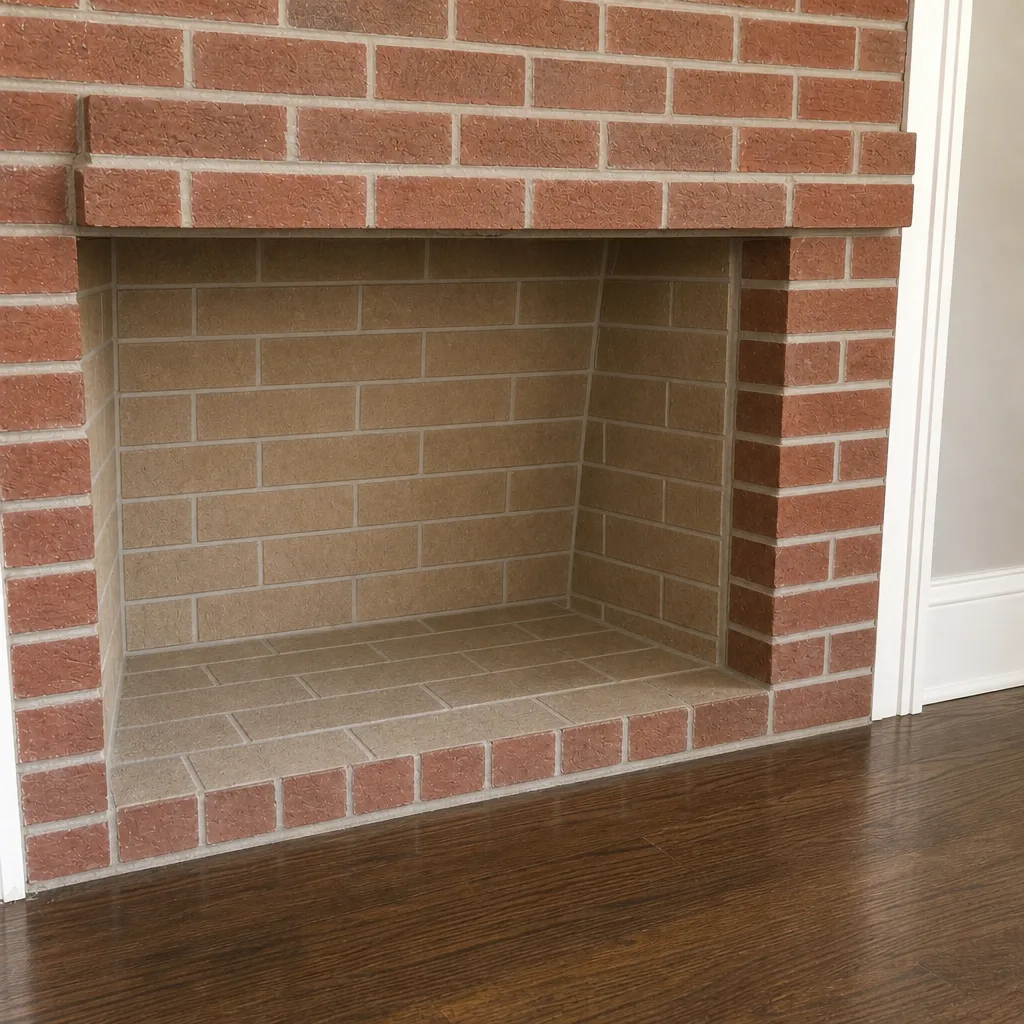
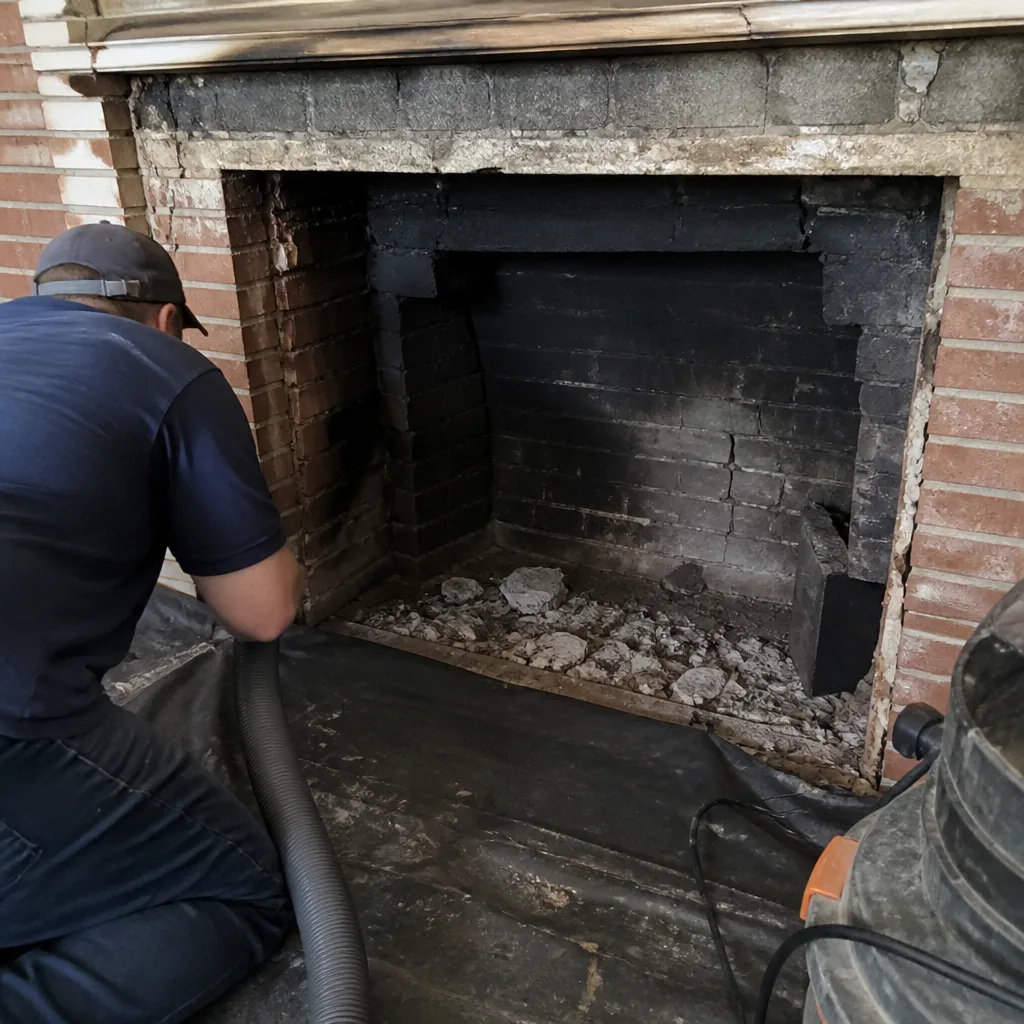
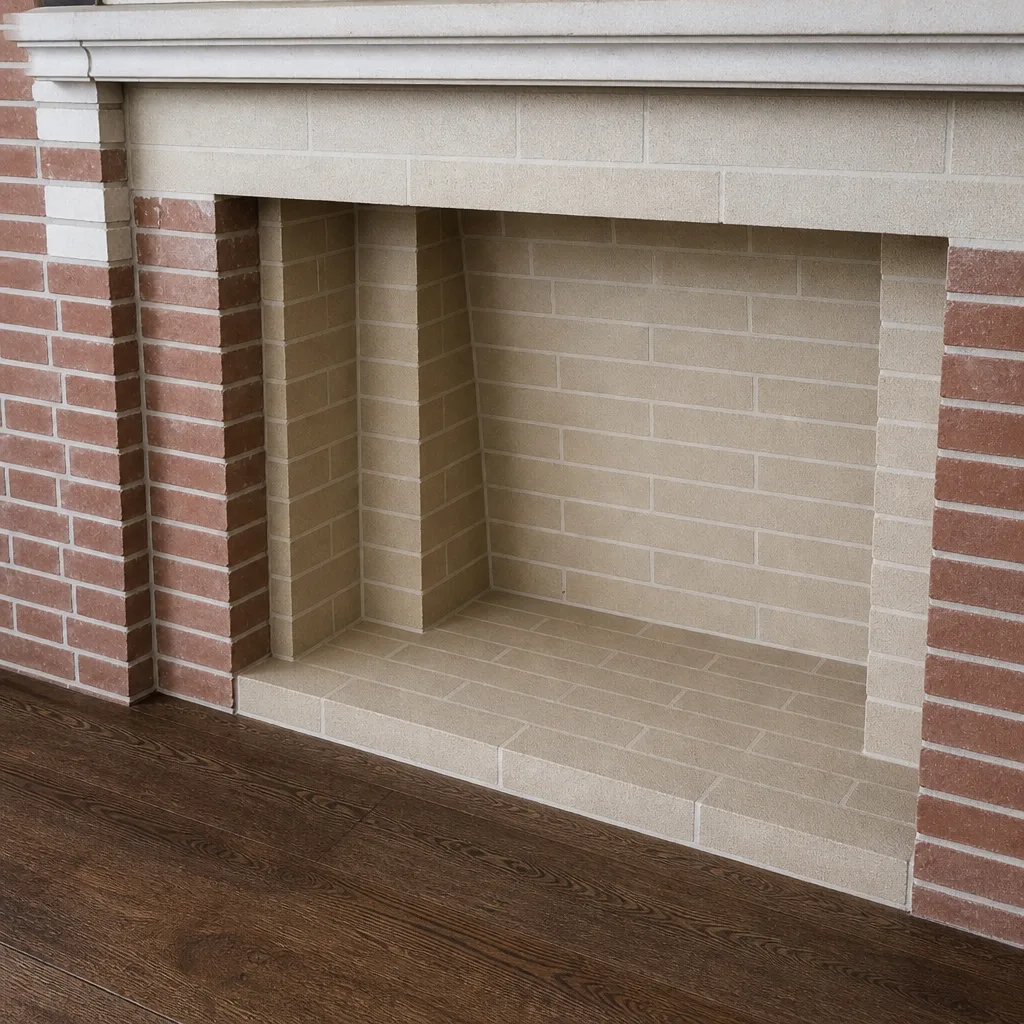
See the difference
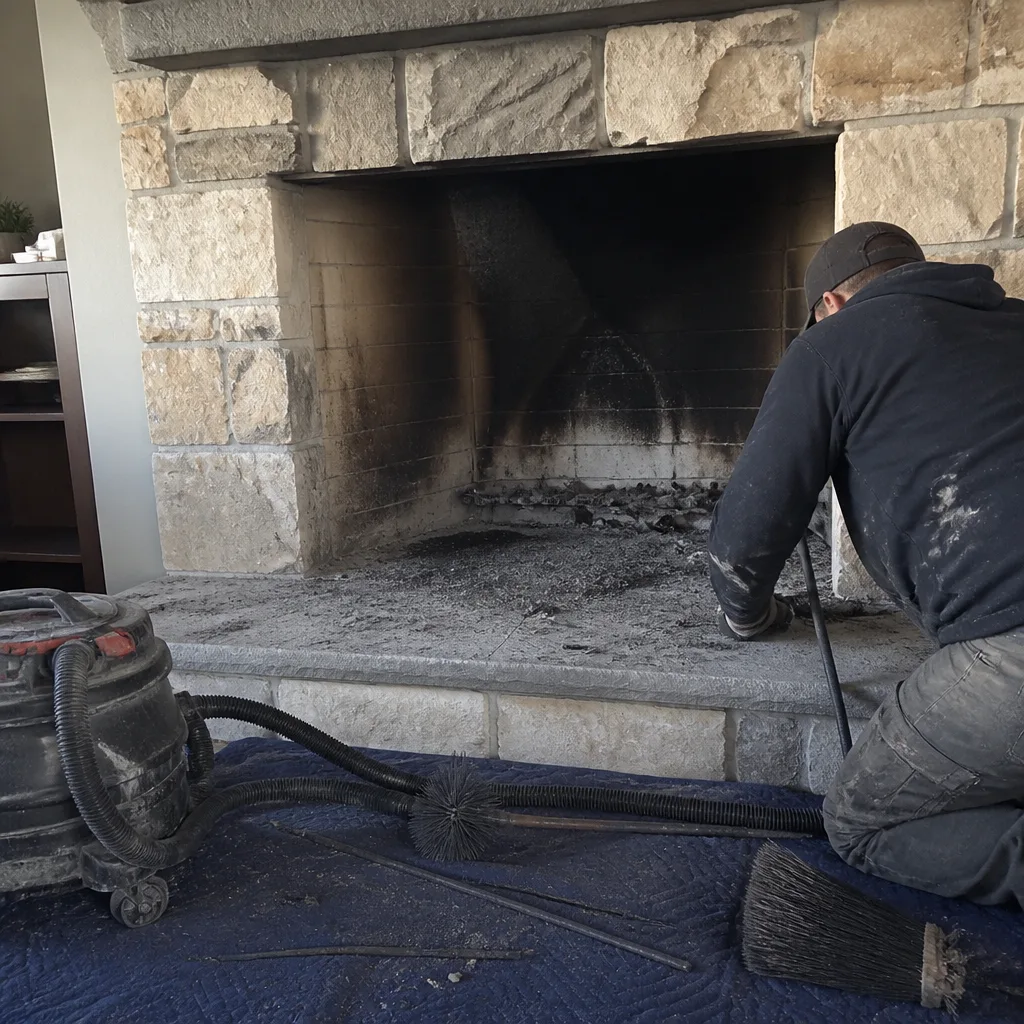 Before
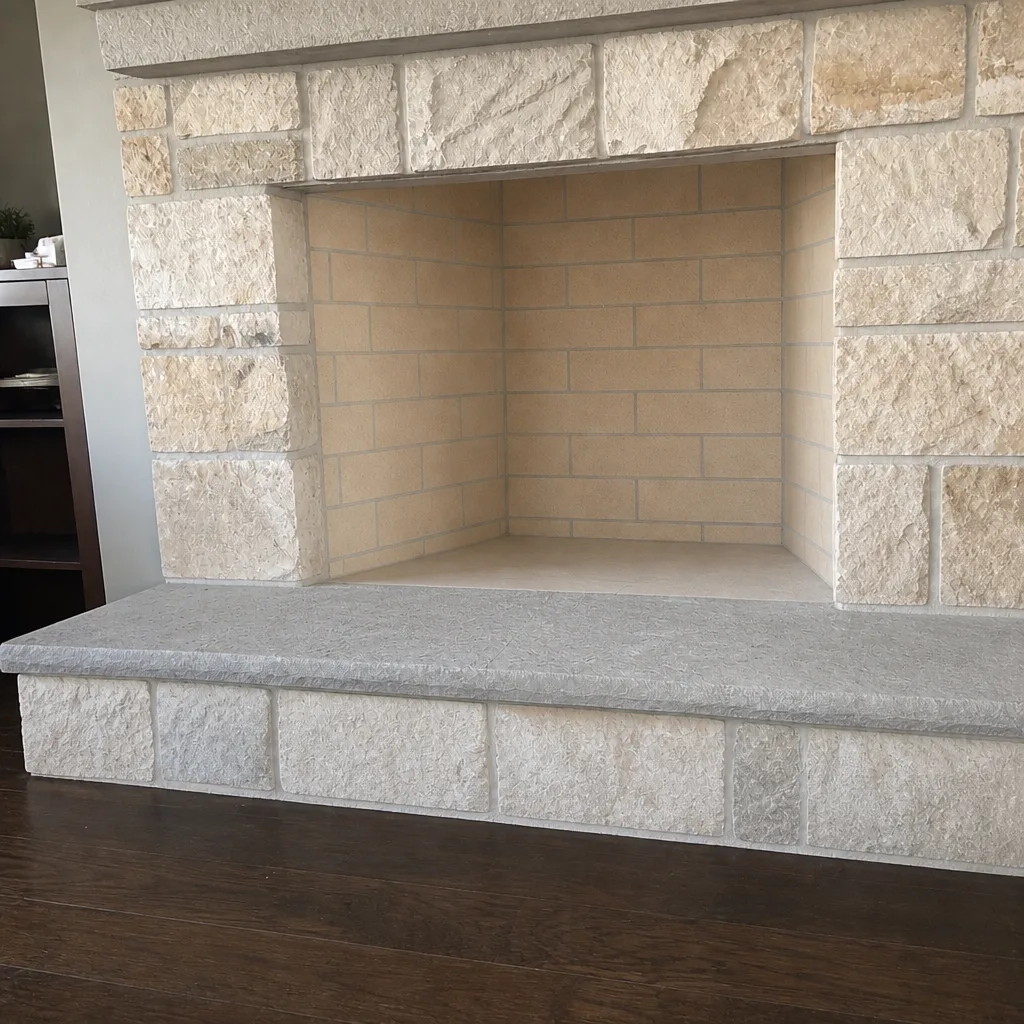 After
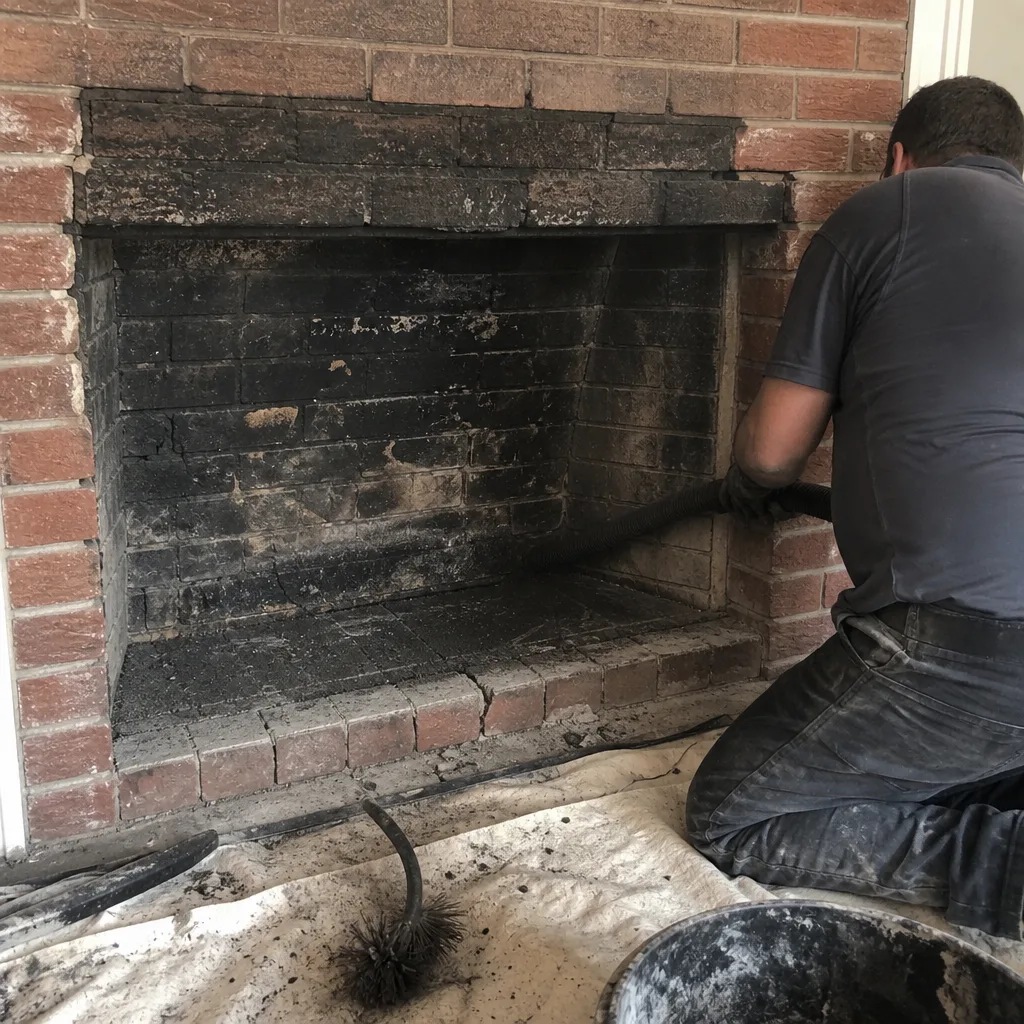 Before
 After
 Before
 After
When to Call a Professional
Some chimney work is not a do-it-yourself project, and neither is some chimney diagnosis. Call a professional when: you haven’t had a sweep or inspection in the last year of active use; you notice smoke coming back into the room rather than up the flue; you smell a strong, tar-like odor when the fireplace isn’t in use; you see cracked or missing mortar on the crown or the chimney stack; you’re buying or selling a home and need a documented inspection for the transaction; or you’ve moved into a home in Salt Lake City and have no maintenance record for the chimney. Never climb onto a roof to inspect a chimney yourself – height and steep-roof work is genuinely dangerous, and a masonry chimney can look sound while failing internally. Salt Lake City Chimney Sweep Pros offers free estimates in Salt Lake City – call (844) 443-4875. We answer 24/7. Fast dispatch from 7am to 7pm, Sunday through Friday.
Frequently Asked Questions
Verify it. The CSIA maintains a searchable directory, and checking takes about ten minutes. Certification can lapse, and a website badge doesn’t necessarily reflect current status. Ask for the certificate of insurance at the same time, since a chimney company working on a roof should be able to produce both.
Once a year for a chimney in active use, generallybefore the heating season, and annually regardless of how much you burn if the chimney is connected to a wood-burning appliance. A gas fireplace vents differently and doesn’t accumulate creosote the way wood does, but the venting and the appliance still warrant an annual inspection. If you burn heavily or burn unseasoned wood, an annual sweep is the minimum. Call (844) 443-4875 to book a sweep and inspection before the season starts.
You should be able to see it yourself. A legitimate recommendation comes with camera footage and photographs you can look at, showing exactly what the technician saw. If the recommendation can’t be shown to you before you agree, ask for the footage. If it still doesn’t appear, get a second opinion – nothing about a chimney repair should require you to take it on faith. Call (844) 443-4875 for an estimate with the evidence attached.
Creosote accumulates in the flue, and the longer it builds the harder it becomes to remove; at a certain stage it glazes onto the flue interior and brush cleaning no longer clears it. At that point the cleaning method has to change, and the risk profile does too, because creosote is what burns in a chimney fire. Skipping the sweep doesn’t cause a problem instantly, but it removes your ability to know what’s happening in the flue. Call (844) 443-4875 to schedule a sweep before the season.
You can, and the price may be lower. What you’re not getting is an inspection backed by certifications, camera documentation, or the ability to repair anything the sweep reveals. A handyman with a brush can clear a flue; a chimney specialist can tell you what condition it’s in and fix it if it isn’t sound. The cost of the generalist often shows up as a second call to someone else. Call (844) 443-4875 for a documented sweep and inspection.
The written estimate should name the inspection level, describe what will be cleaned and inspected, state the price, and name any repair work discovered during the inspection as a separate line item rather than a lump sum. The written estimate sets the final price. A quote that doesn’t name the inspection level is incomplete, and a quote that bundles repairs in before anyone has seen the flue is a red flag. Call (844) 443-4875 for a written estimate.
The Bottom Line
Hiring a chimney contractor in Salt Lake City comes down to verification, not trust. Check CSIA and NFI credentials on the certifying bodies’ directories, ask for a certificate of insurance, and require a written scope of work that names the inspection level and the price before anyone arrives. Ask what equipment the company uses and what documentation you’ll receive afterward – camera footage you can see for yourself is the difference between a professional inspection and a guess. And ask whether the company handles cap, crown, and liner repairs in-house or subcontracts them, because in Salt Lake City’s older neighborhoods, a sweep will eventually turn up a repair, and the company that finds it should be able to fix it.
Salt Lake City Chimney Sweep Pros is a chimney and fireplace specialist, working with professional-grade materials from DuraFlex, HeatShield, Gelco, Olympia Chimney, Famco, and Copperfield, and covering the full service lifecycle – annual sweep, inspection, cap and crown, structural repair, and fireplace restoration. Our technicians have up to 15 years of experience. When you call, you get a written estimate, a documented inspection, and photo evidence of anything we recommend. Call (844) 443-4875 for a free estimate. We answer 24/7. Fast dispatch from 7am to 7pm, Sunday through Friday. Visit Salt Lake City Chimney Sweep Pros to see the full range of chimney services.
Written by the team at Salt Lake City Chimney Sweep Pros.