
Last updated November 25, 2026
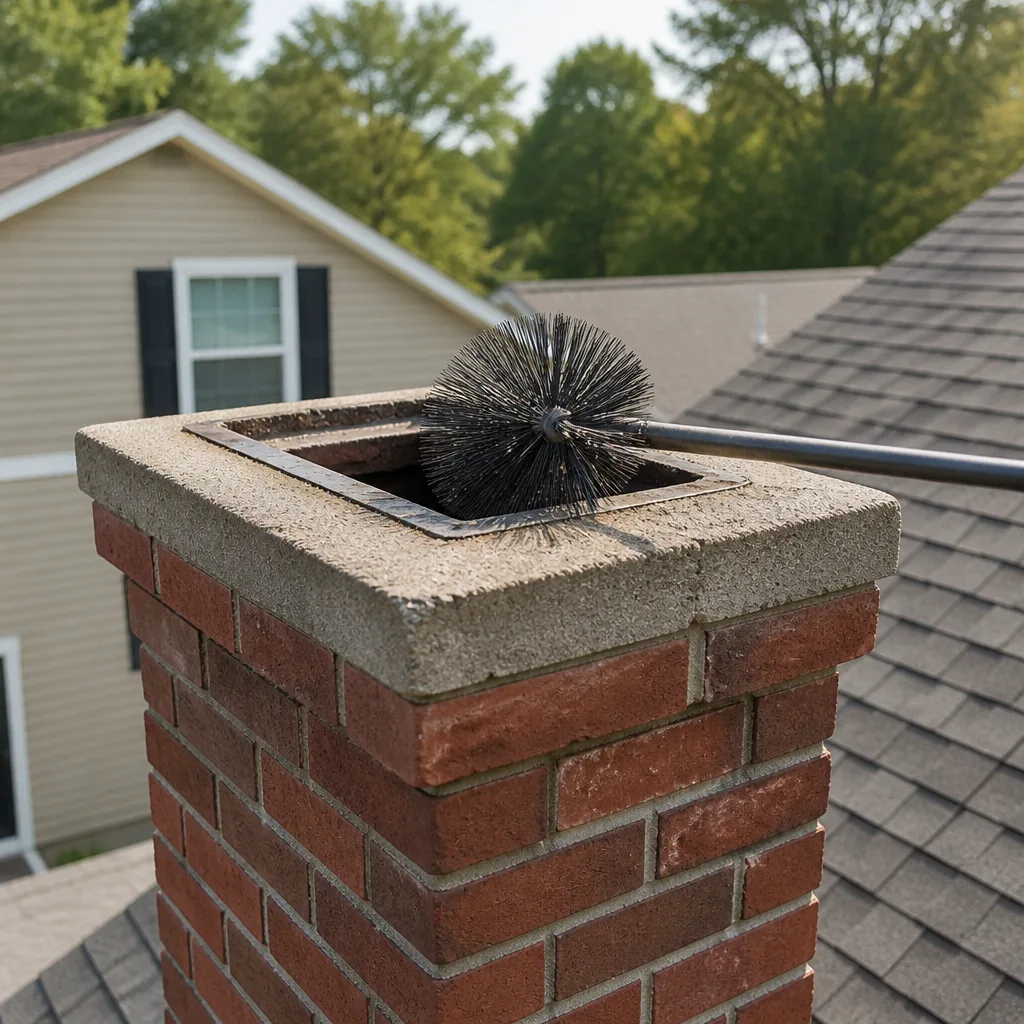 Sweep & inspection
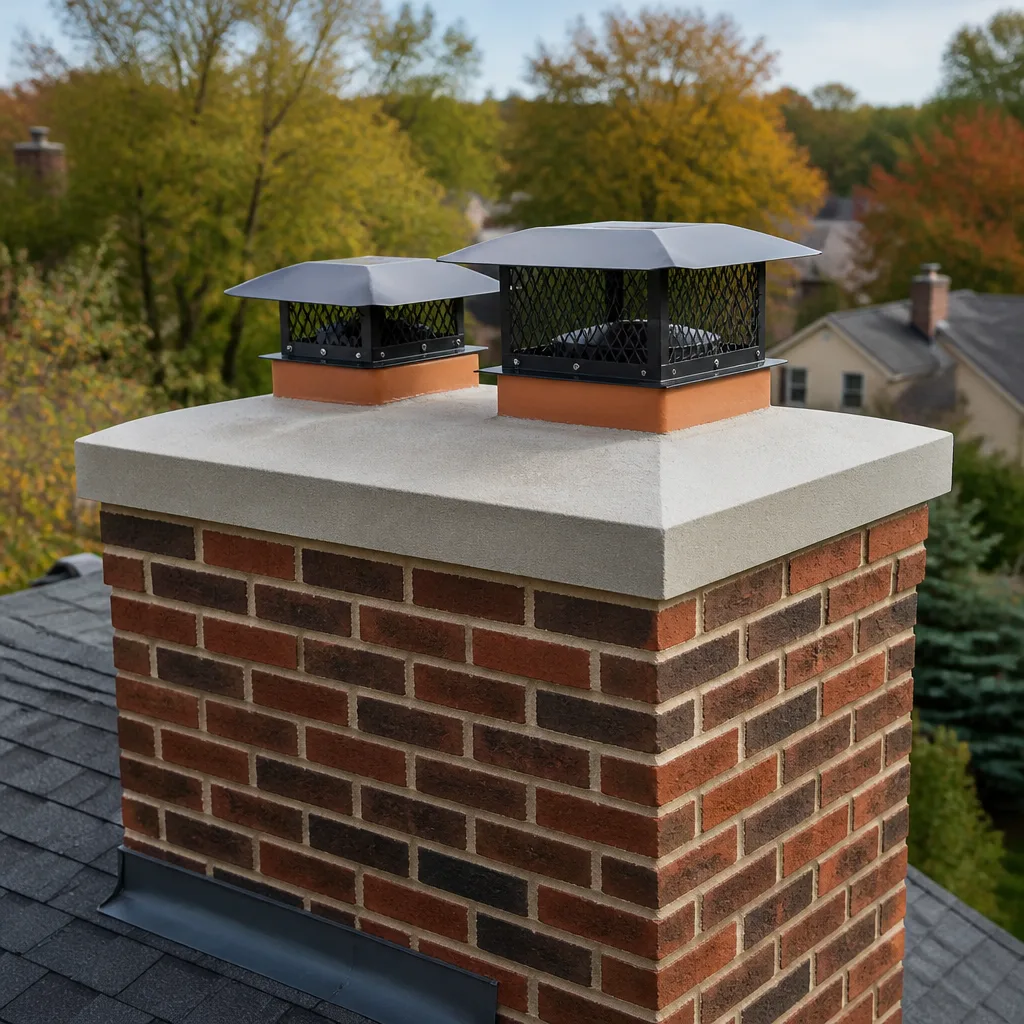 Caps & crowns
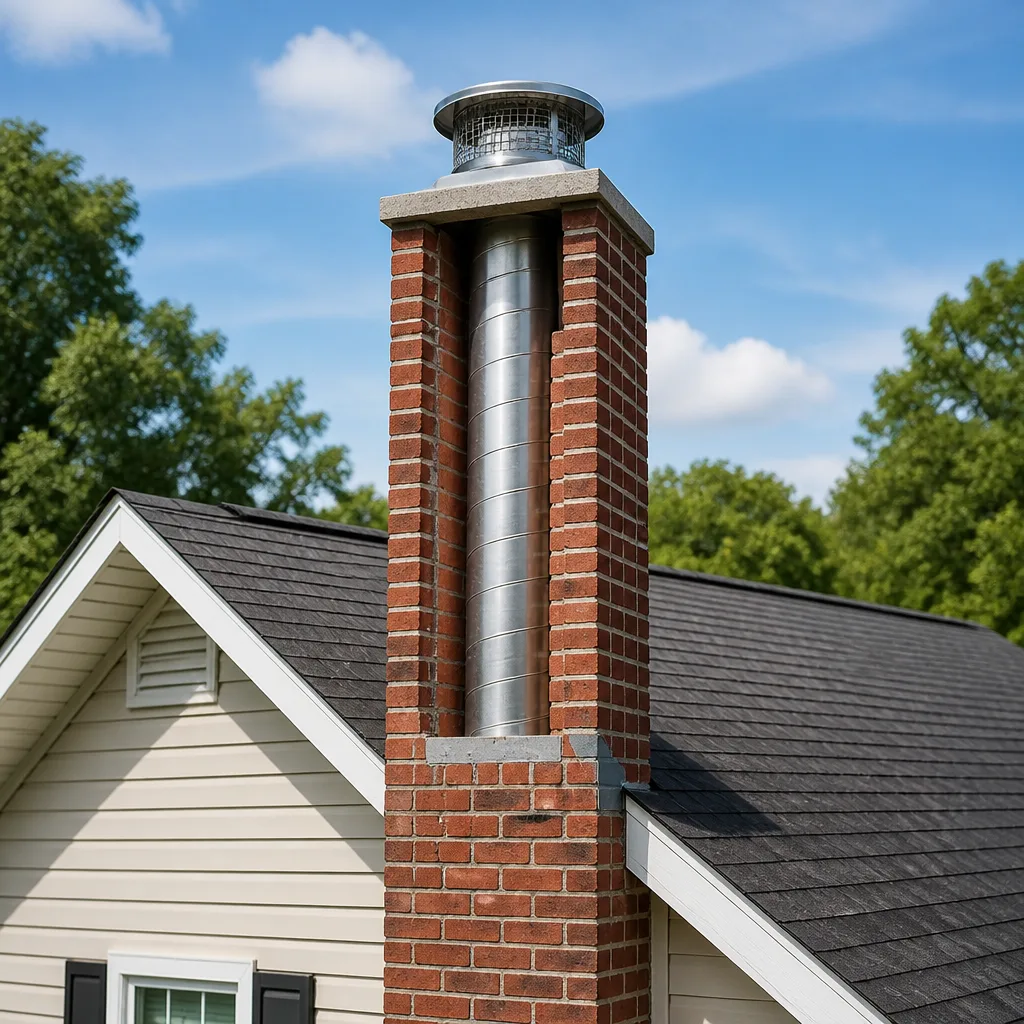 Flue relining
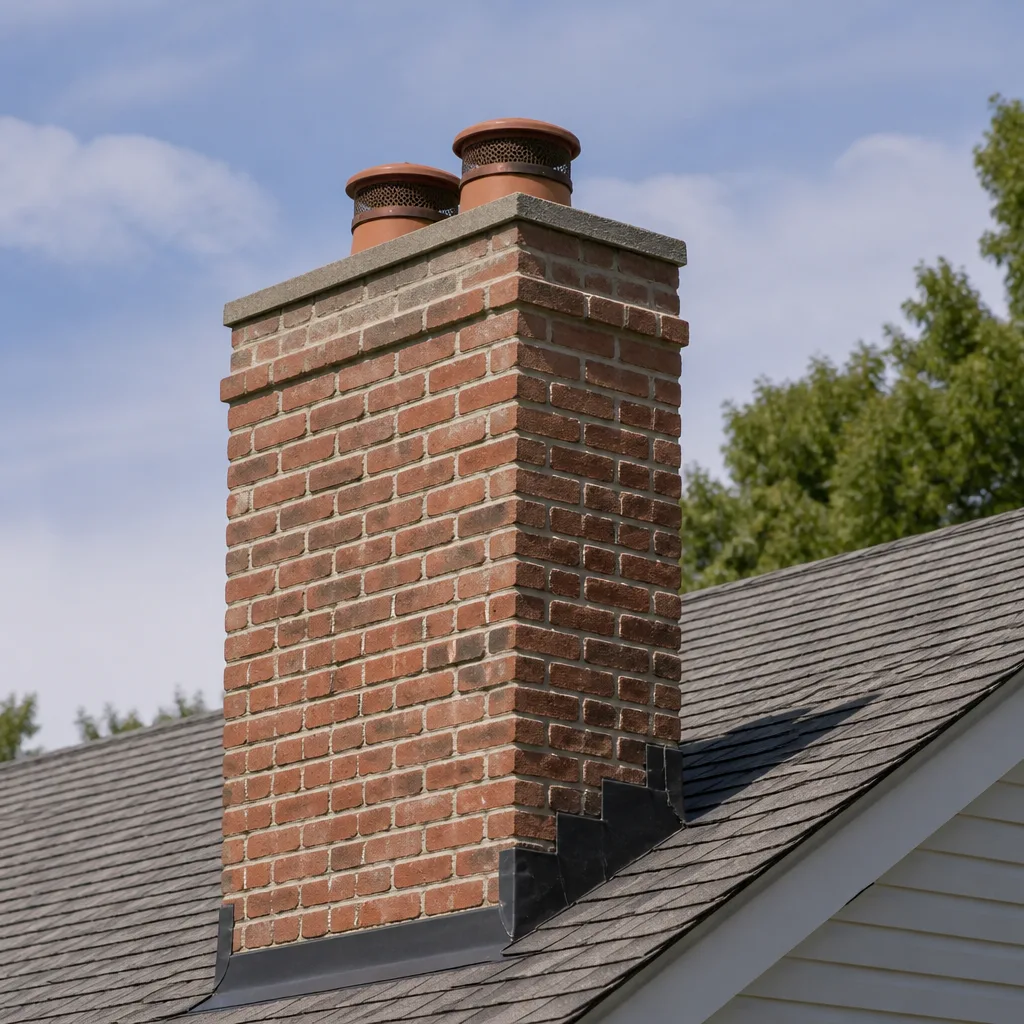 Masonry repair
 Gas fireplace service
Level 1 sweep and inspection to the NFPA 211 annual standard - flue, crown, cap, and flashing checked and photographed
Chimney sweep logs do not sweep chimneys. They loosen some creosote - which then falls where a brush and vacuum still have to collect it.
Chimney Cleaning Emergency Preparedness Guide for Salt Lake City Homes
A chimney fire does not look like a campfire in your flue. Most of the time it sounds like a freight train running through the roof, or a low roar you can feel more than hear, and if that’s the first moment you’re thinking about what to do, you’re already behind. The same goes for a carbon monoxide event and a sudden blockage: the right response in the first few minutes depends on which of the three you’re facing, and the preparation that helps is different for each one. This guide covers all three for Salt Lake City homes, from how to recognize what’s happening to what your insurer will ask for afterward.
Quick Answer
A chimney emergency in Salt Lake City is almost always one of three things: a chimney fire, a carbon monoxide event, or a sudden blockage. Chimney fires call for evacuating the house and calling 911 even if the fire appears to go out; CO events call for getting everyone into fresh air and calling the fire department; blockages call for stopping use of the appliance and getting a documented inspection before lighting another fire. Every one of these is far less dangerous when the chimney has a current inspection record and a recent sweep.
Styles & brands we work with
- Sweep & inspection
- Caps & crowns
- Flue relining
- Masonry repair
- Gas fireplace service
Table of Contents
- The Three Chimney Emergencies Salt Lake City Homeowners Actually Face
- How to Recognize a Chimney Fire in Progress
- The First 90 Seconds: A Step-by-Step Sequence
- Carbon Monoxide Risk in Chimney Systems
- Sudden Blockage: Animals, Collapse, and Debris Fall
- What to Have Ready When You Call
- After a Chimney Fire: Why a Level 2 Inspection Is Not Optional
- Seasonal Preparedness for Salt Lake City Homes
The Three Chimney Emergencies Salt Lake City Homeowners Actually Face
Most chimney safety advice lumps everything into one bucket. That’s a mistake, because a chimney fire, a carbon monoxide event, and a blockage each demand a different first move. Treating them the same way wastes the minutes that matter.
A chimney fire is combustion inside the flue itself. It’s usually fed by creosote, the tar-like residue that builds up on the liner walls when wood burns inefficiently. Salt Lake City’s long heating season, with fires burning from October well into March, gives creosote plenty of time to accumulate between cleanings. When it ignites, you have fire in a confined vertical space, and the flue is not designed to contain an uncontrolled burn.
A carbon monoxide event is invisible. CO is a byproduct of incomplete combustion, and a chimney that vents properly carries it outside. When venting fails, through a blocked flue, a cracked liner, or backdraft, CO comes back into the living space instead. You cannot see it, smell it, or taste it.
A blockage is the third category. An animal nest, a collapsed section of clay liner, or a load of debris falling from the flue can choke off the chimney. The result is smoke in the room at minimum and a CO hazard at worst.
Here’s the practical split:
- Chimney fire: evacuate, call 911, do not re-light until a Level 2 inspection clears the flue.
- CO event: get everyone into fresh air, call 911, and do not re-enter until the fire department says it’s safe.
- Blockage: stop using the appliance immediately, then call a chimney sweep for a documented inspection before the next fire.
The preparation most Salt Lake City homeowners skip is the least dramatic step: knowing which of the three you’re dealing with. That knowledge comes from a current inspection record.
How to Recognize a Chimney Fire in Progress
A chimney fire doesn’t always announce itself with flames shooting from the top. In many cases the signs are subtle enough that people assume the fire in the firebox is just burning hot. Learning what to listen for and look for is the single most useful piece of chimney emergency preparation you can do.
Listen for these:
- A roaring or rumbling sound, often described as a freight train, coming from the chimney itself.
- Popping or cracking noises that continue even after you’ve stopped adding wood.
- A low vibration you can feel in the wall or chimney chase.
Watch for these:
- Dense smoke or sparks coming from the top of the chimney.
- A sudden, dramatic increase in draft, or the opposite, a stove that suddenly stops pulling.
- Flames or glowing visible at the chimney cap or crown.
- Discolored or warped metal on a prefab chimney, or cracked masonry near the flue.
Smell for these:
- A hot, acrid, metallic odor that’s different from normal wood smoke.
- A burning-plastic or burning-paint smell, which can indicate heat reaching materials outside the flue.
One misconception common in Salt Lake City homes: if the fire in the firebox looks normal, the chimney must be fine. That’s not true. A flue fire can burn hot while the firebox shows nothing unusual. The chimney itself is where you look.
If you notice any of these signs, treat it as a real chimney fire until a professional tells you otherwise. The Salt Lake City Chimney Sweep Pros inspect for fire damage in the flue, at the cap, and at the crown, and document what they find.
The First 90 Seconds: A Step-by-Step Sequence
The first minute and a half after you realize a chimney fire is in progress is the most important window in the whole event. The steps below are ordered for a reason: safety of people first, then the call, then containment.
- Get everyone out of the house. No exceptions, no going back for pets or belongings. A chimney fire can spread to the roof structure faster than you’d expect.
- Call 911. Tell the dispatcher it’s a chimney fire and give your address. Fire crews in Salt Lake City know how to handle these; they don’t need you to fight it first.
- Close the firebox doors or the stove damper, if you can do it safely on the way out. This starves the fire of oxygen. Skip this step if it means staying inside longer than a few seconds.
- Once outside, stay outside. Watch for smoke or sparks from the top of the chimney, but don’t go back in to check the firebox.
- If the fire appears to go out on its own, still call. A chimney fire that “went out” can smolder in the creosote or the structure for hours.
What you should not do: throw water into a hot flue, spray a fire extinguisher up the chimney, or try to climb onto the roof. Each of these carries real risk and doesn’t help the situation. A water-doused hot flue can crack, and a hot chimney is not a place to stand.
If the fire is in a gas appliance rather than a wood-burning one, the same sequence applies: get out, call 911, stay out. Do not attempt to shut off a gas line inside a house that’s already evacuated.
Carbon Monoxide Risk in Chimney Systems
Carbon monoxide is the emergency that doesn’t announce itself. Where a chimney fire has sound, smoke, and heat, CO has none. Understanding where CO comes from and where to place detectors is the preparation that makes the difference.
CO in a chimney system arises in two distinct ways.
Combustion appliance CO comes from the appliance itself. A wood stove, fireplace insert, or gas appliance produces CO as part of normal combustion. When the flue vents correctly, that CO goes outside. When the flue is blocked, cracked, or undersized, it comes back in.
Backdraft CO is different. This happens when the chimney fails to draft in the right direction, and air from the house is pulled down the flue instead of up. The appliance’s exhaust, including CO, is pushed into the room. Backdraft is common in Salt Lake City homes when:
- Another exhaust fan in the house (bathroom, kitchen range hood) pulls harder than the chimney drafts.
- The chimney is on the cold side of the building and never warms up enough to reverse the draft.
- The barometric pressure is low, which happens frequently during Salt Lake City’s winter inversions.
- The chimney is too short, or a nearby roofline creates a downdraft.
Detector placement matters as much as having detectors. A CO detector placed across the house from the fireplace may never sense a backdraft that’s pooling near the firebox. Install at least one CO detector:
- In the room with the fireplace or wood stove, several feet from the appliance, mounted at roughly breathing height.
- In the hallway outside the bedrooms.
- On every level of the home, including the basement.
What to do if a CO alarm sounds: get everyone into fresh air immediately, don’t stop to open windows or investigate, call 911 from outside, and don’t re-enter until the fire department says it’s safe. Then call a chimney professional to find out why. A CO alarm that goes off once and doesn’t repeat is not a false alarm until a sweep has inspected the flue and confirmed it.
Sudden Blockage: Animals, Collapse, and Debris Fall
The third chimney emergency is the least dramatic and the most common. A blockage cuts off the draft, and the first thing a homeowner notices is usually smoke rolling into the room instead of going up the chimney.
What causes a sudden blockage in Salt Lake City chimneys:
- Animal intrusion. Birds, squirrels, and raccoons are the most frequent culprits. A nest built at the top of the flue chokes the draft and, if left, becomes fuel for a chimney fire later. An open chimney without a cap is the usual invitation.
- Liner collapse. Clay tile liners age, crack, and can shed pieces into the flue. A chunk of tile falling loose is a genuine blockage.
- Debris fall. Leaves, twigs, and broken masonry can drop into the flue from the roof, especially after a windstorm.
- Creosote flake-off. A heavy creosote layer that has dried and begun to shed can plug the flue.
What to do:
- Stop using the appliance immediately. Open a window in the room to clear smoke, and let the appliance cool.
- Don’t try to clear the blockage yourself. Running a pole or a broom up the flue from the firebox is how people send a load of debris onto their own heads, or dislodge a cracked liner tile that was still partly in place.
- Document what you see. Take photos of the smoke, the firebox, and the top of the chimney from the ground. Note the date and time. This is the kind of evidence you’ll want when talking to your insurer if there’s been any damage.
- Call a sweep. A chimney sweep can clear the blockage and inspect for what caused it and what damage it left.
If you have an open chimney with no cap, a chimney cap & crown installation is the permanent fix for the animal-intrusion problem. A cap lets smoke out and keeps animals and debris from coming in.
What to Have Ready When You Call
When you’re on the phone with 911 or with a chimney professional during an emergency, the details you can give in the first thirty seconds shape the response. Have these ready, or at least have your best answer for each.
For a chimney fire call:
- Appliance type. Wood-burning fireplace, wood stove, insert, gas log set, or pellet stove. The response differs.
- Liner material. Clay tile, stainless steel, cast-in-place. This matters because a clay liner and a stainless liner react differently to a flue fire. If you don’t know, say so; a professional will check.
- Last service date. When the chimney was last swept and inspected. If it’s been more than a year, that’s important information for the dispatcher and for the responding sweep.
- What you’re seeing. Smoke from the top, sparks, roaring sound, heat on the chimney wall, any of the signs above.
- Address and cross street. Especially in Salt Lake City neighborhoods where addresses can be harder to find.
Keep a simple card taped inside a kitchen cabinet with this information for your home. It saves you from trying to remember the liner material while adrenaline is running.
For a blockage call, add: what you saw (smoke in the room, appliance that wouldn’t pull, animal noise at the top of the chimney) and whether you’ve used the appliance since the symptom appeared.
After a Chimney Fire: Why a Level 2 Inspection Is Not Optional
A chimney fire that’s out is not a chimney fire that’s over. The visible fire can be extinguished while damage continues in the flue, in the chimney structure, and in the surrounding framing. That’s why a Level 2 inspection after any chimney fire is not a recommendation. It’s the step that determines whether the chimney is safe to use again, and it’s the step your insurer will ask about.
A Level 2 inspection is more thorough than the visual inspection done during a routine sweep. It covers:
- The entire flue, top to bottom, viewed by camera where a visual can’t reach.
- The firebox, damper, smoke chamber, and chimney crown.
- The chimney’s exterior and the adjacent framing where accessible.
- For a chimney fire specifically, evidence of damage to the liner, the firebox, and the surrounding structure.
Why this matters for insurance:
- Most homeowner policies ask for documentation of the cause and extent of any fire-related claim. A written inspection report, with photos and the inspector’s findings, is what carriers rely on.
- The report also establishes a baseline for future claims. If your chimney has a documented condition before a fire, the conversation with your insurer after is clearer.
- If the inspection reveals that the liner needs replacement, the report will say so and will describe the type of replacement: typically a DuraFlex flexible liner for a deteriorated or oversized flue, or a HeatShield resurfacing for a firebox that needs a new surface but not a new liner.
Keep the inspection report. If a chimney fire happens, that document is worth more than the same information remembered.
Seasonal Preparedness for Salt Lake City Homes
The most useful chimney emergency preparation happens before the emergency, not during it. In Salt Lake City, the prep calendar is shaped by the long heating season and the valley’s winter air quality.
Here’s the seasonal sequence we recommend to Salt Lake City homeowners:
- Late summer or early fall. Have the chimney swept and inspected. This catches creosote buildup, blockages, and cracked liners before the first fire of the season.
- Before the first burn. Test every CO detector in the house. Confirm the chimney cap is in place and intact. Confirm the damper opens and closes freely.
- Mid-season. If the chimney is heavily used through the winter, a second look partway through the season catches what one annual sweep might miss. A wood stove that burns a lot of fires can build creosote faster than a decorative fireplace.
- Spring. After the last fire, a quick check catches anything that developed over the winter: a crown that’s cracked through freeze-thaw cycles, a cap that took damage, a liner that showed new cracks.
Salt Lake City’s winter inversions are their own complication. When the air is cold and still, and the atmospheric pressure is low, chimney draft can be weaker than usual. A fire that burned fine in November might backdraft in January. If you notice smoke rolling back into the room on a still, cold day, that’s a sign the chimney needs attention.
The other Salt Lake City-specific preparedness step: keep the area around the fireplace clear of combustible material, and keep a chimney fire card (with the details from the “What to Have Ready” section) somewhere accessible. These cost nothing and save minutes.
Common Mistakes to Avoid
- Treating a chimney fire as over once it looks out. Creosote can smolder inside a flue for hours after the visible signs stop. Get the chimney inspected before you use it again, no exceptions.
- Assuming a working fireplace means a clean chimney. A fire that burns normally can coexist with a heavily creosote-loaded flue or a cracked liner. The flue is where the evidence lives, and only an inspection reads it.
- Skipping the CO detector near the fireplace. Detectors in bedrooms and hallways are good. A detector in the room with the firebox is what catches a backdraft before the CO reaches the rest of the house.
- Running a rod or a pole up the flue from the firebox to clear a blockage. This is the most common self-repair mistake we hear about in Salt Lake City, and it’s how people end up with debris on top of them or a cracked liner.
- Burning unseasoned wood in a valley that already has winter air quality issues. Wet wood produces more creosote and more smoke. Both are hard on the flue and hard on the valley’s air.
- Not keeping a copy of the last inspection. When the emergency happens, the last service record is one of the first questions asked. A record in a drawer or on your phone changes the conversation.
- Leaving a chimney uncapped. Open chimneys are the standard route for animal intrusion and debris fall. A chimney cap & crown is a small install with a large effect on what can get into your flue.
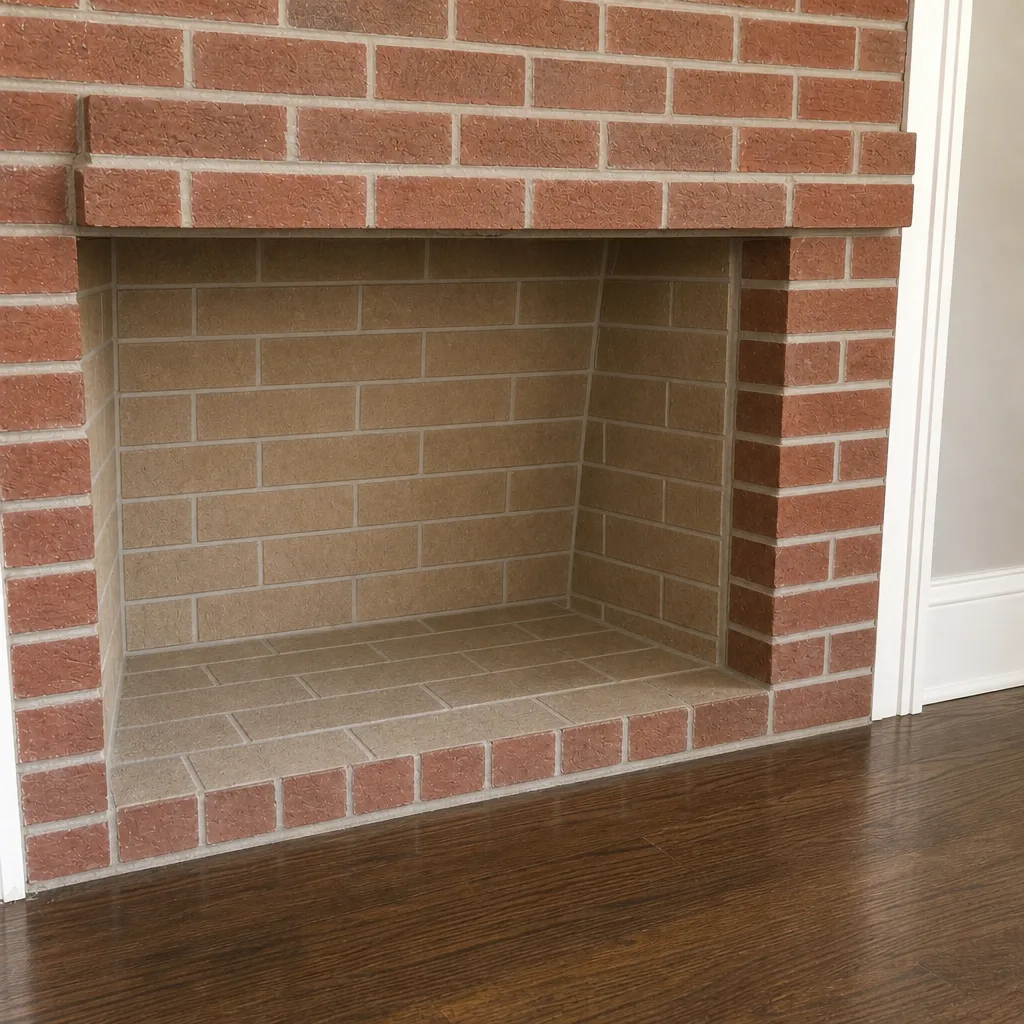
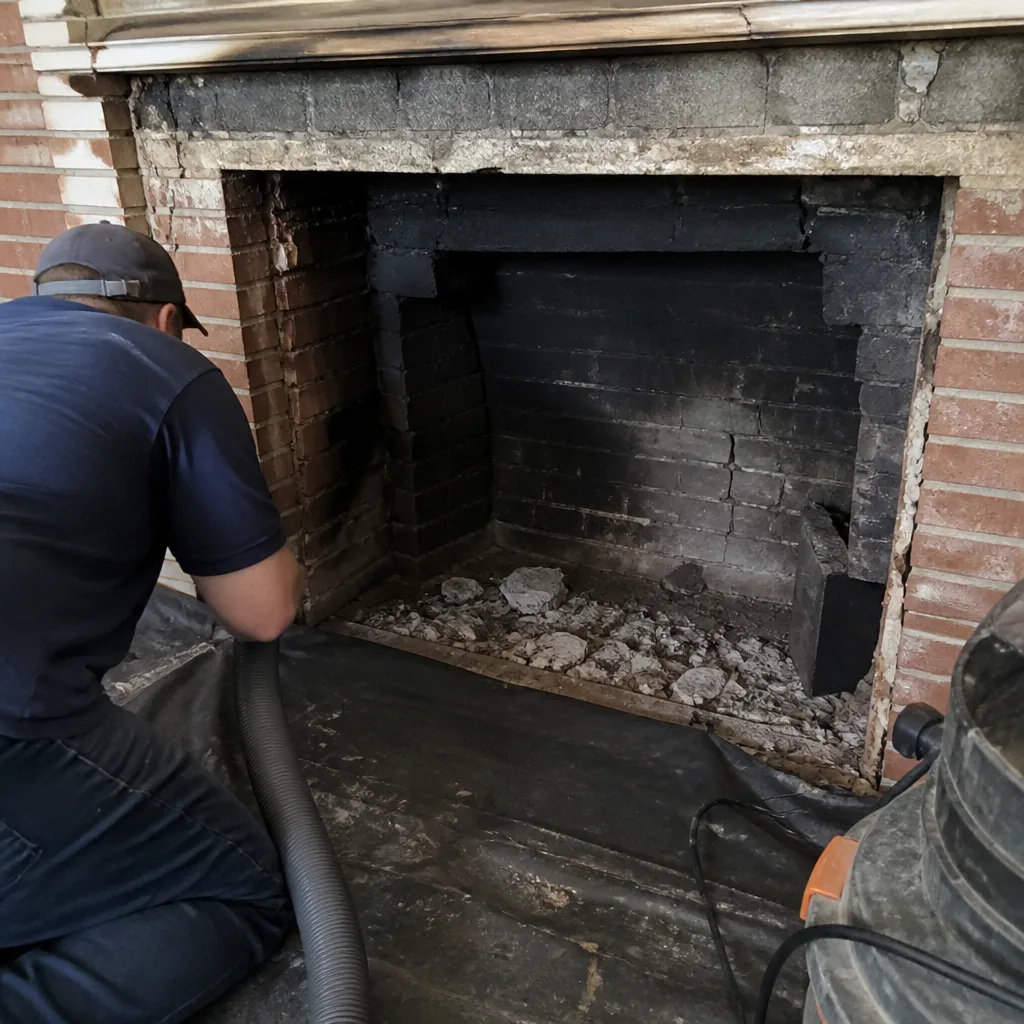
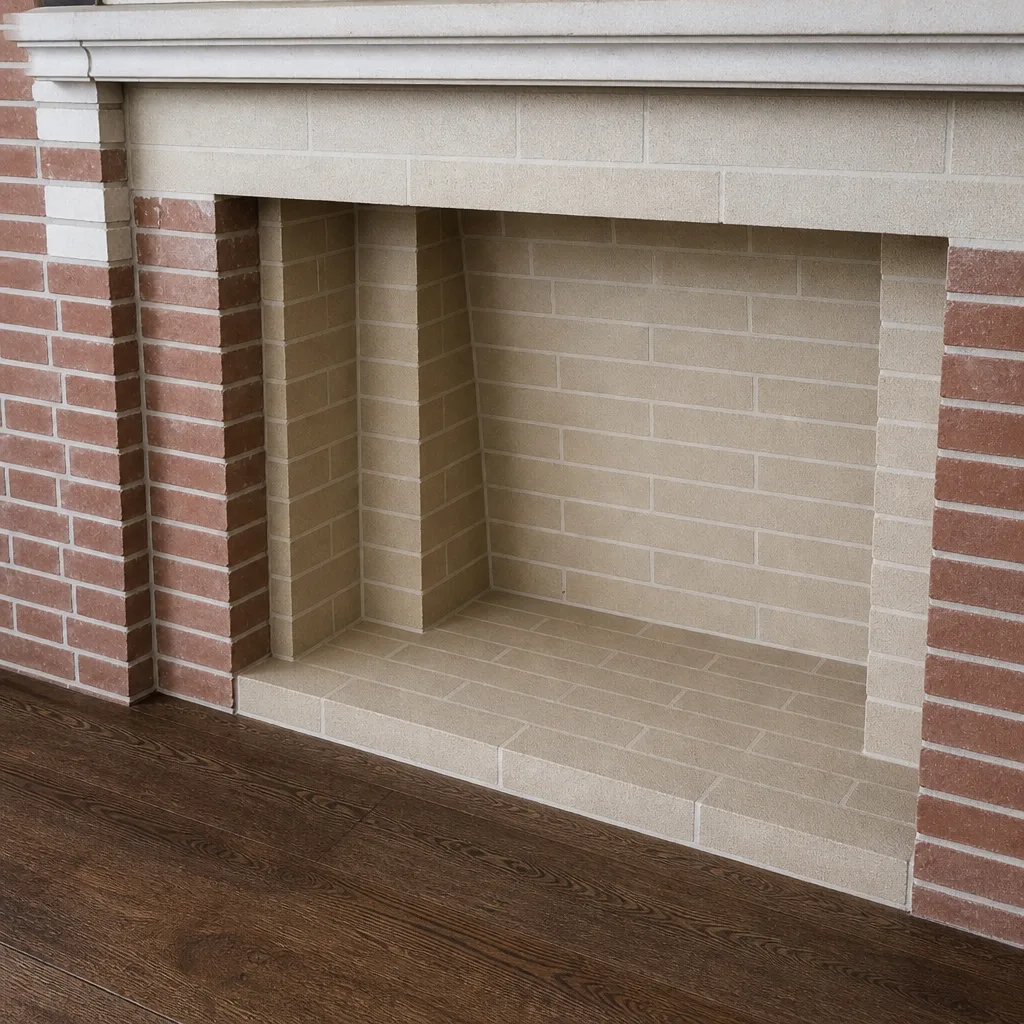
See the difference
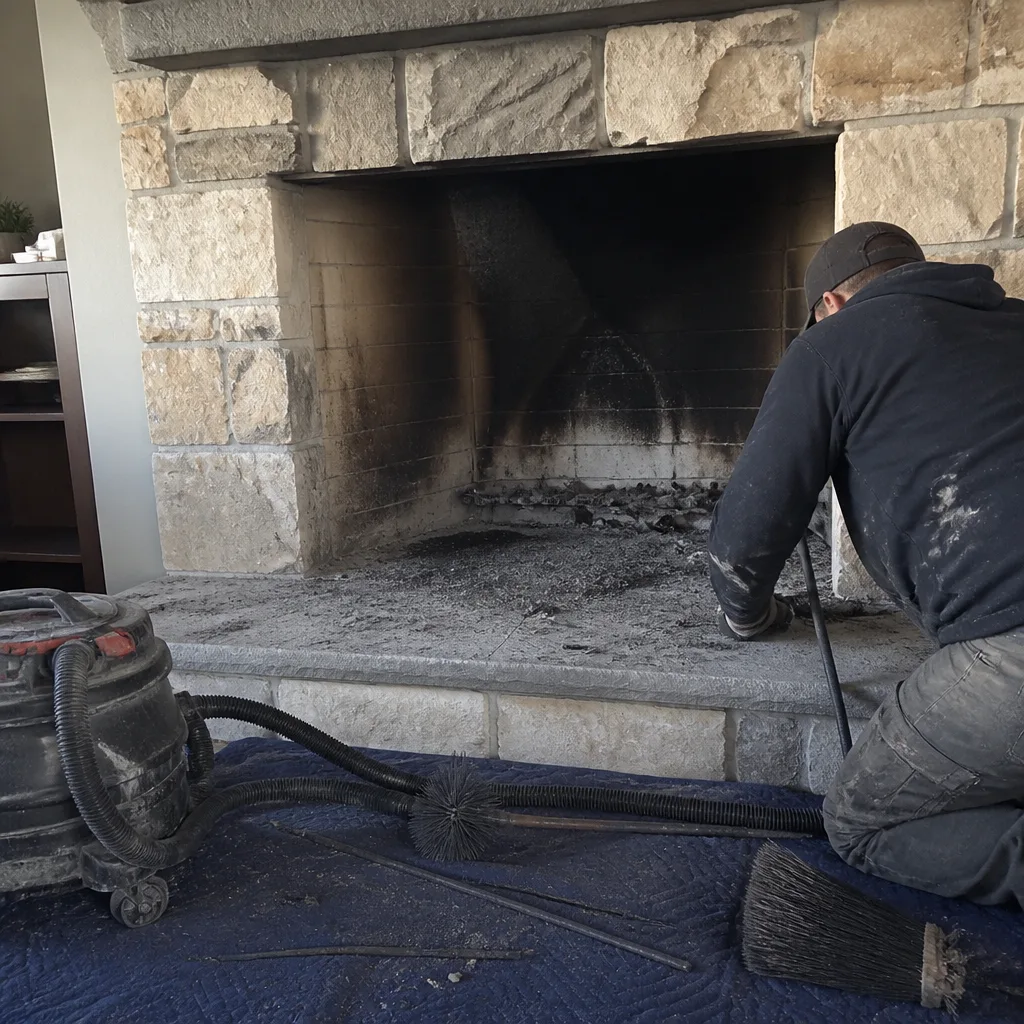 Before
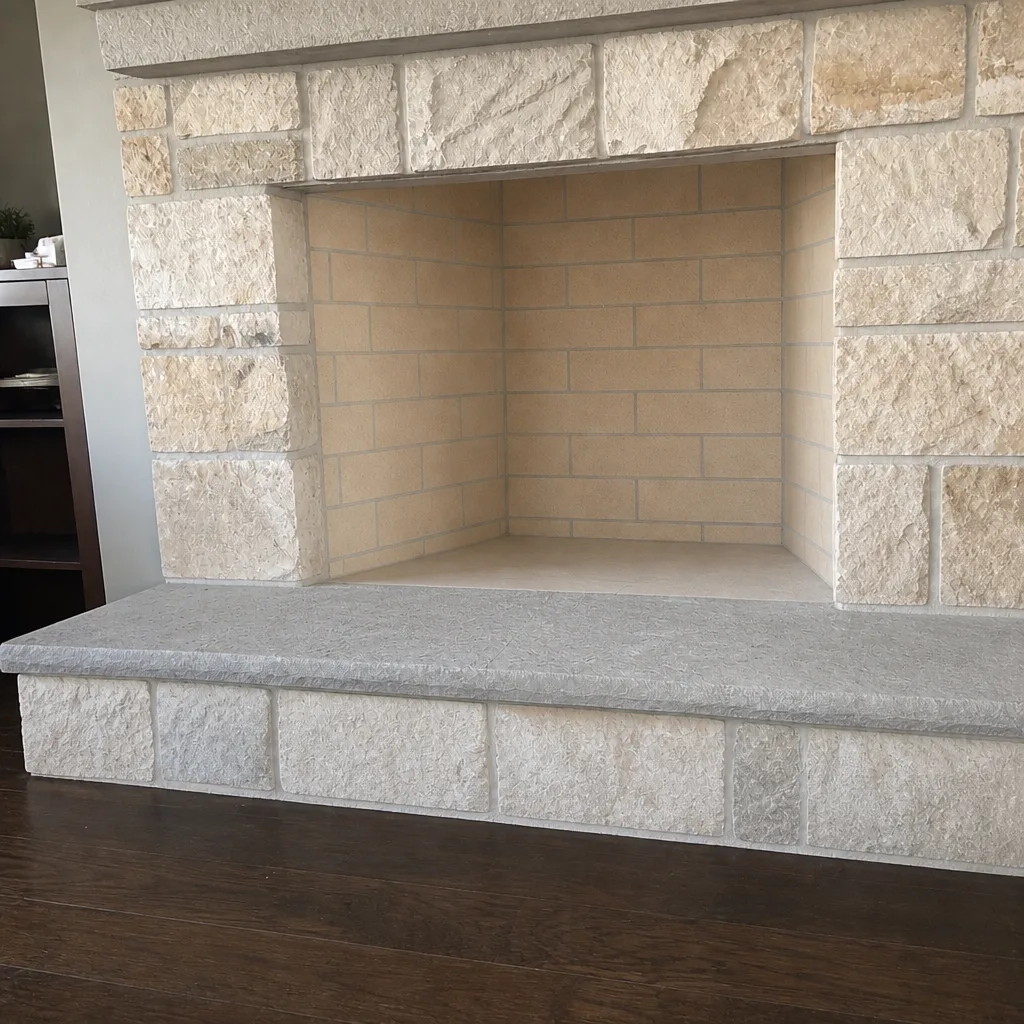 After
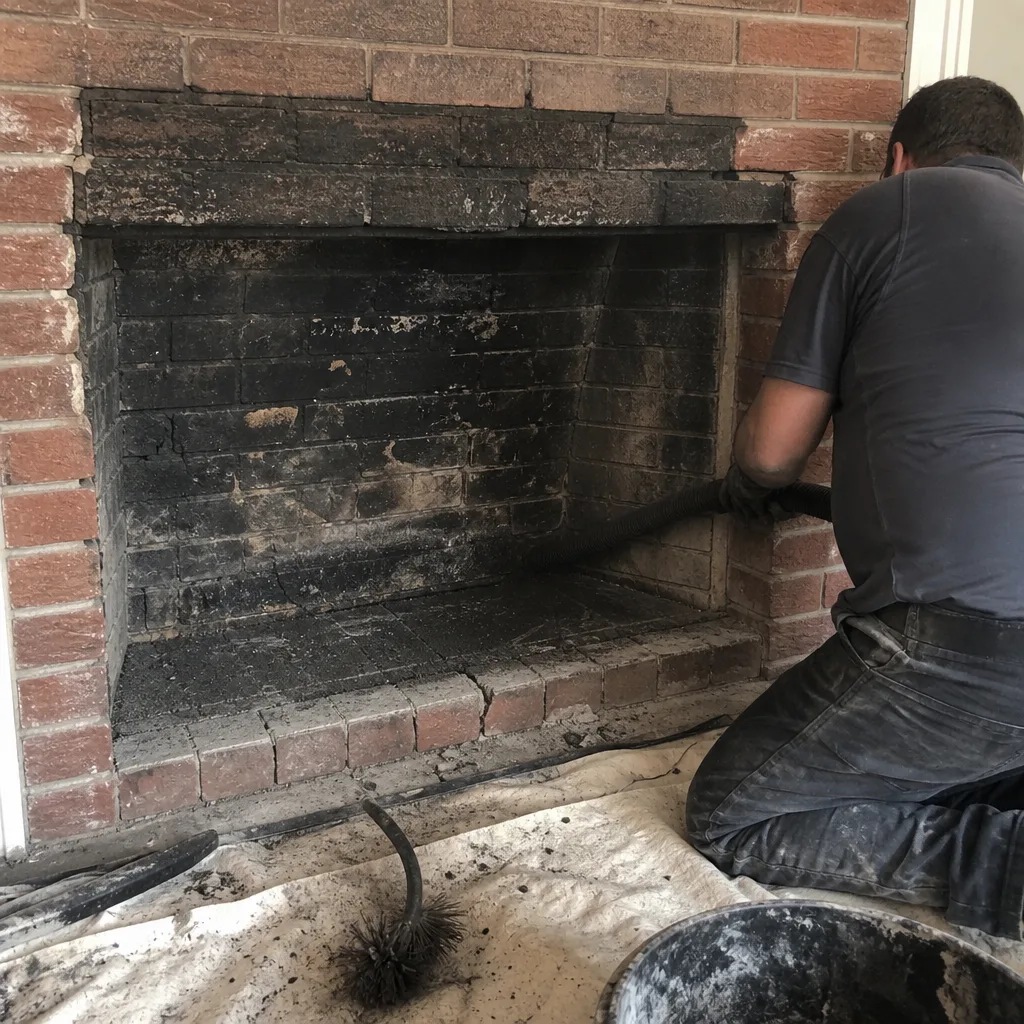 Before
 After
 Before
 After
When to Call a Professional
Some chimney issues announce themselves loudly. Others matter because of what they could turn into. Call a professional chimney specialist in Salt Lake City when:
- You’ve had a chimney fire, even if it appeared to go out on its own.
- Your CO alarm has sounded at any point in the last year.
- Smoke rolls back into the room when you start a fire.
- You can hear animal noises at the top of the chimney, or you find nesting material in the firebox.
- The firebox has visible damage, or the firebrick has cracks or missing mortar.
- You’ve moved into a new home and don’t have a documented inspection from the previous owner.
- Your insurer is asking for documentation before the heating season.
Salt Lake City Chimney Sweep Pros offers free estimates in Salt Lake City. Call (844) 443-4875. We answer 24/7. Fast dispatch from 7am to 7pm, Sunday through Friday. A call outside dispatch hours is booked into the next opening, Sunday through Friday, 7am to 7pm. Our technicians have up to 15 years of experience, and we work with professional-grade materials including HeatShield, Gelco, Olympia Chimney, and Famco. Every visit comes with a written report and photo documentation, so the evidence is in your hands.
Frequently Asked Questions
The most reliable signs are a roaring or rumbling sound from the chimney, popping that continues after you stop adding wood, sparks or dense smoke from the top, and a hot, acrid smell that’s different from normal wood smoke. If any of those showed up, treat it as a chimney fire and get a Level 2 inspection before lighting another one. Call (844) 443-4875 for an exact quote on an inspection. Estimates are free.
Place at least one CO detector in the same room as the fireplace, mounted several feet from the appliance at breathing height, plus one in the hallway outside the bedrooms and one on every level of the home, including the basement. The reason is backdraft: a CO event caused by a reverse-drafting chimney starts in the fireplace room and may never reach a detector in the hallway. Call (844) 443-4875 to book a chimney inspection. Estimates are free.
Stop using the appliance immediately, open a window in the room to clear any smoke, and call a chimney sweep. Don’t try to smoke the animal out or run a pole up the flue from the firebox. A sweep can clear the nest and inspect for damage; a chimney cap installation afterward is the fix that prevents a repeat. Call (844) 443-4875 for a free estimate on cap and crown work.
Most homeowner policies will ask for documentation of the cause and extent of damage from any fire-related claim, and a written Level 2 inspection report with photos is what insurers rely on for a chimney fire. It’s also what a sweep relies on to tell you whether the flue is safe to use again. Call (844) 443-4875 to schedule. Estimates are free.
That’s usually a draft problem, not a blockage. Salt Lake City’s winter inversions bring low barometric pressure and still air, both of which weaken chimney draft, and a chimney on the cold side of the house can backdraft on those days. If the smoke is new and persistent, an inspection will tell you whether it’s the pressure, the chimney’s design, or a developing blockage. Call (844) 443-4875 for an inspection estimate. Estimates are free.
Once a year is the baseline for a wood-burning fireplace or stove, and more often if you burn heavily through the long heating season. Salt Lake City’s fires run from fall into spring, which gives creosote more time to accumulate between cleanings. A documented sweep each year is also the record your insurer will want after any fire-related event. Call (844) 443-4875 to book. Estimates are free.
The Bottom Line
Chimney emergencies in Salt Lake City come in three types, and each asks for a different first move. For a chimney fire: evacuate, call 911, and get a Level 2 inspection afterward, no exceptions. For a CO event: get into fresh air, call 911, and don’t re-enter until the fire department clears it. For a blockage: stop using the appliance and document what you saw. The preparation that makes all three less dangerous isn’t dramatic; it’s an annual sweep, a documented inspection, working CO detectors placed correctly, and a cap on the chimney. A safe chimney is a documented chimney.
Contact
If you’re ready to build that documentation, or you’re dealing with a chimney problem now, call Salt Lake City Chimney Sweep Pros at (844) 443-4875 for a free estimate. We answer 24/7. Fast dispatch from 7am to 7pm, Sunday through Friday. From a routine chimney sweep to a full chimney cap & crown install or fireplace repair, every job comes with a written report and photo evidence you can hand to your insurer.
Written by the team at Salt Lake City Chimney Sweep Pros.