
Last updated November 25, 2026
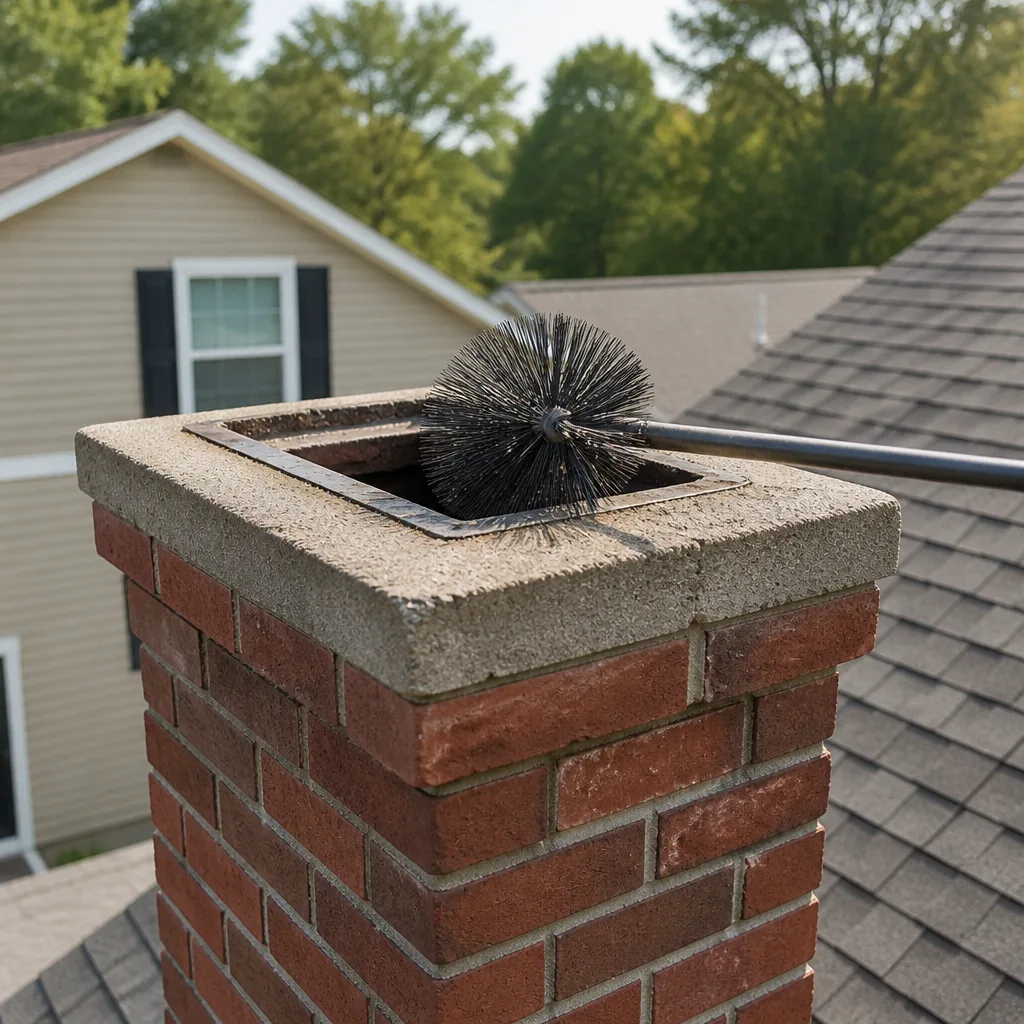 Sweep & inspection
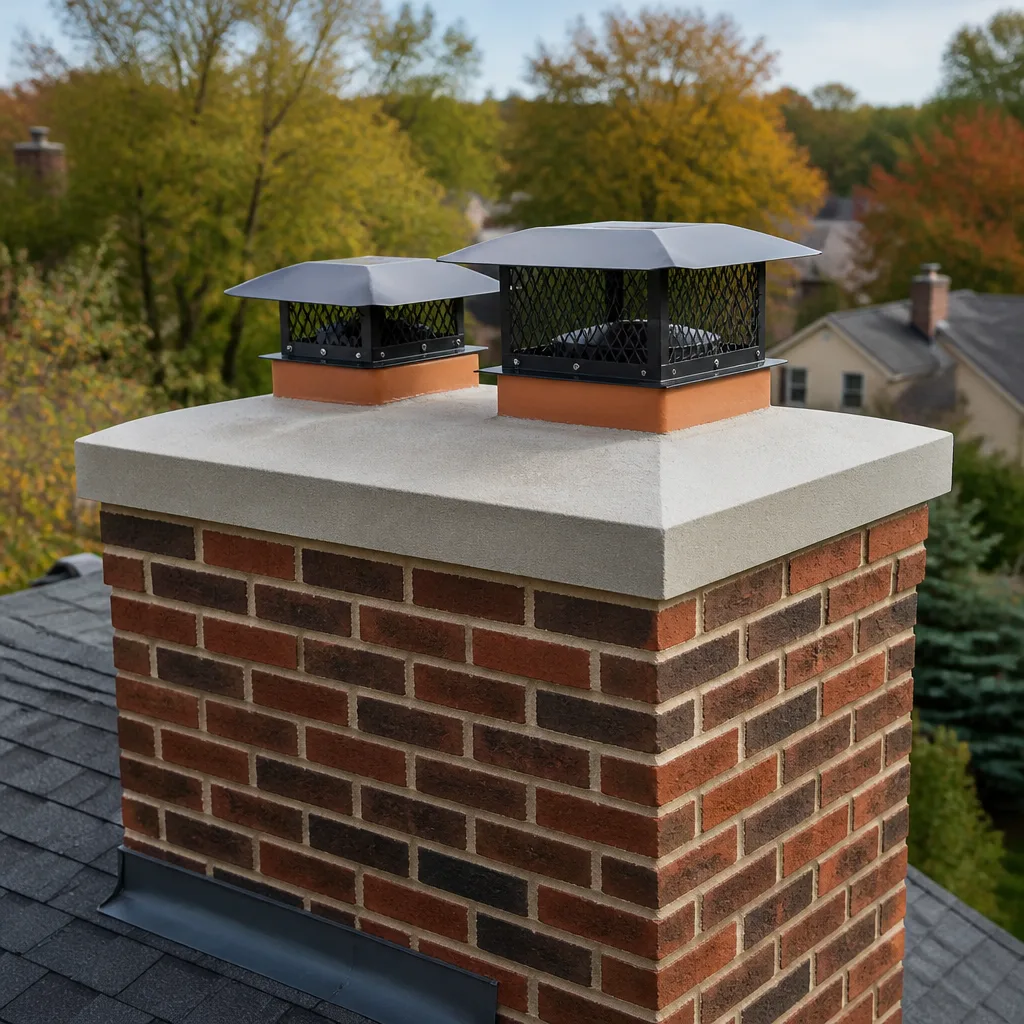 Caps & crowns
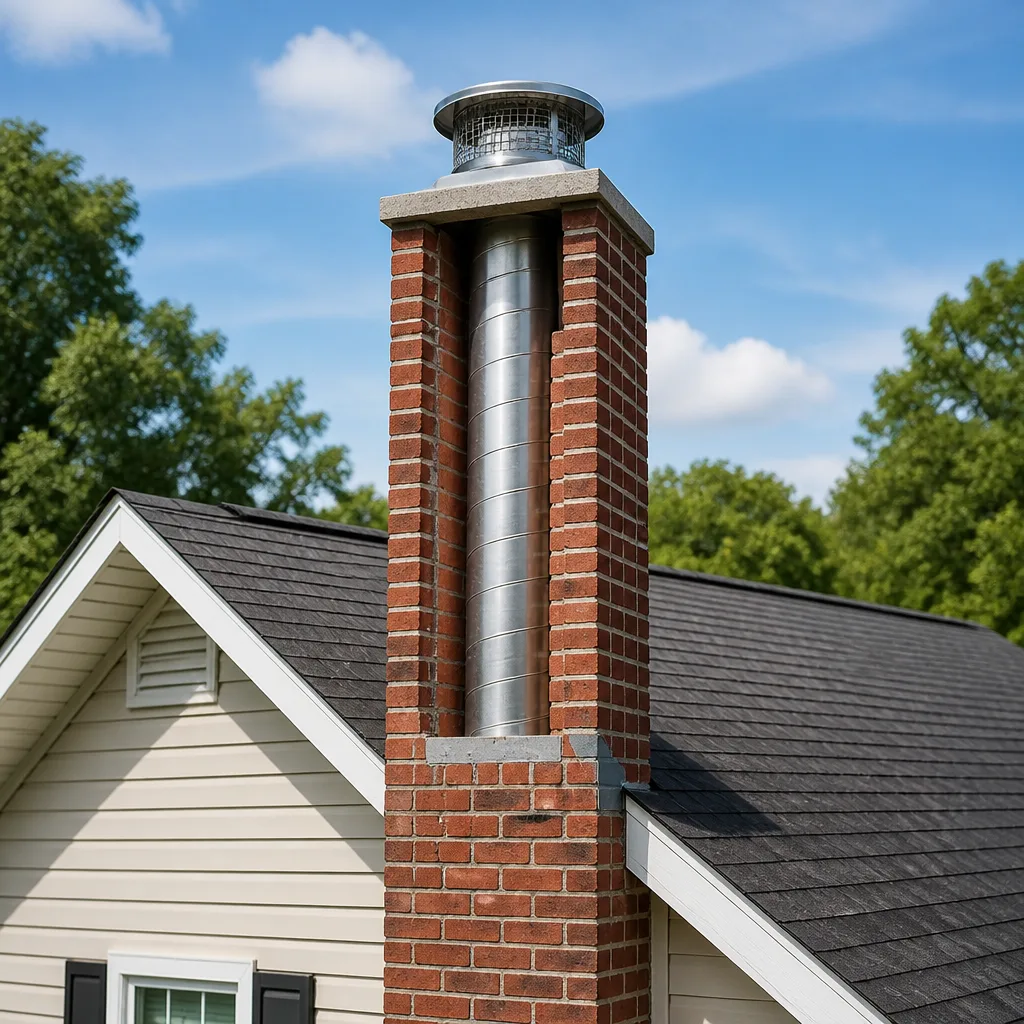 Flue relining
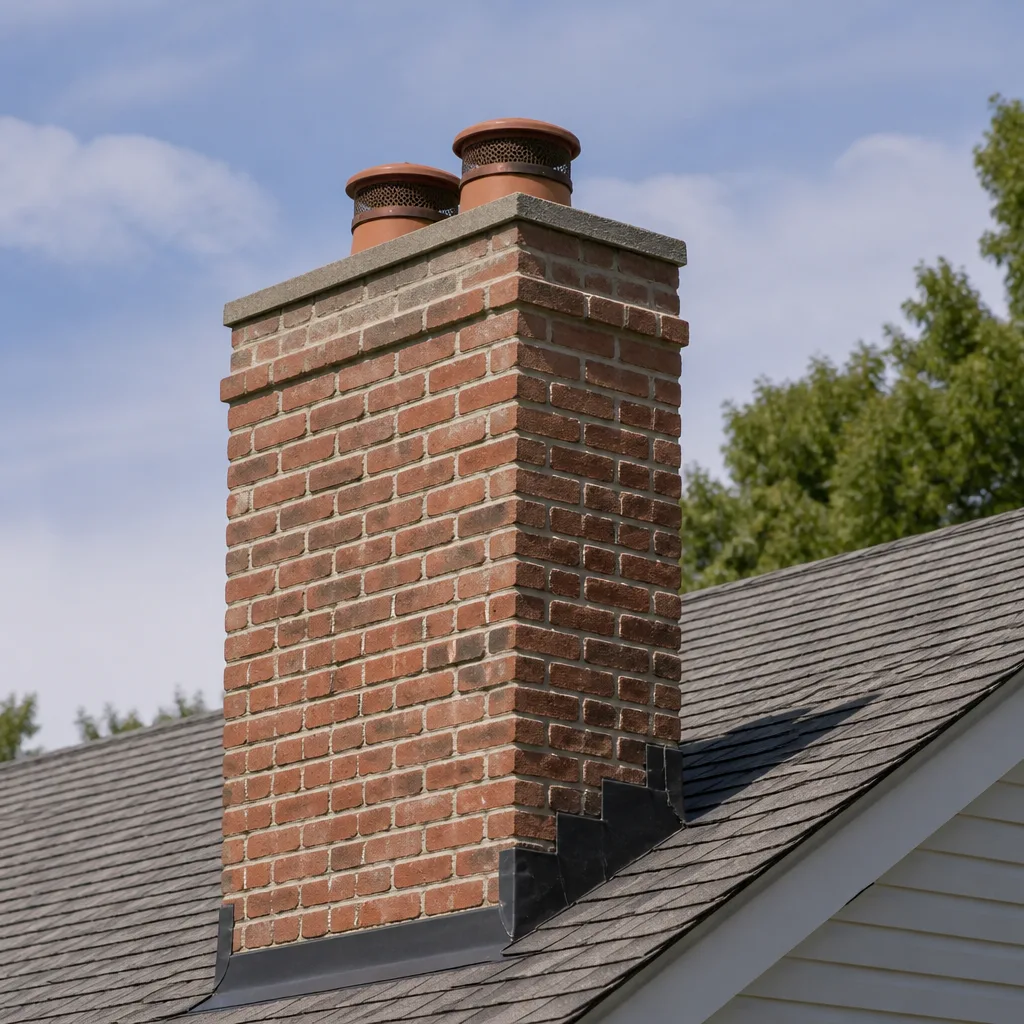 Masonry repair
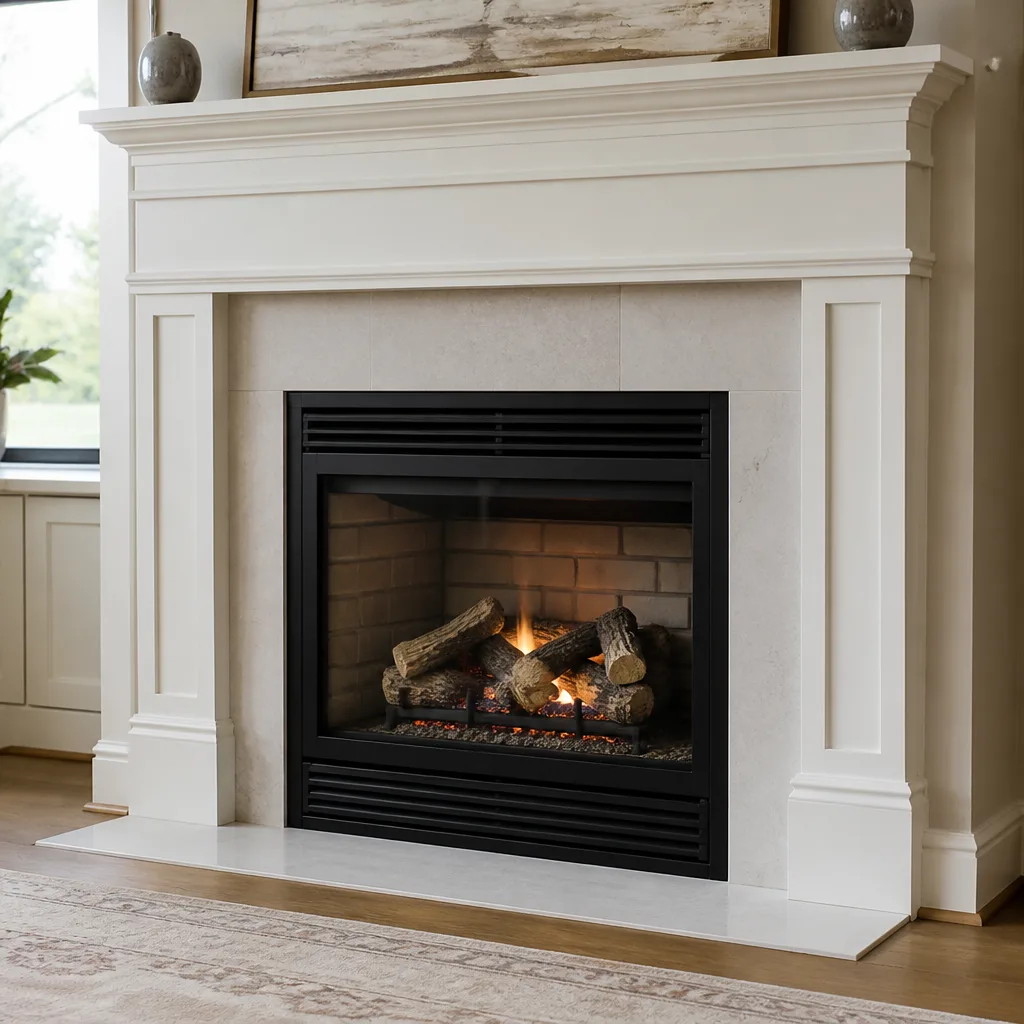 Gas fireplace service
Level 1 sweep and inspection to the NFPA 211 annual standard - flue, crown, cap, and flashing checked and photographed
Chimney sweep logs do not sweep chimneys. They loosen some creosote - which then falls where a brush and vacuum still have to collect it.
Chimney Cleaning Permits, Codes & Inspections in Salt Lake City, UT: What You Need to Know
No permit is required to sweep your chimney. A permit may absolutely be required for what the sweep finds when they’re done, and that distinction has real consequences for your insurance coverage and your resale disclosure. Plenty of homeowners in Salt Lake City have paid for a cleaning, been told the flue needs relining, and hired whoever was standing in the living room that afternoon without asking whether the work needed a permit or an inspection report. This guide walks through where cleaning ends and permitted repair begins, what Utah’s building code asks of the people doing the work, what a Level 2 inspection actually involves, and how Salt Lake City’s winter air quality rules interact with the appliance in your chimney.
Quick Answer
Sweeping and cleaning a chimney in Salt Lake City does not require a permit. Structural repair, relining, firebox rebuilding, and changes to the chimney’s construction generally do, and those permits come from Salt Lake City’s building department. A Level 2 inspection is also not the same thing as a cleaning, and it’s the document insurers and buyers ask for. If you want to know exactly what your chimney needs before you authorize anything, call (844) 443-4875 for a free estimate.
Styles & brands we work with
- Sweep & inspection
- Caps & crowns
- Flue relining
- Masonry repair
- Gas fireplace service
Table of Contents
- Where the Permit Line Falls: Cleaning Versus Repair
- Utah Building Code Section R1003 and What It Means for Your Chimney
- What a Level 2 Inspection Legally Requires
- How Unpermitted Liner Work Surfaces During a Home Sale
- Salt Lake City Air Quality Rules and Appliance Certification
- How a Chimney Sweep in Salt Lake City Usually Goes
- What Paperwork You Should Keep
Where the Permit Line Falls: Cleaning Versus Repair
Cleaning is maintenance. Repair is construction. That’s the simplest way to hold the distinction in your head, and it’s the line Salt Lake City’s permit process is built around. A technician brushing creosote off the flue walls and vacuuming the firebox doesn’t change the structure of your chimney, so nothing needs to be inspected by the city afterward. The moment someone cuts into the chimney, installs a new liner, rebuilds a firebox, or changes the flue’s dimensions, the work falls under the building code and usually needs a permit and an inspection before it’s closed up.
What triggers a permit in Salt Lake City practice:
- Installing a new flue liner, whether stainless, cast-in-place, or a resurfacing system
- Rebuilding or resurfacing a firebox beyond cosmetic patching
- Removing or altering a masonry chimney, or changing its height
- Replacing a chimney with a different appliance venting arrangement
- Structural crack repair in the chimney chase or crown that changes how the chimney sheds water
- Converting a wood-burning fireplace to a gas or pellet appliance, which changes the venting requirements
What usually doesn’t trigger a permit:
- Routine sweeping and creosote removal
- Level 1, Level 2, or Level 3 inspections
- Installing or replacing a chimney cap
- Minor crown patching where the crown’s structure isn’t being altered
- Damper adjustments and routine fireplace maintenance
Cap and crown work sits closest to the line. A straightforward cap replacement is a fitting, not a structural change. Rebuilding a failed crown is masonry work. We handle chimney cap & crown jobs on both sides of that divide, and we’ll tell you plainly which side yours falls on, because the wrong answer costs you at closing. When in doubt, a quick call to the city’s building department settles it, and it’s a better use of ten minutes than discovering the problem during an appraisal.
Utah Building Code Section R1003 and What It Means for Your Chimney
Utah’s residential code adopts Section R1003 for masonry fireplaces and chimneys, and that section covers the details most homeowners never see: how thick the firebox walls have to be, how the flue is sized relative to the fireplace opening, how the chimney has to be lined, clearance from combustibles, and how the crown and flashing are supposed to work. Contractors who work on masonry chimneys in Salt Lake City are supposed to build and repair to that standard. Sweep-only companies often don’t know it exists.
In practical terms, R1003 is why a properly relined chimney has a documented flue size rather than whatever flexible liner happened to be on the truck. It’s why a firebox rebuild involves specified materials rather than mortar smeared over cracks. And it’s why a licensed contractor pulls a permit before the liner goes in: the inspection exists to confirm the finished work matches the standard, not just that it looks tidy from the living room.
For homeowners, three parts of R1003 matter most:
- Liner requirements. A masonry chimney is expected to have a continuous liner suited to the appliance it serves. A cracked or missing liner is a code issue, not a cosmetic one.
- Flue sizing. An oversized flue cools smoke too quickly and drafts poorly. Sizing is a calculation, not a guess, and it’s why a proper reline starts with measurements.
- Clearances and crown. Combustible materials need the clearance the code specifies, and the crown has to shed water away from the flue. Water is the slow killer of masonry chimneys in this valley.
A liner that meets the code is also a liner your insurer can verify. When we install Salt Lake City Chimney Sweep Pros material from DuraFlex flexible liner systems or apply HeatShield resurfacing, the point is that the result is a documented, code-compliant flue, not a quick patch. Our technicians have up to 15 years of experience with masonry chimney construction and repair, and they’ll walk you through what the code requires for your specific chimney before any work begins.
What a Level 2 Inspection Legally Requires
A Level 2 inspection is a documented visual inspection of the accessible portions of the chimney, including the attic, crawlspace, and any concealed spaces that can be reached without damaging the structure, plus a video scan of the flue interior. It is defined by NFPA 211, the national standard for chimneys, fireplaces, vents, and solid fuel appliances. It is not a cleaning with a flashlight waved at the firebox, which is what a lot of homeowners receive when they ask for one.
NFPA 211 calls for a Level 2 inspection in several specific situations:
- When a property changes hands, so the buyer knows what they’re getting
- After any event that could have damaged the chimney, such as a chimney fire or a seismic event
- After an appliance change, such as swapping a wood appliance for gas or adding an insert
- When a Level 1 inspection turns up something that needs a closer look
What a real Level 2 involves, step by step:
- Visual inspection of the firebox, damper, smoke chamber, and accessible flue from below
- A camera scan of the flue from top to bottom, with still images captured for the report
- Inspection of the chimney exterior, including the crown, flashing, and any visible cracking
- Inspection of accessible attic and crawlspace areas where the chimney passes through
- A written report documenting conditions, with photographs and a clear recommendation for each finding
What contractors often deliver instead is a verbal “looks fine” and a bill. Our chimney sweep service pairs the cleaning with a documented inspection, and if you need the Level 2 report for insurance or a sale, we photograph everything. A safe chimney is a documented chimney. If your home is under contract, get the report in your hands before the inspection period closes.
How Unpermitted Liner Work Surfaces During a Home Sale
Unpermitted chimney work has a way of sleeping quietly until a home sale wakes it up. A buyer’s inspector notes a new stainless liner with no permit record, the buyer’s agent asks for documentation, and the seller discovers the work was done years ago by a contractor who didn’t pull a permit. Now the closing is held up by a question nobody can answer without opening the chimney up and calling the city.
The discovery path usually looks like this:
- Buyer’s home inspector flags the chimney and recommends a Level 2 inspection
- The inspection company finds a liner installed without a permit and without documentation
- Buyer’s lender or insurer wants proof the work is code-compliant
- The city is contacted, and a permit needs to be pulled retroactively, sometimes requiring the liner to be opened up for inspection
- The seller pays for inspection, code correction, and often a second liner installation if the first one fails code review
What remediation usually costs, in terms of scope rather than a number we’d be guessing at: an opened chimney, a second inspection, and sometimes a full reline if the original installation doesn’t meet the code’s sizing or clearance requirements. The cost isn’t the worst part. The worst part is the timeline, because a sale can’t close until the work is done and inspected, and in a cold Salt Lake City winter the schedule gets tight.
Unpermitted work also has insurance implications. Most homeowner policies ask whether improvements were permitted, and a claim related to a non-permitted liner can become a coverage dispute. The remedy is simple: document everything, keep the permit record with your closing documents, and ask any contractor you hire for the permit number before work begins. fireplace repair and liner work done right is cheap insurance against all of this.
Salt Lake City Air Quality Rules and Appliance Certification
Salt Lake City sits in a valley where winter inversions trap wood smoke near the ground, and the Division of Air Quality has responded with burn restrictions that affect what you can legally burn and when. Those rules interact directly with your appliance. A wood-burning fireplace or stove that isn’t certified to the current emission standard may face restrictions on the days when the valley’s air quality is poor, and a homeowner who upgrades or replaces an appliance has to make sure the new one meets certification requirements or the upgrade may be unusable on the worst days.
What this means for your chimney work:
- Before you replace a wood appliance, confirm it’s certified for the local air quality rules, not just the federal minimum
- If you’re converting to gas, the venting requirements change and the chimney needs to be evaluated for the new appliance
- Burn restrictions are enforced by the Division of Air Quality, and the rules can change with the season, so check current guidance
- Creosote buildup in a wood chimney during heavy burning season is a fire risk, and a certified sweep removes it safely
Air quality compliance is also why the appliance certifications and inspection reports matter to a future buyer. A stove that doesn’t meet current rules is a disclosure issue, not a charm point. We don’t sell appliances, but we do evaluate chimneys and fireplaces in Salt Lake City and report what we find. If you’re thinking about a conversion, get the chimney evaluated before you buy the appliance, not after.
How a Chimney Sweep in Salt Lake City Usually Goes
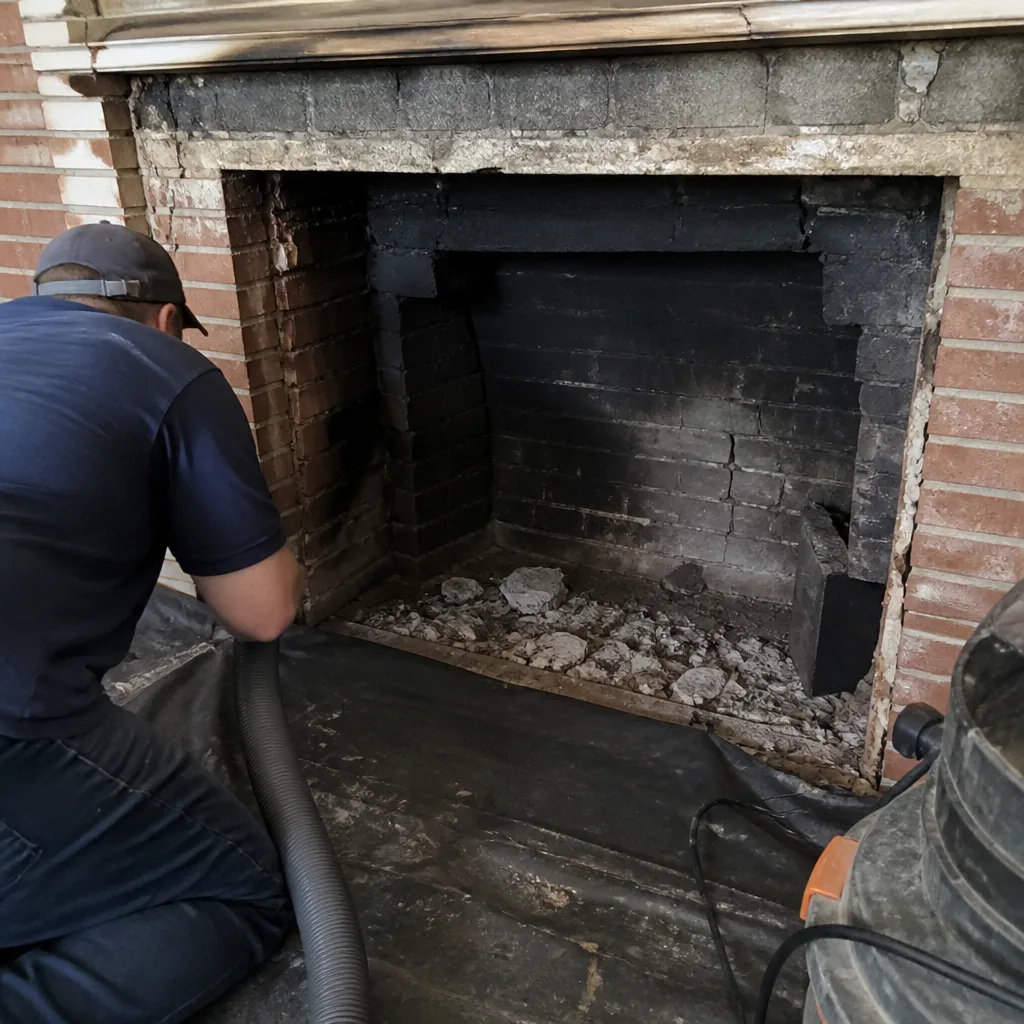
A routine sweep in Salt Lake City takes about an hour for a single flue, and the process is less mysterious than most homeowners expect. The technician arrives with drop cloths and a HEPA vacuum, inspects the firebox and damper, sweeps the flue from the roof or from the firebox depending on the chimney’s configuration, and vacuums the debris. The cleaning is followed by an inspection of the accessible portions of the chimney, a written summary of what was found, and a conversation about anything that needs attention. No pressure, no sales pitch, just findings.
In this climate, the timing of a sweep matters more than people realize. Salt Lake City winters run long, and a chimney that goes into the cold season with a heavy creosote load has a fire risk that a homeowner may not feel until the flue ignites. We recommend a sweep before the first serious cold snap, which in the Salt Lake Valley usually means late fall. A chimney that’s burned heavily through the winter often needs a follow-up check in spring.
The typical steps:
- Protect the floor and furnishings around the fireplace
- Inspect the firebox, damper, and smoke chamber
- Sweep the flue and remove creosote and debris
- Vacuum the firebox and surrounding area
- Inspect the accessible portions of the chimney and document findings
- Walk you through the report and answer questions before leaving
What we don’t do is tell you something needs replacing before we can show you the evidence. Camera images exist for exactly this reason. If a sweep finds a cracked flue tile or a failing crown, the technician photographs it and explains what the code requires, and you decide. Sometimes the honest answer is that the chimney is fine and you don’t need any additional work this year.
What Paperwork You Should Keep
Every chimney service in Salt Lake City produces a document, and those documents are worth more than most homeowners realize. The sweep report, the Level 2 inspection report, the permit record for any liner or structural work, and any appliance certification should all live in the same folder as your closing documents and homeowner insurance file.
What to keep:
- Each sweep report with the date and the technician’s findings
- Any Level 2 inspection report, including the photography
- Permit numbers for all liner, firebox, or structural work
- Appliance certifications and manufacturer documentation
- Contractor name and contact information for the installer of any liner or repair
The reason is simple. When you sell, when your insurer asks, or when the next sweep finds something, the file answers the questions that come up. A documented chimney is a chimney that can be trusted, and a homeowner who keeps the file avoids the retroactive-permit scramble that catches so many sellers in this valley.
Common Mistakes to Avoid
- Assuming a cleaning is an inspection. A sweep removes creosote; an inspection evaluates the chimney. If you’ve never had a Level 2, you don’t know the condition of the flue, only that it’s cleaner than it was.
- Hiring a generalist for liner work. Plumbing or HVAC contractors sometimes offer liner installation as a side job, but the code requirements and sizing calculations are chimney-specific. The wrong liner fails code review and can’t be remediated without pulling it out.
- Letting work proceed without a permit. A liner installed without a permit is the number-one thing that surfaces during a Salt Lake City home sale. Ask for the permit number before work starts, not after.
- Not asking for camera evidence. Any contractor who recommends a reline or firebox rebuild should be able to show you the camera images and a written report. If they can’t, wait and get a second opinion.
- Ignoring the air quality rules. Burning on a restricted day or installing an uncertified appliance can lead to fines and an unusable upgrade. Check the Division of Air Quality’s current rules before your first fire of the season.
- Skipping the sweep in a cold winter. Creosote accumulates faster during heavy burning, and a chimney fire doesn’t announce itself before it happens. The sweep is the cheap part.
- Throwing away the paperwork. A sweep report from three winters ago is worth its weight in gold when the buyer’s inspector starts asking questions. Keep every document in one folder.
See the difference
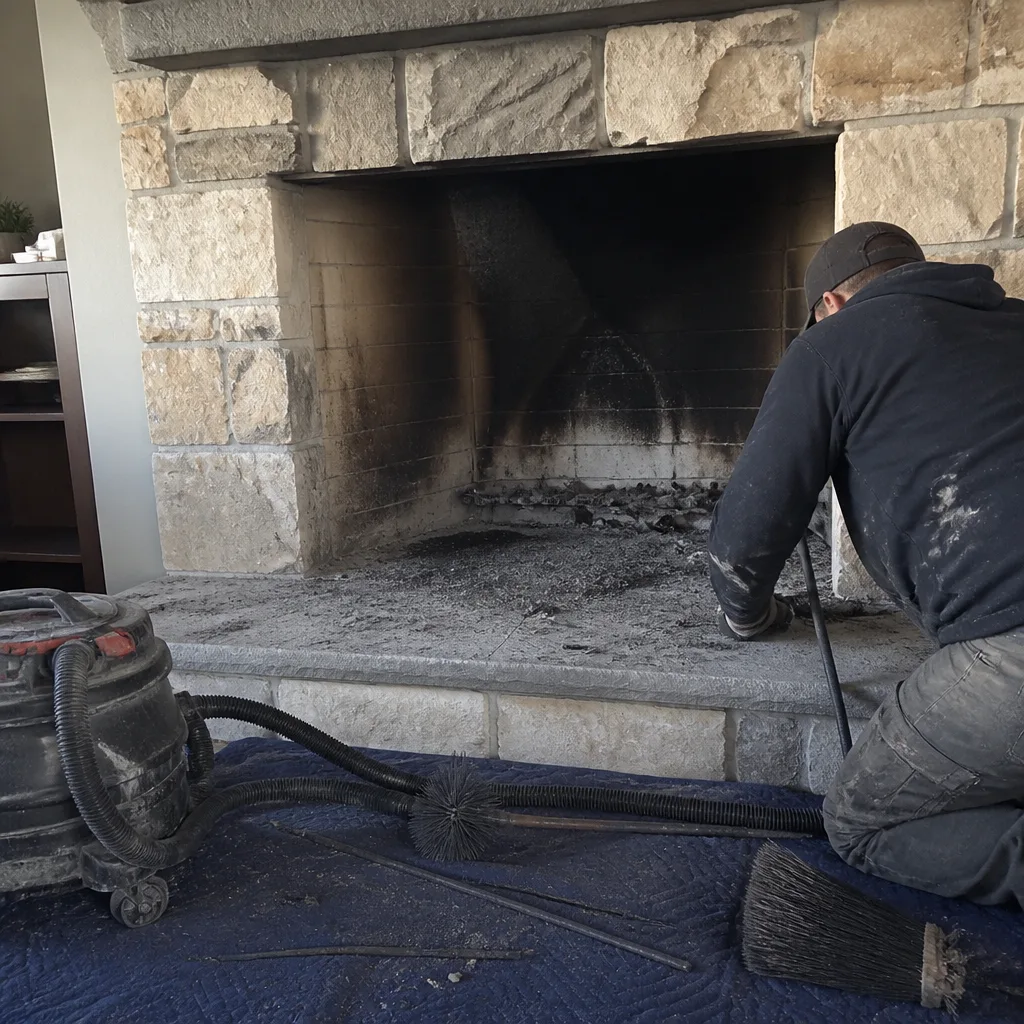 Before
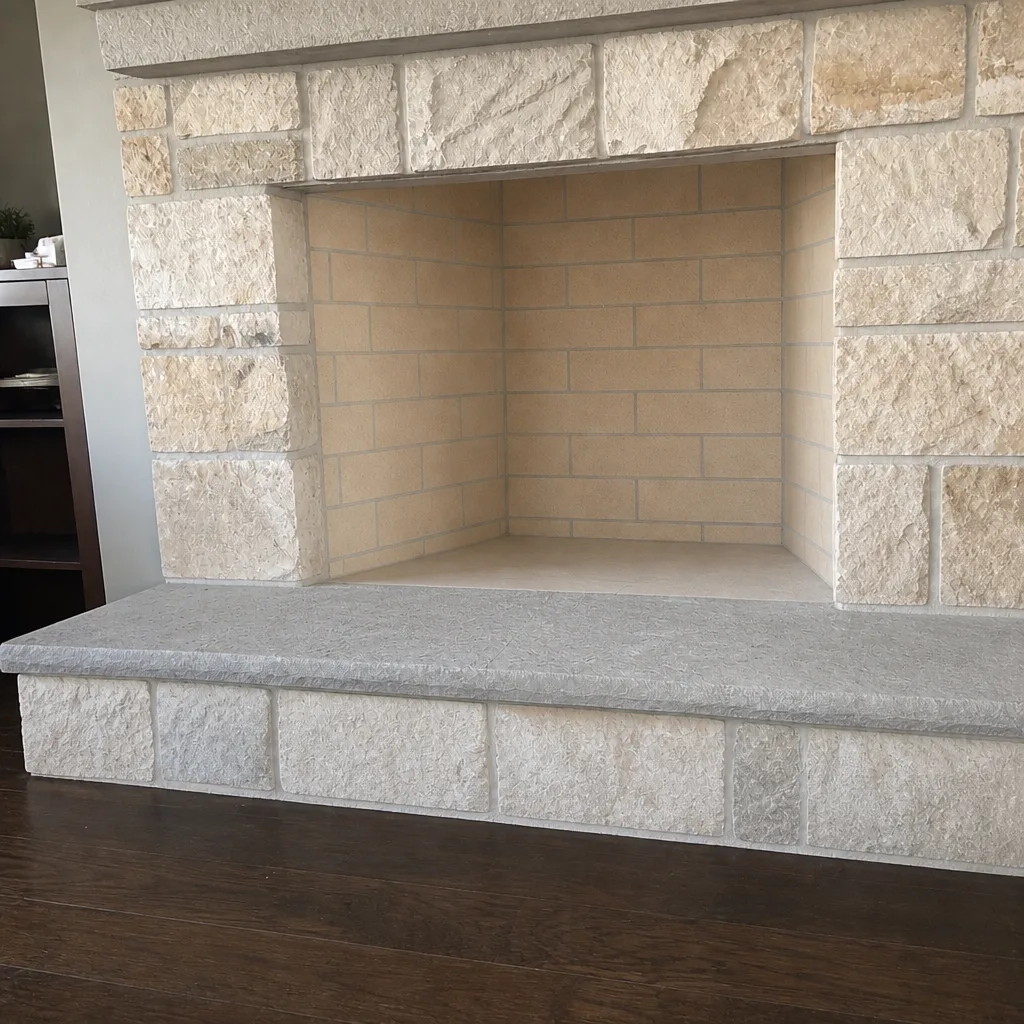 After
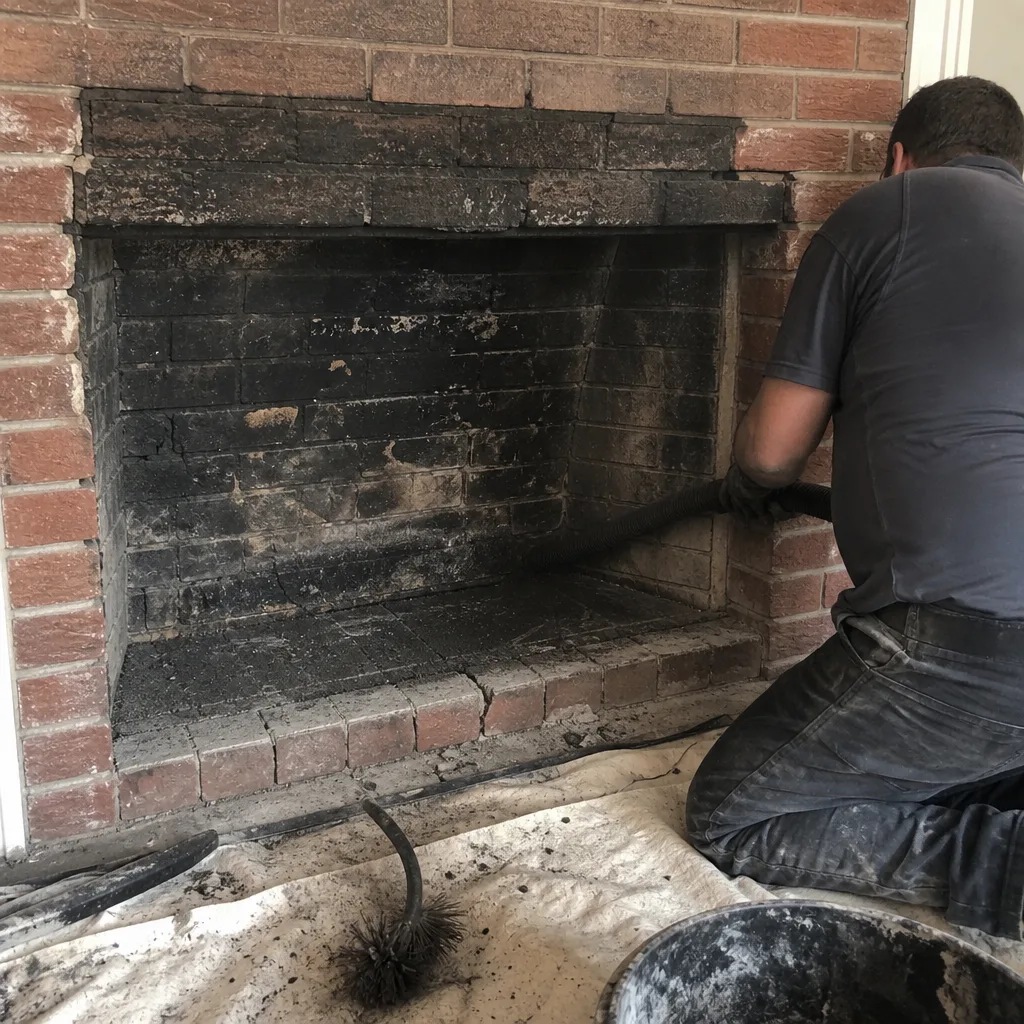 Before
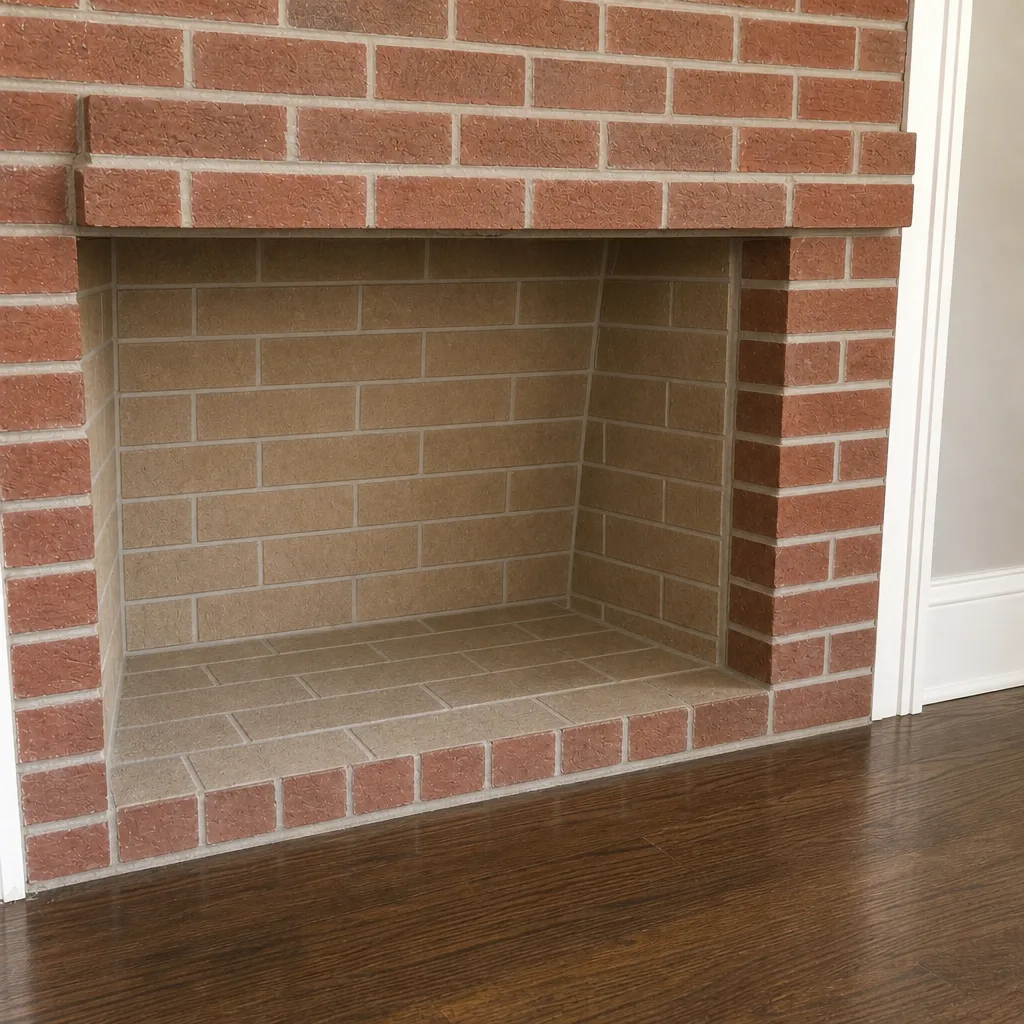 After
 Before
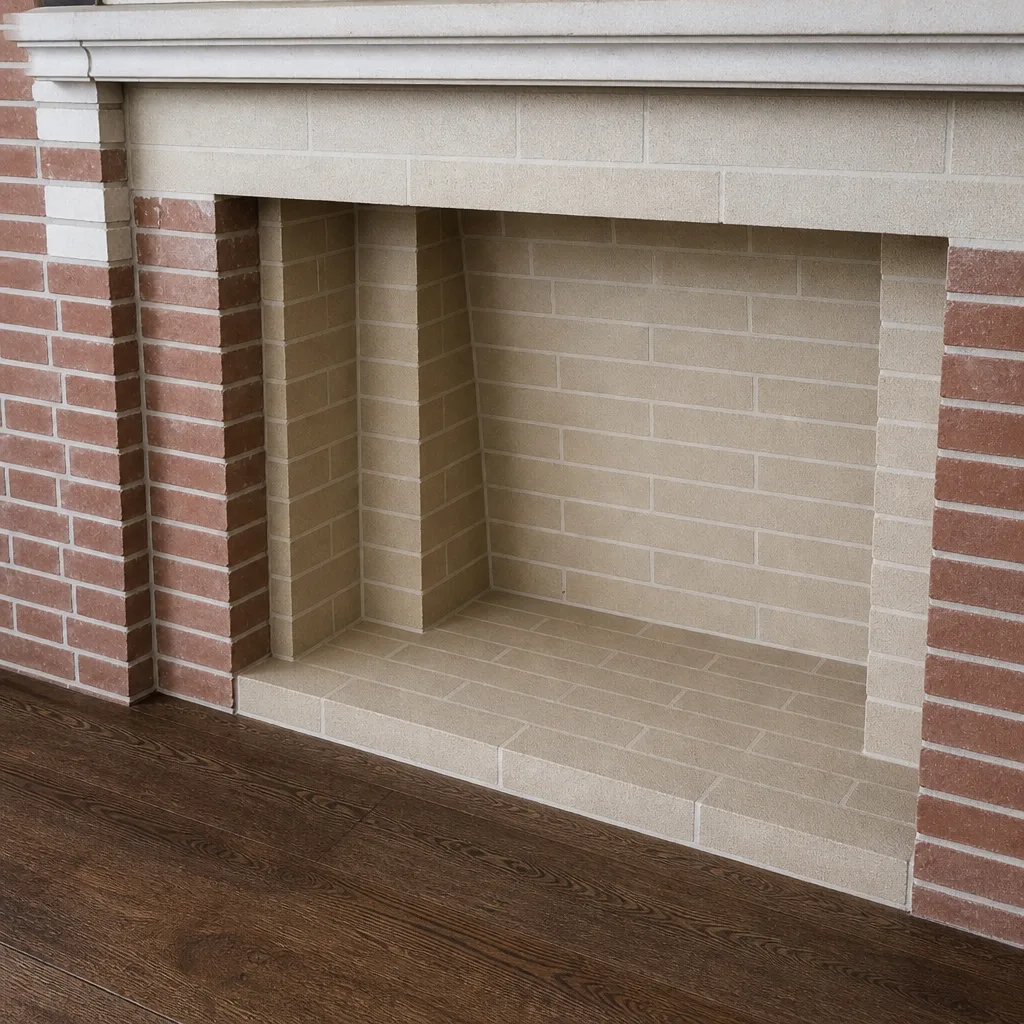 After
When to Call a Professional
Call a chimney professional in Salt Lake City when you’re scheduling your annual sweep, when you’re buying or selling a home and need a Level 2 inspection, when a contractor has recommended liner or firebox work and you want a second opinion with camera evidence, or when you smell smoke indoors, notice creosote falling into the firebox, or see cracked masonry on the exterior. Those are the moments when a specialist beats a generalist, because the work involves code compliance, structural repair, and materials that generalists don’t stock. Salt Lake City Chimney Sweep Pros offers free estimates in Salt Lake City – call (844) 443-4875. We answer 24/7. Fast dispatch from 7am to 7pm, Sunday through Friday.
Frequently Asked Questions
No. Cleaning and sweeping are maintenance, and no permit is required. A permit is generally needed when the work changes the chimney structurally, such as installing a new liner, rebuilding a firebox, or altering the chimney’s construction. Call (844) 443-4875 for a free estimate and a straight answer on whether your specific job needs a permit.
A Level 1 inspection is a visual check of the readily accessible portions of the chimney during a routine sweep. A Level 2 inspection adds a video scan of the flue interior and inspection of accessible attic and crawlspace areas, and it’s the report insurers and buyers expect. If you’re buying or selling a home in Salt Lake City, ask for the Level 2 specifically. Estimates are free – call (844) 443-4875.
Ask the seller for the permit record and the installer’s documentation. If neither exists, the installation is likely unpermitted. Our chimney sweep and inspection service includes camera documentation of the liner’s condition and installation, so you know what you’re dealing with before closing.
Yes. Section R1003 of Utah’s residential code calls for a continuous liner suited to the appliance the chimney serves. A cracked or missing liner is a code violation and a fire risk. A proper reline brings the chimney back into code and gives you a documented flue for future sales or insurance questions. Call (844) 443-4875 for a free estimate.
Yes. The Salt Lake City Division of Air Quality can restrict wood burning on days when the valley’s winter inversions trap smoke near the ground. Uncertified appliances may face tighter restrictions, and replacing an appliance with one that doesn’t meet certification is a problem. Check the current rules before buying a new wood appliance or burning on a restriction day.
The sale can slow down or fail to close until the work is verified and permitted, and the seller often pays for inspection, code correction, and sometimes a second liner installation if the original doesn’t meet code. Contact us before listing if your chimney’s paperwork is missing – we can inspect, document, and recommend the path forward with a free estimate.
The Bottom Line
Cleaning your chimney in Salt Lake City doesn’t involve a permit, but the repairs a sweep recommends often do, and the difference matters when insurance and resale come into play. Utah’s Section R1003 sets the code standard for liner and masonry work. A Level 2 inspection, defined by NFPA 211, is the documented inspection insurers and buyers want. Unpermitted liner work surfaces during home sales and costs more to fix than it would have cost to permit. And Salt Lake City’s air quality rules tie your appliance certification to the days you can legally burn. Get the sweep, get the inspection, get the paperwork, and keep all of it. Then act before the cold arrives. Call (844) 443-4875 for a free estimate and a documented chimney. We answer 24/7, with fast dispatch from 7am to 7pm, Sunday through Friday.
Written by the team at Salt Lake City Chimney Sweep Pros.