
Last updated November 25, 2026
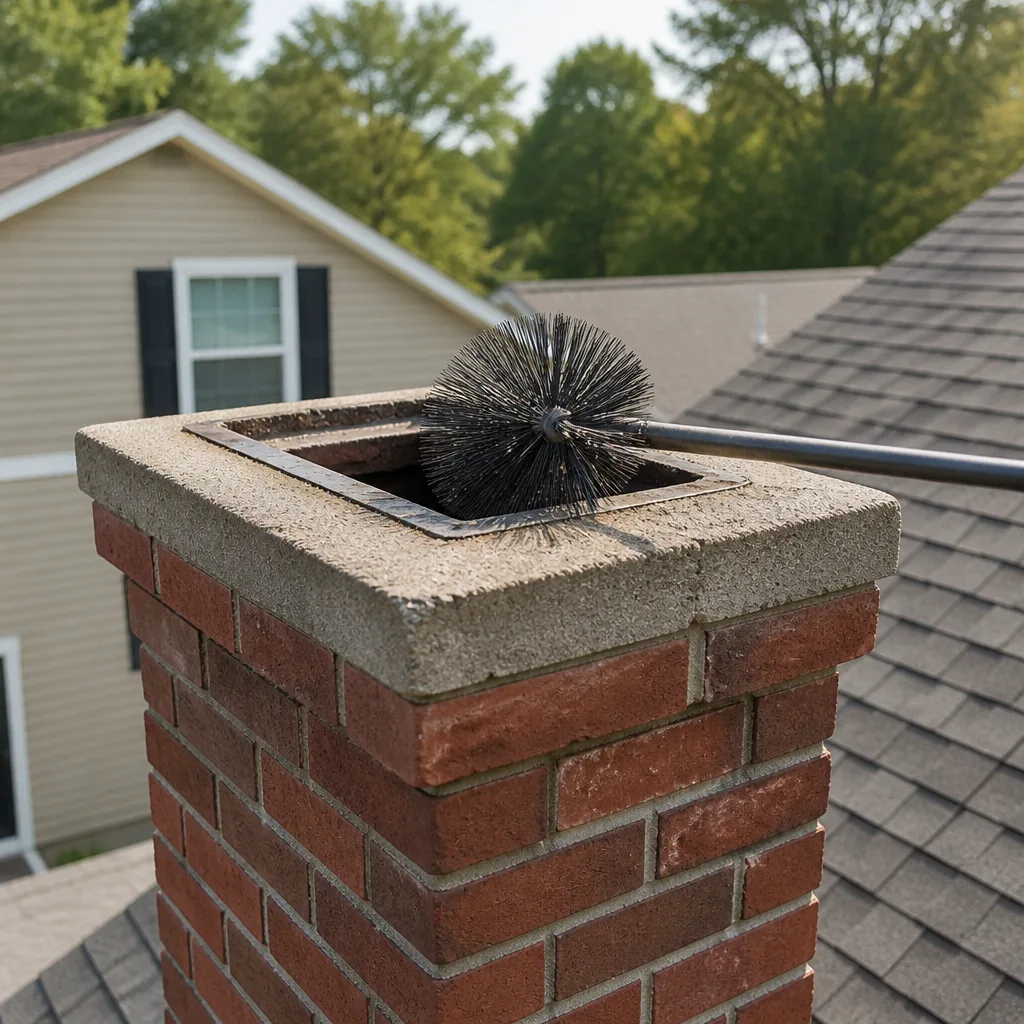 Sweep & inspection
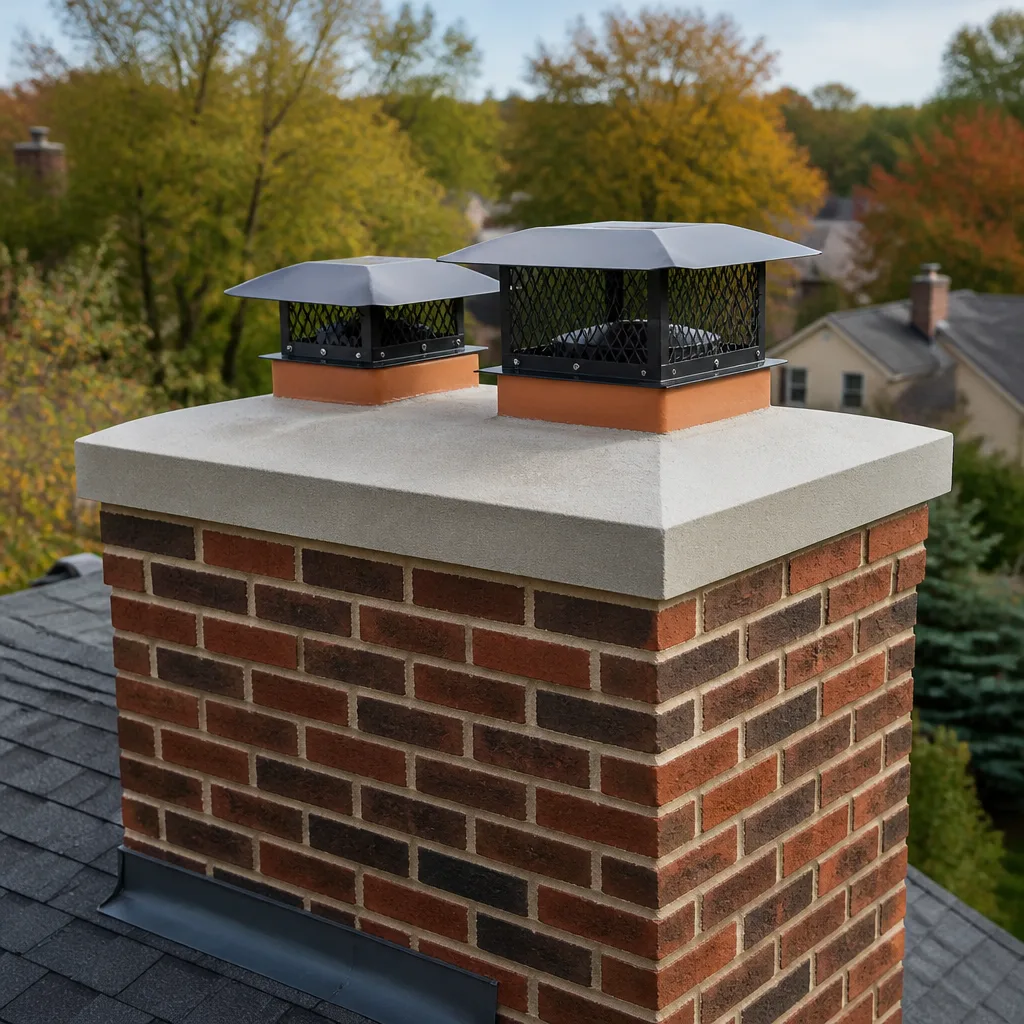 Caps & crowns
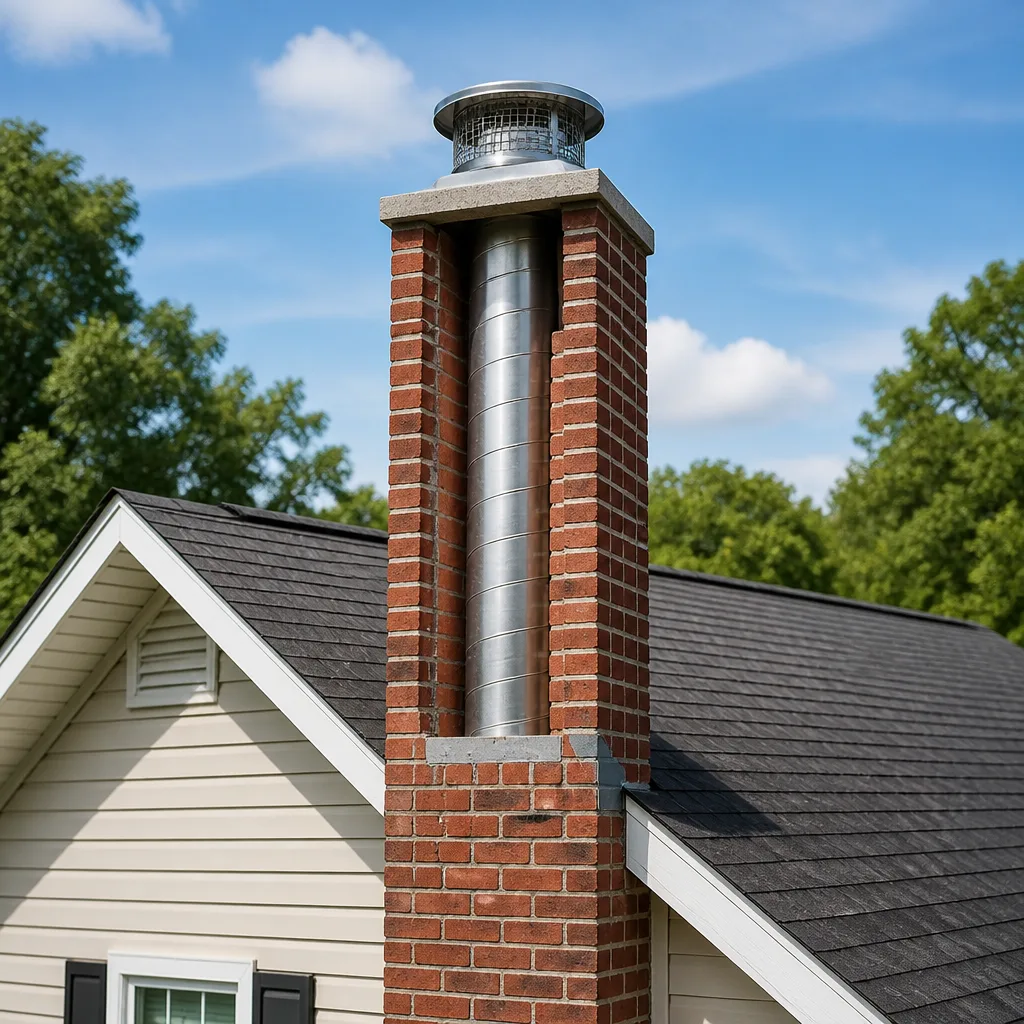 Flue relining
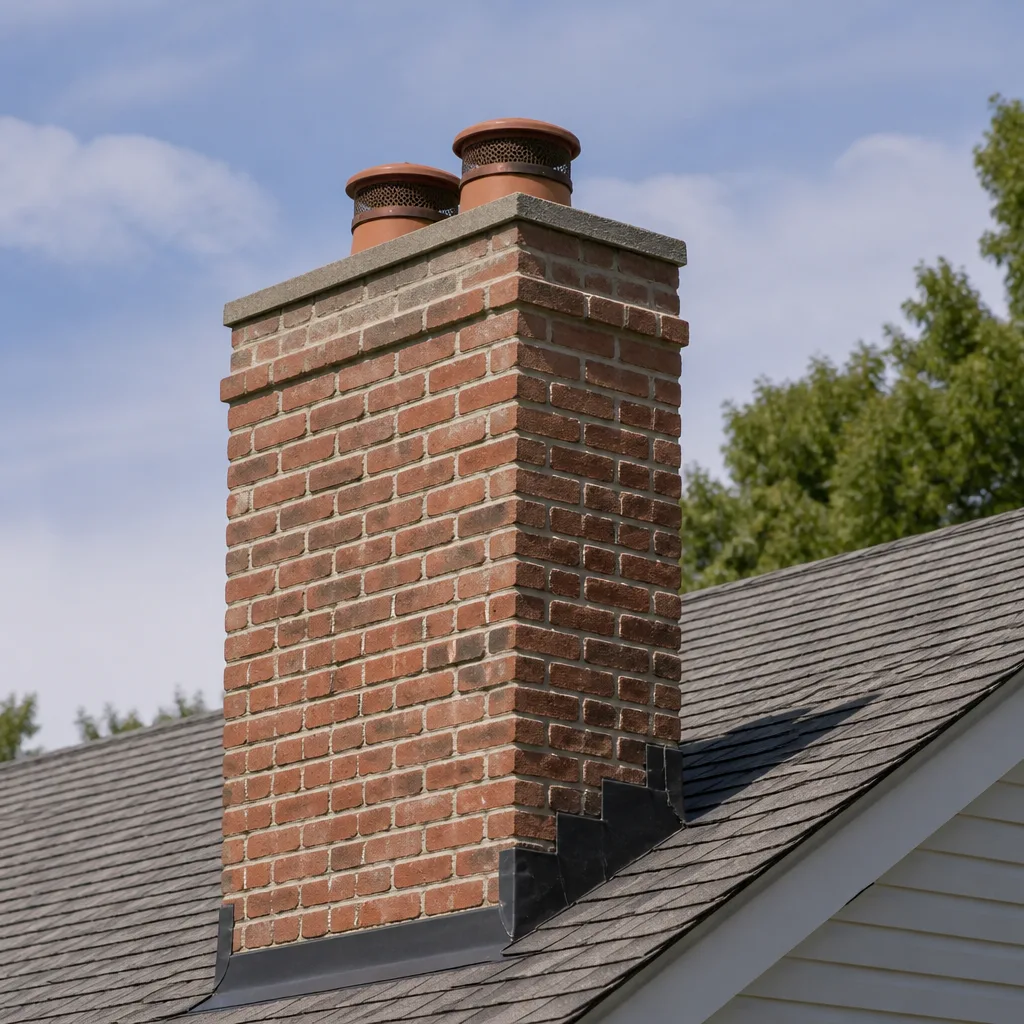 Masonry repair
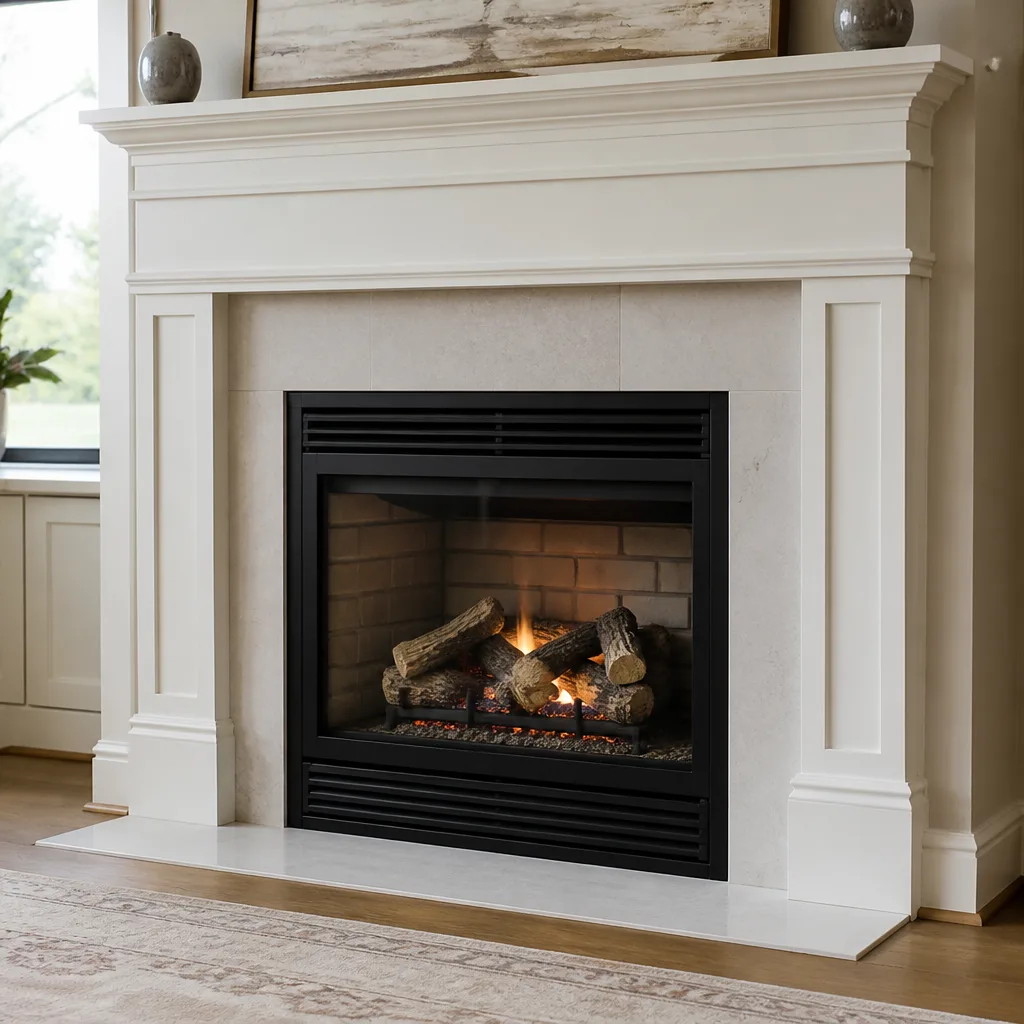 Gas fireplace service
Level 1 sweep and inspection to the NFPA 211 annual standard - flue, crown, cap, and flashing checked and photographed
Chimney sweep logs do not sweep chimneys. They loosen some creosote - which then falls where a brush and vacuum still have to collect it.
Chimney Sweep Maintenance Checklist for Salt Lake City Homeowners
A checklist you can’t use on a ladder or in front of your firebox isn’t a maintenance tool, it’s decoration. Most chimney checklists floating around online are copied from manufacturer PDFs and treat a 1920s bungalow off 9th and 9th the same as a new build in Daybreak with a gas insert. That’s not how a working sweep moves through a job. We inspect from the top down and the firebox up, in the order problems actually reveal themselves, and the checklist below follows that same path. You’ll learn what to look at, what each finding means, what you can do yourself, and what needs a trained eye. This is written for Salt Lake City homeowners who want to understand their chimney before they call anyone.
Quick Answer
A usable chimney maintenance checklist covers four zones in order: the exterior crown and cap, the flue liner, the damper and smoke shelf, and the firebox and appliance connection. Check each zone once a year before burning season and after any major wind event. Anything that points to a cracked crown, a damaged liner, or a blocked flue needs a professional inspection before you light a fire.
Styles & brands we work with
- Sweep & inspection
- Caps & crowns
- Flue relining
- Masonry repair
- Gas fireplace service
Table of Contents
- Start Outside: Crown and Cap Inspection for Freeze-Thaw
- Flue Liner Condition: What You Can See and What Needs a Camera
- Damper and Smoke Shelf: The First-Season Indicators
- Firebox and Hearth: Reading the Brick and Mortar
- Gas Log and Insert Checklist
- Creosote Stages and Sweep Frequency
- Documentation: Building a Service History That Matters
- Salt Lake City Seasonal Timing
Start Outside: Crown and Cap Inspection for Freeze-Thaw
Every professional sweep walks the roof line first because that’s where the freeze-thaw cycle does its damage. Salt Lake City sits in a valley where daytime winter sun can soften snowmelt on a south-facing chimney crown and a clear night drops it back below freezing. That melt-refreeze pattern repeats dozens of times between November and March. Water seeps into hairline cracks, expands, and widens them. By spring the crown looks worse than it did in fall, and the cycle didn’t need a single storm to do it.
Here’s how we read crown cracks:
- Hairline cracks under a coin’s thickness: usually cosmetic. Note them and watch for growth next season.
- Cracks wide enough to catch a fingernail, running radially from the flue: likely structural. Water is getting in and will reach the flue tile bond.
- Cracks with visible spalling or a crumbly edge: structural. The crown has lost its slope and can’t shed water anymore.
- Separation where the crown meets the flue tile: structural. This gap funnels water straight down the outside of the liner.
The cap is a separate item. A proper cap keeps rain, birds, and squirrels out while letting smoke escape. A missing or rusted-through cap on a Salt Lake City chimney is the fastest way to end up with a nest blocking the flue. Our chimney cap & crown service handles both when the reading calls for it.
What to look for from the ground
You don’t need to climb anything to run a first pass. With binoculars from the yard, look for missing cap mesh, a rusted cap top, visible cracks in the crown, or staining on the chimney’s exterior brick below the crown line. Staining below the crown is a strong sign water is getting past it. If you see any of those, that’s a call-first situation before you touch the firebox.
Flue Liner Condition: What You Can See and What Needs a Camera
The flue liner is the part most homeowners worry about and understand least. The liner is what carries combustion gases up and out. In a masonry chimney it’s usually clay tile; in a newer installation it may be a stainless system like DuraFlex. When it’s intact, gases go up and out. When it’s cracked or separated at the joints, gases and heat can reach the surrounding structure.
Here’s the honest split between what you can observe and what you can’t:
Observable at the firebox opening
- Chunks of clay tile or flaky white material on the smoke shelf
- Visible gaps between tile sections where the liner curves above the damper
- Heavy glazed creosote (shiny, tar-like) coating the visible flue throat
- Rust streaks or water stains on the firebox walls below the damper
- A strong smoky smell when the fire is out
Requires a camera inspection
- Cracks above the smoke chamber, out of sight from the firebox
- Offset tiles or a liner that has shifted behind the wall
- Hidden gaps at tile joints higher up the flue
- Creosote stage above the reachable zone
- The condition of any existing stainless liner
That second list is why a camera inspection matters. Our technicians have up to 15 years of experience reading flues with a camera and can show you the footage as we go. Every inspection we run produces a photo report you keep. Nothing is recommended that isn’t visible on that footage. If the liner is sound and the only issue is buildup, you’ll hear us say so.
When a liner does need replacement, it’s a materials decision, not just a labor decision. DuraFlex flexible liner systems are what we specify for many relining jobs because they fit the offset flue geometry common in older Salt Lake City homes. A generalist contractor without access to that product line would be handing you off to someone else anyway. This is one reason we keep the full lifecycle under one roof, from chimney sweep through relining.
Damper and Smoke Shelf: The First-Season Indicators
Before you sweep, run the damper. A damper that sticks is telling you something. Smoke leaking into the room on the first burn of the year, before you’ve swept, usually points to one of three things: a stuck-open damper, a smoke shelf loaded with debris, or a flue restriction above. Those are all first-season indicators that the chimney needs attention. None of them automatically mean a full sweep is overdue, but they mean a technician should look.
What we look at, in order:
- Open and close the damper fully. It should move without force and sit flush when closed. A damper that hangs open lets heat out and cold air in all winter.
- Reach a flashlight up above the damper into the smoke chamber. You’re looking for soot fall, leaf debris, or a bird nest.
- Look at the smoke shelf behind the damper. Debris accumulates there and reduces draft, which shows up as smoke roll-out into the room.
- Open a window a crack before lighting the first fire. If smoke still rolls out with fresh air available, the chimney has a restriction and needs a look.
A damper that closes properly but doesn’t seal is common in Salt Lake City homes with older top-sealing or throat-sealing dampers. Some can be adjusted; some are worth replacing. We’ll tell you which and quote both.
Firebox and Hearth: Reading the Brick and Mortar
The firebox is where the fire actually sits, and it takes direct heat on every burn. Masonry fireboxes are built with firebrick and a refractory mortar rated for the temperature. Over time the mortar joints between the firebrick crack and spall, and once that happens the fire is heating the wrong brick behind the firebrick. That’s a structural issue, not a cosmetic one.
What to check:
- Firebrick surfaces: hairline cracks that don’t move when pressed are usually fine. Cracks where pieces move, or chunks missing from the face, need repair.
- Mortar joints: look for receded joints between firebrick, especially at the back wall where the fire burns hottest.
- Hearth: check for cracks that let sparks through, especially on older heirstones poured in place.
- Metal firebox (prefab inserts): look for rust-through on the panels and warped seams.
For fireboxes where the brick is intact but the mortar has receded, HeatShield firebox repair resurfaces the firebox with a patented refractory material that restores the joint lines without a rebuild. Many sweep-only competitors don’t have access to that product, which is why we offer fireplace repair as a standalone service within the chimney trade. If the firebox is sound, the honest answer is that it doesn’t need repair. We’d rather tell you that than sell you a resurfacing you don’t need.
Gas Log and Insert Checklist
Gas appliances get skipped in almost every wood-burning guide, and that’s a problem because a growing share of Salt Lake City homes run gas logs or a gas insert as the primary fireplace. Gas burning is cleaner on the flue, but it carries its own maintenance points, and some of them are less forgiving than wood.
Run this checklist on a gas log set or gas insert each year:
- Smell check before the first burn. A faint gas smell at the fireplace with the burner off is a call-now item, not a checklist item. Gas line work belongs to a licensed technician, always.
- Look at the log placement. Logs that have shifted can send flame against metal or glass and cause sooting. The logs should sit where the manufacturer put them.
- Check the pilot flame. A soft, lazy yellow pilot is a sign of debris in the orifice; a crisp blue pilot is what you want.
- Inspect the glass and gasket on a sealed insert. Sooted glass means the burner is running rich or the vent is restricted.
- Inspect the vent. A gas insert’s vent can still collect debris, birds, or a nest. It needs the same annual look as a wood flue.
- Check for water intrusion. A missing or damaged cap lets water run down a metal vent, and rusted-through vent sections are one of the most common gas-insert failures we see in Salt Lake City.
Venting for gas appliances is often made by a manufacturer in the professional supply chain, and we stock or spec parts from lines like Olympia Chimney and Famco depending on what the appliance calls for. Replacement pieces should always match what the appliance manufacturer specifies.
Creosote Stages and Sweep Frequency
Creosote is the residue left behind when wood burns. It comes in three recognized stages, and knowing the stage changes what happens next.
- Stage 1: soot and light flaky deposits. A brush removes this easily. This is what a well-run, annually swept flue looks like.
- Stage 2: hard, crusty deposits. Brushable but requires more work. This stage means the burn habit needs attention. Wet wood, a cool flue, or restricted air are the usual causes.
- Stage 3: glazed, tar-like deposits. This needs professional removal and can’t be done safely with a standard brush alone. Stage 3 is why the phrase “chimney fire” exists, and it’s why we treat the stage as a finding, not a footnote on the invoice.
How often to sweep: once a year is the default, and it’s the answer whether or not the flue looks clean from the firebox. Wood-burning homes that burn frequently may need it more often. Gas appliances also benefit from an annual look, even though they don’t produce creosote the way wood does. If you skipped a year, don’t panic; sweep it before the next burn season starts and treat that as your reset.
Fireplaces here get used from roughly October through March, but the checkup belongs in the shoulder season, in September. Sweeping then gives you a clean flue all winter, and it catches crown and cap issues before ice makes the roof work harder than it needs to be. September also books more easily than a cold snap in January, and a chimney that’s clogged on the first cold night of the year is a bad start.
Documentation: Building a Service History That Matters
A chimney record sounds like paperwork. It’s actually your evidence. If a home sale goes through and a buyer’s inspector flags the chimney, or if an insurer asks about the last inspection, a documented service history is worth more than the sweep itself. It’s why every inspection we run produces a written report with photos, and why we tell customers to keep it with the home file alongside HVAC records.
Record these fields every time the chimney is serviced:
- Date of service
- Technician company and name on the invoice
- Type of service (sweep, inspection, repair, cap/crown)
- Creosote stage observed
- Materials and brands used (for example, which liner system, which repair product)
- Photographs for the inspection file
- Recommended next action
The materials-and-brands field matters more than it sounds. If a repair used a DuraFlex liner system, an Olympia Chimney cap, or a HeatShield firebox resurfacing, having the product name on the record helps the next technician and helps any buyer’s inspector understand the chimney. A history of professionally documented work is stronger than a stack of receipts with hand-written notes.
Our inspection service is designed for exactly this: pre-sale, post-purchase, insurance, and annual safety documentation. A safe chimney is a documented chimney. If you’re buying or selling a home in Salt Lake City, a written inspection with photos is the cleanest way to close out a chimney question.
Salt Lake City Seasonal Timing
The Salt Lake Valley has a real winter with real freeze-thaw, and it also has a burn season that runs from roughly October into spring. Both of those facts change the timing of a chimney checklist compared to a mild-winter city.
- September: run the annual sweep and inspection before the first burn. The roof is still workable, and any repairs can be scheduled before weather makes them slow.
- October through March: run the first-season checks. Stuck damper, smoke roll-out, and odd smells are the usual calls.
- April and May: recheck the crown and cap after winter. Cracks that were cosmetic in fall may be structural by spring after a full freeze-thaw cycle.
- Before selling: order an inspection for the sale file. It’s the cheapest item on a pre-sale walkthrough that can actually prevent a deal-killing surprise.
Salt Lake City homes range from pre-war bungalows in Sugar House and 9th and 9th to newer builds out toward Daybreak and the west side, and the checklist covers all of them. Older masonry chimneys tend to show crown and liner issues first. Newer homes with a stainless liner often need the cap and the appliance venting checked instead. Same checklist, different weight.
Common Mistakes to Avoid
- Judging the flue only by what you can see from the firebox. The most dangerous cracks live in the smoke chamber and above, where no flashlight can reach. A camera inspection exists for exactly this reason.
- Calling a generalist handyman for a chimney sweep. Chimney work is a trade. A generalist without the right brushes, cameras, and product supply chain ends up either under-cleaning or handing you off to a second contractor mid-project.
- Burning wet or unseasoned wood. It’s the fastest way to accelerate into Stage 2 creosote, and it wastes a good fire. Wood that hisses or smolders instead of burning is too wet.
- Ignoring a cap after a wind event. A missing cap becomes a nest becomes a blocked flue becomes a fire risk, usually in the same season.
- Assuming the crown that looked fine in fall is still fine in spring. Salt Lake City’s freeze-thaw cycle works on the crown all winter. A spring walkaround catches the difference.
- Skipping the annual sweep because “it was clean last year.” A flue that was clean last year can accumulate enough in one season to matter. The sweep confirms.
- Not keeping records. An undocumented sweep is worth much less than a documented inspection at resale time or in an insurance conversation.
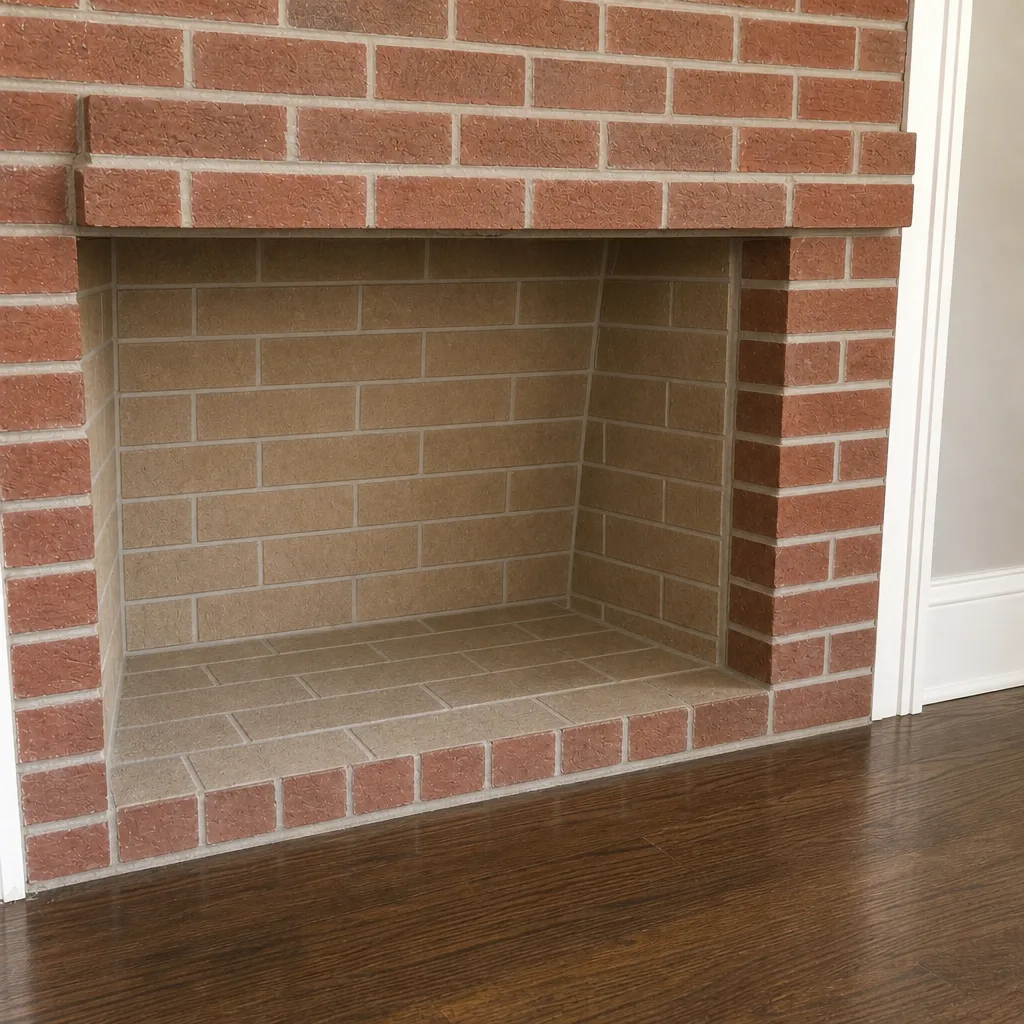
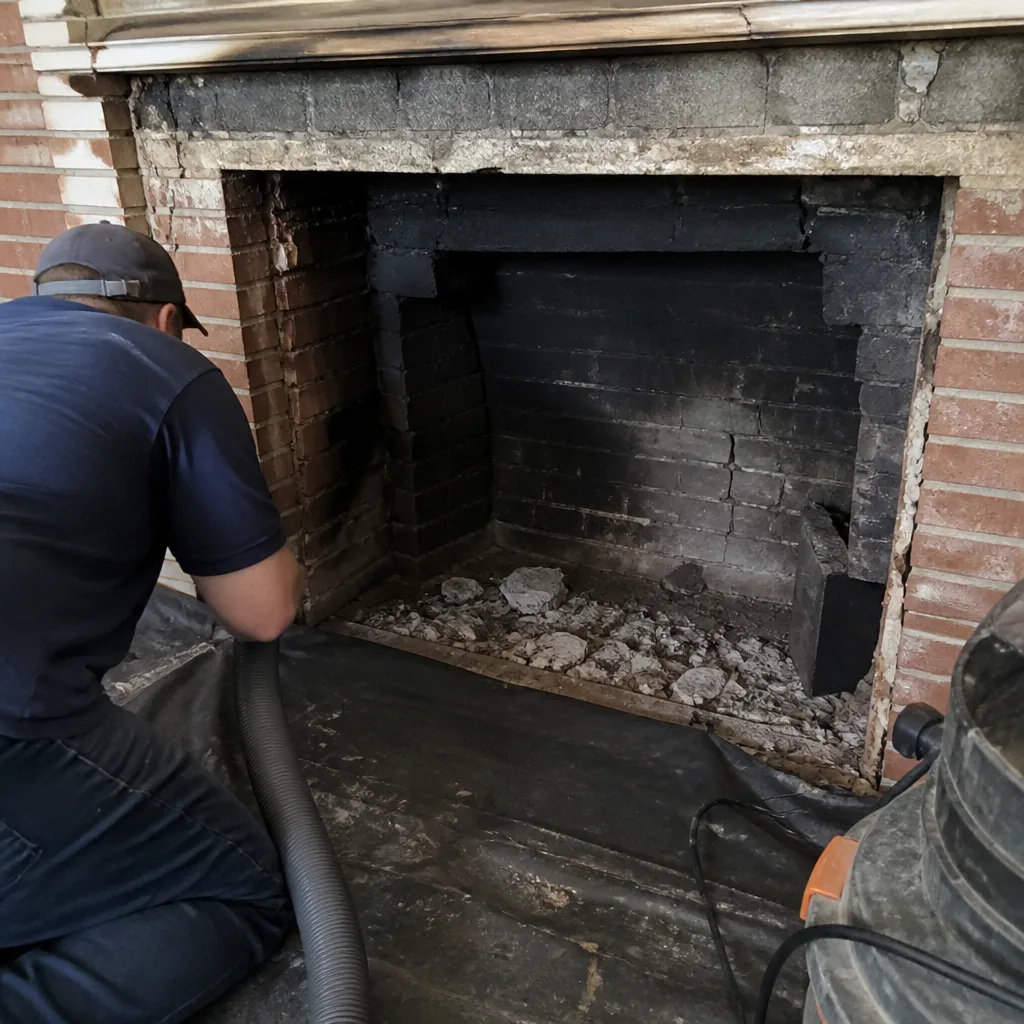
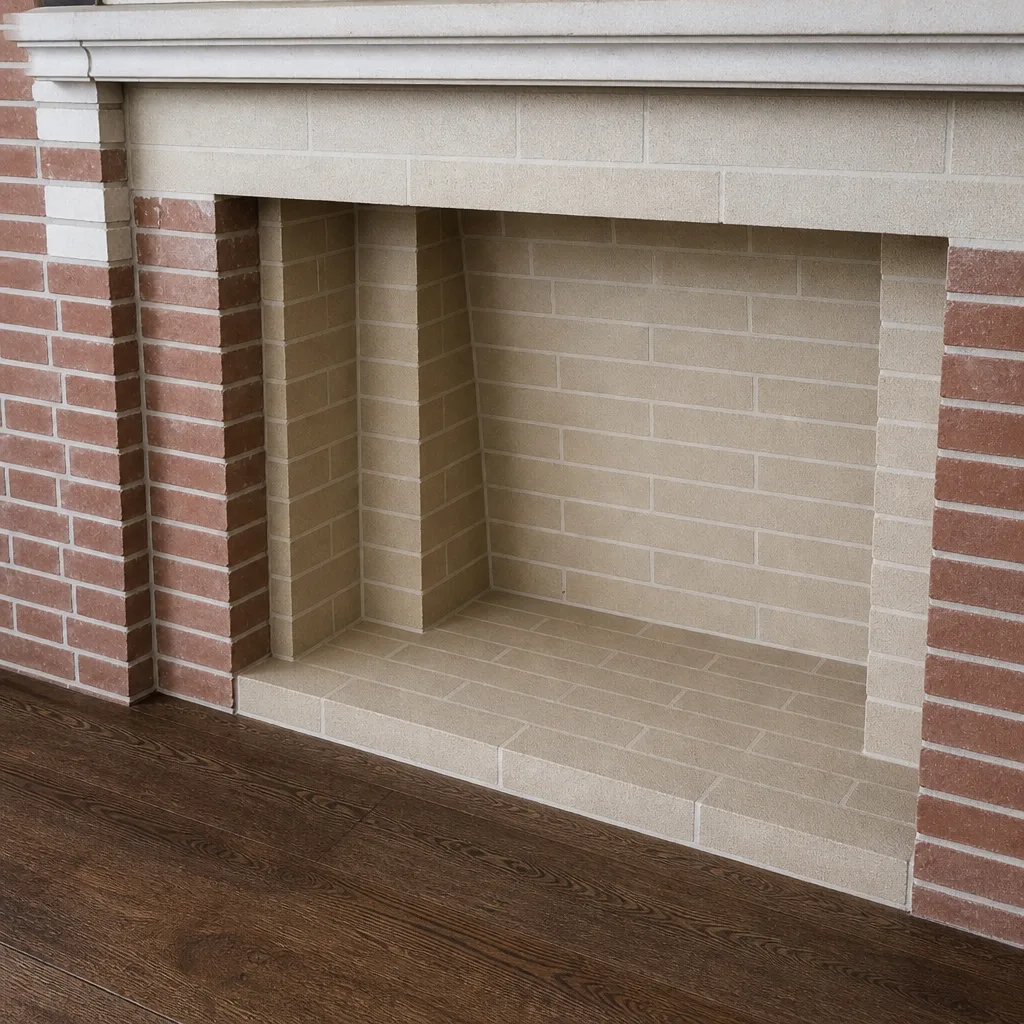
See the difference
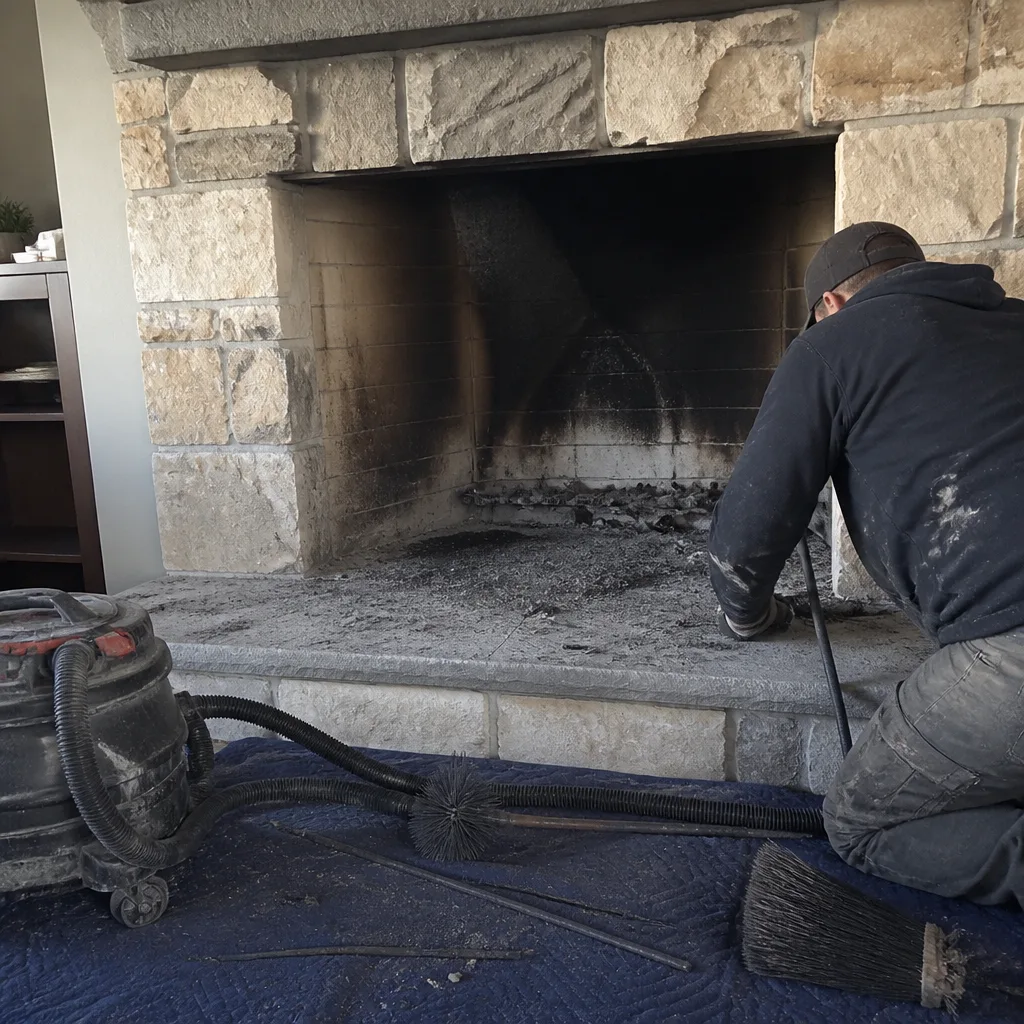 Before
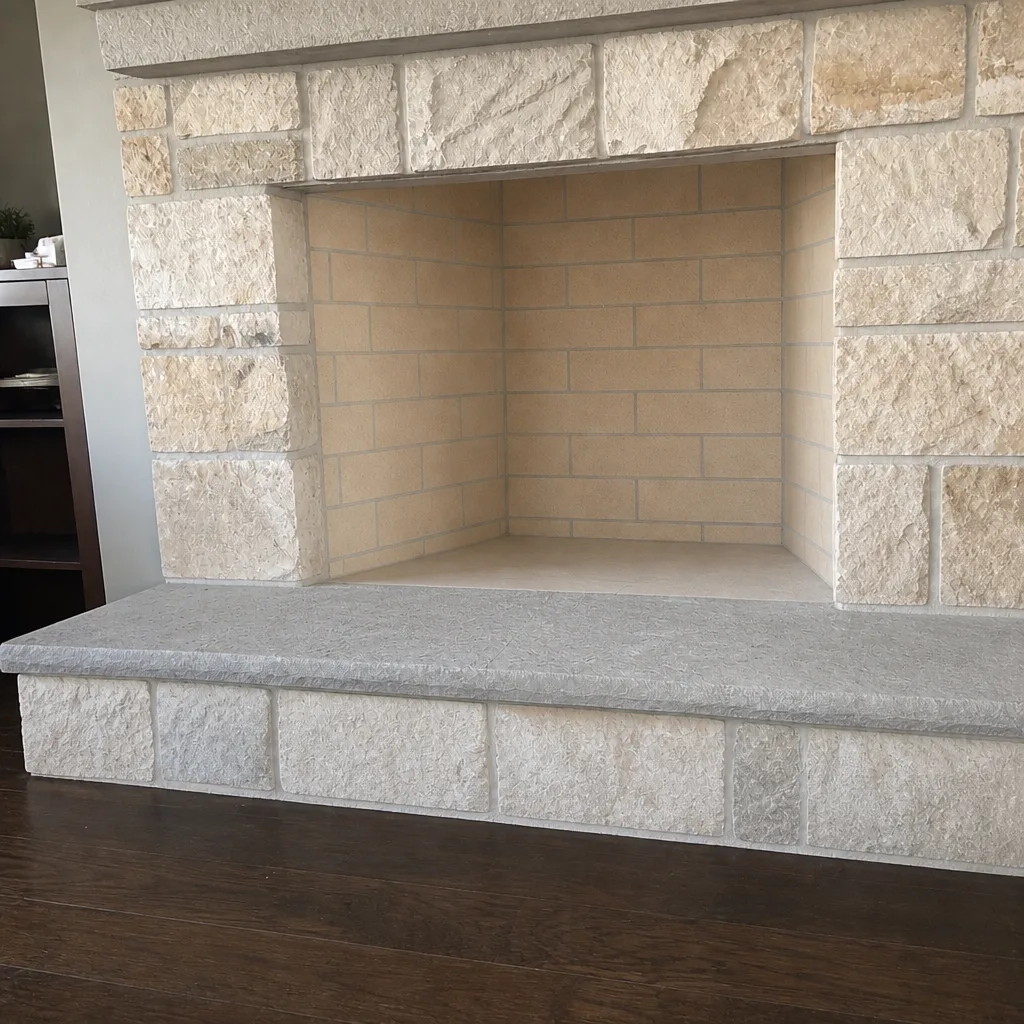 After
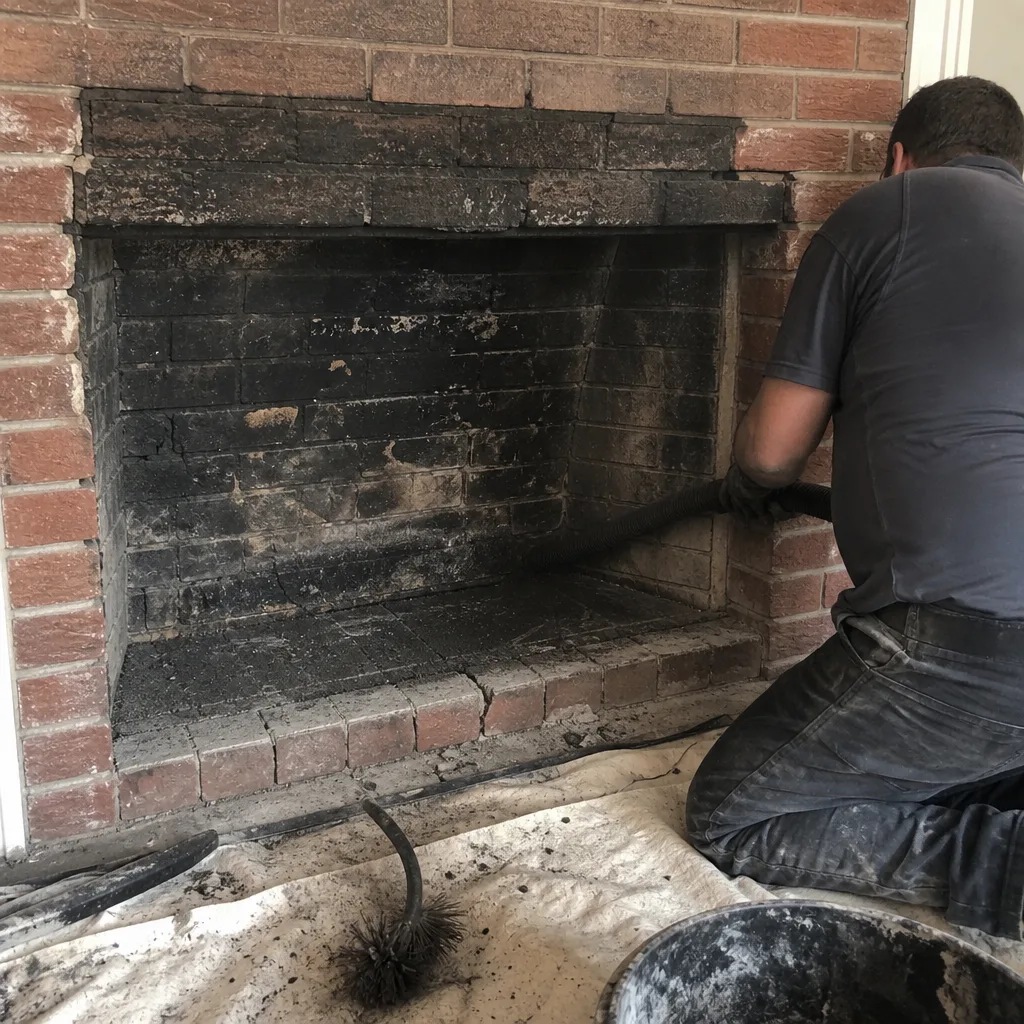 Before
 After
 Before
 After
When to Call a Professional
Bring in a professional the moment any of these show up: visible smoke rolling into the room on a normal burn, chunks of masonry or flaky material at the firebox, a strong gas smell near a gas log set, a missing cap or a rusted-through vent, water staining below the crown, or an inspection that’s been deferred for more than a year. Those aren’t DIY-priority items. Burning through them risks a fire or carbon monoxide problem. We can’t overstate the safety of a professional look on those specific findings.
Salt Lake City Chimney Sweep Pros offers free estimates in Salt Lake City. Our technicians have up to 15 years of experience, and every inspection includes a camera pass and a photo report. Call (844) 443-4875. We answer 24/7. Fast dispatch from 7am to 7pm, Sunday through Friday. Book before burning season starts and you’ll have a documented chimney going into winter instead of a question mark.
Frequently Asked Questions
Once a year for most wood-burning homes, timed for the shoulder season before burning starts. Homes that burn frequently or use wet wood may need it more often. Gas appliances still get an annual look even though they don’t produce creosote the way wood does. Call (844) 443-4875 for an exact quote on a sweep in Salt Lake City, estimates are free.
Pricing is set per job by a written estimate, based on the appliance, the flue configuration, and the stage of buildup found. Every estimate is free. Call (844) 443-4875. We answer 24/7. Fast dispatch from 7am to 7pm, Sunday through Friday.
Only if the camera inspection shows a failed liner, and you’ll see the footage yourself. A liner that’s sound and just carrying buildup doesn’t need replacing; it needs a sweep. We don’t recommend a new liner without camera evidence you can look at. Call (844) 443-4875 if you’ve been told you need one and want a second look.
Creosote keeps building up, and Stage 2 or Stage 3 deposits are what turn a routine maintenance item into a chimney fire risk. A blocked flue also backs carbon monoxide into the home. Skipping a year isn’t automatically a disaster, but skipping several compounds the problem. Call (844) 443-4875 to reset with a sweep before the next burn season.
In our experience, hairline cracks are often watch-and-wait, and wider cracks with spalling or separation at the flue tile usually call for repair or replacement. Crown repair products from Copperfield and similar lines are used on both masonry and metal crown applications. Call Salt Lake City Chimney Sweep Pros for a look, and we’ll tell you which category you’re in, estimates are free.
It’s not usually required by government code, but it’s the cleanest way to close out a chimney question before a buyer’s inspector raises it. A written inspection with photos gives you and the buyer one document both can read. Call (844) 443-4875 to schedule a pre-sale or post-purchase inspection.
The Bottom Line
The checklist you can actually use runs from the roof to the firebox in order: crown and cap, flue liner with camera, damper and smoke shelf, firebox and hearth, and gas appliance venting. Do it once a year before burning season, recheck the crown in spring after Salt Lake City’s freeze-thaw has done its work, and keep the record. Every finding should be visible to you, not just described to you. That’s the standard we work to, and it’s the reason a written inspection beats a verbal “looks fine.” If you only take one thing from this guide: a documented chimney is a safer chimney, and the documentation is what protects you when a buyer, an insurer, or your own family asks about the fireplace. Our team handles the full chimney and fireplace range, and the sweep to full structural repair is the same phone call.
If you’ve read this far and you’re not sure where your own chimney lands, call us. Salt Lake City Chimney Sweep Pros offers free estimates in Salt Lake City. Call (844) 443-4875. We answer 24/7. Fast dispatch from 7am to 7pm, Sunday through Friday. We’ll walk the checklist with you and show you what we see.
For more on who we are and how we work across Salt Lake City, visit Salt Lake City Chimney Sweep Pros.
Written by the team at Salt Lake City Chimney Sweep Pros.