
Last updated November 25, 2026
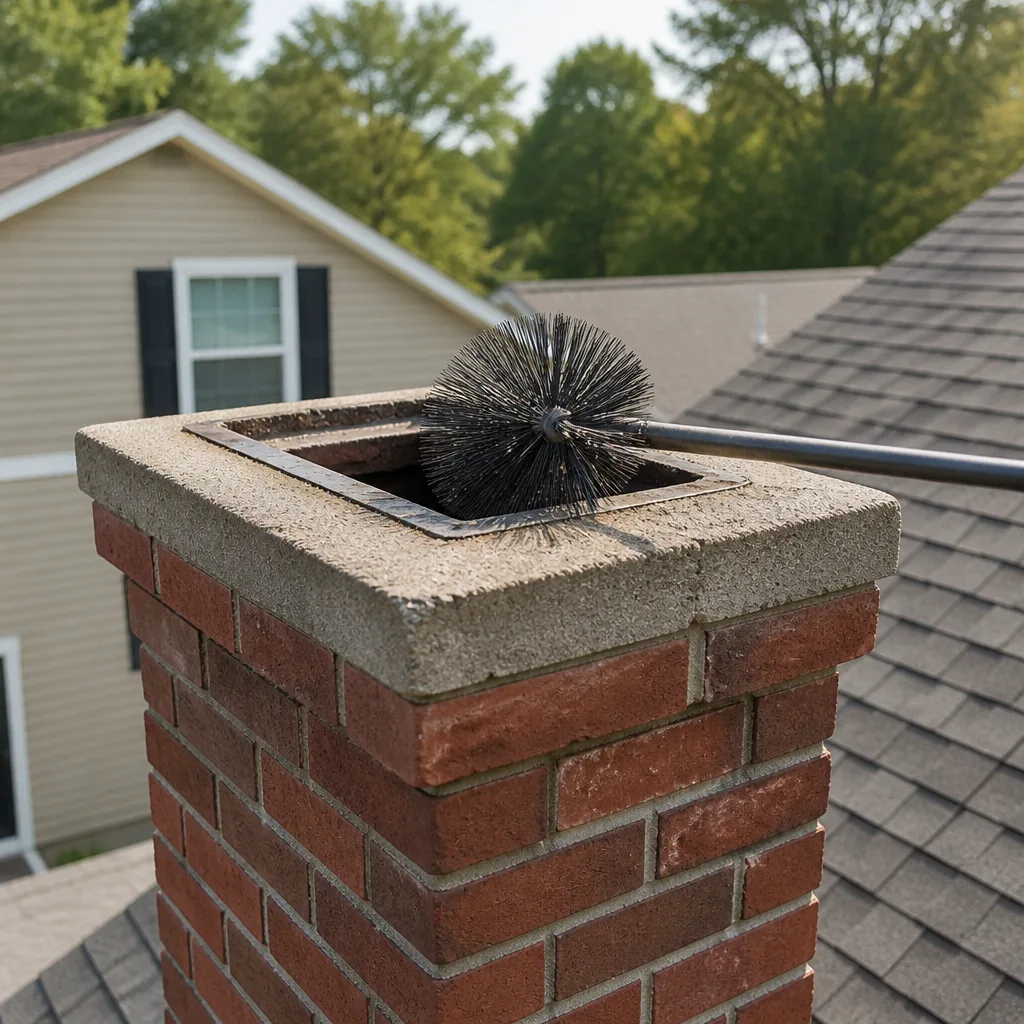 Sweep & inspection
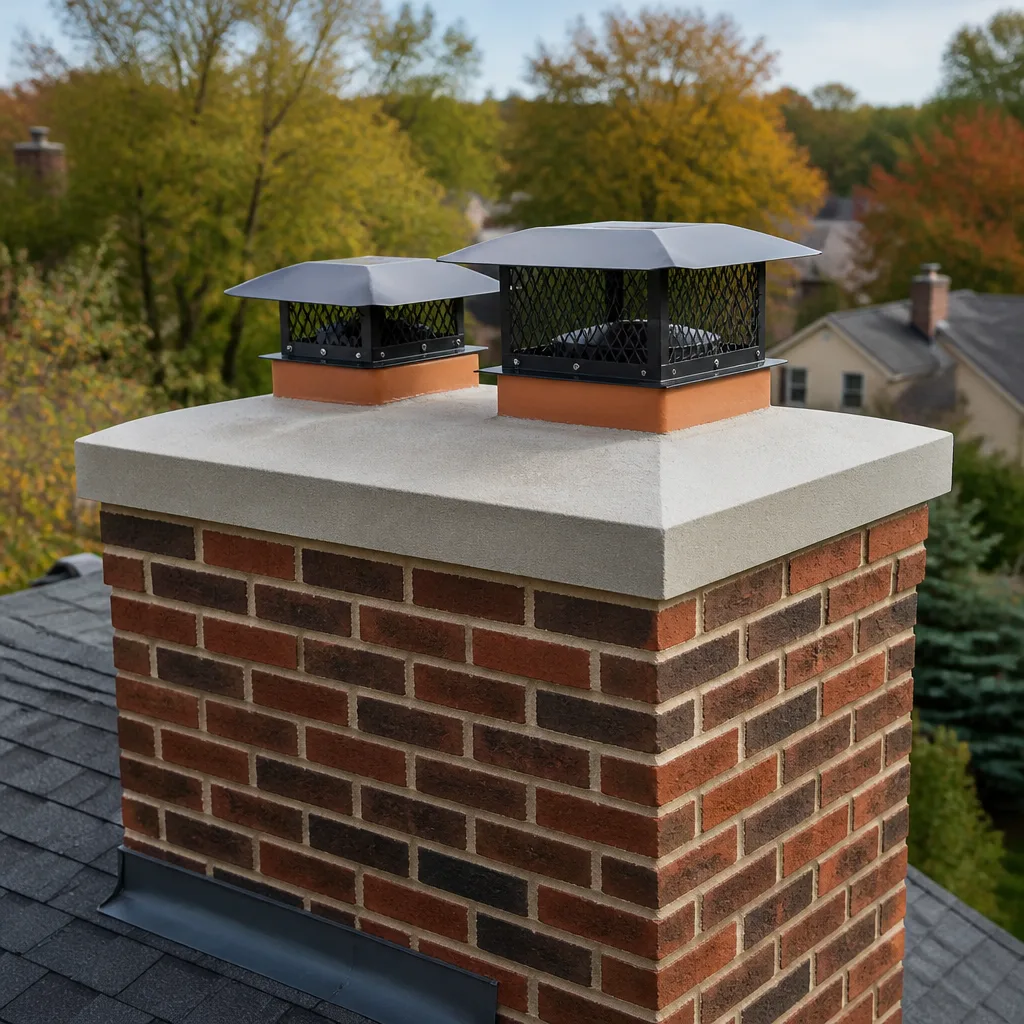 Caps & crowns
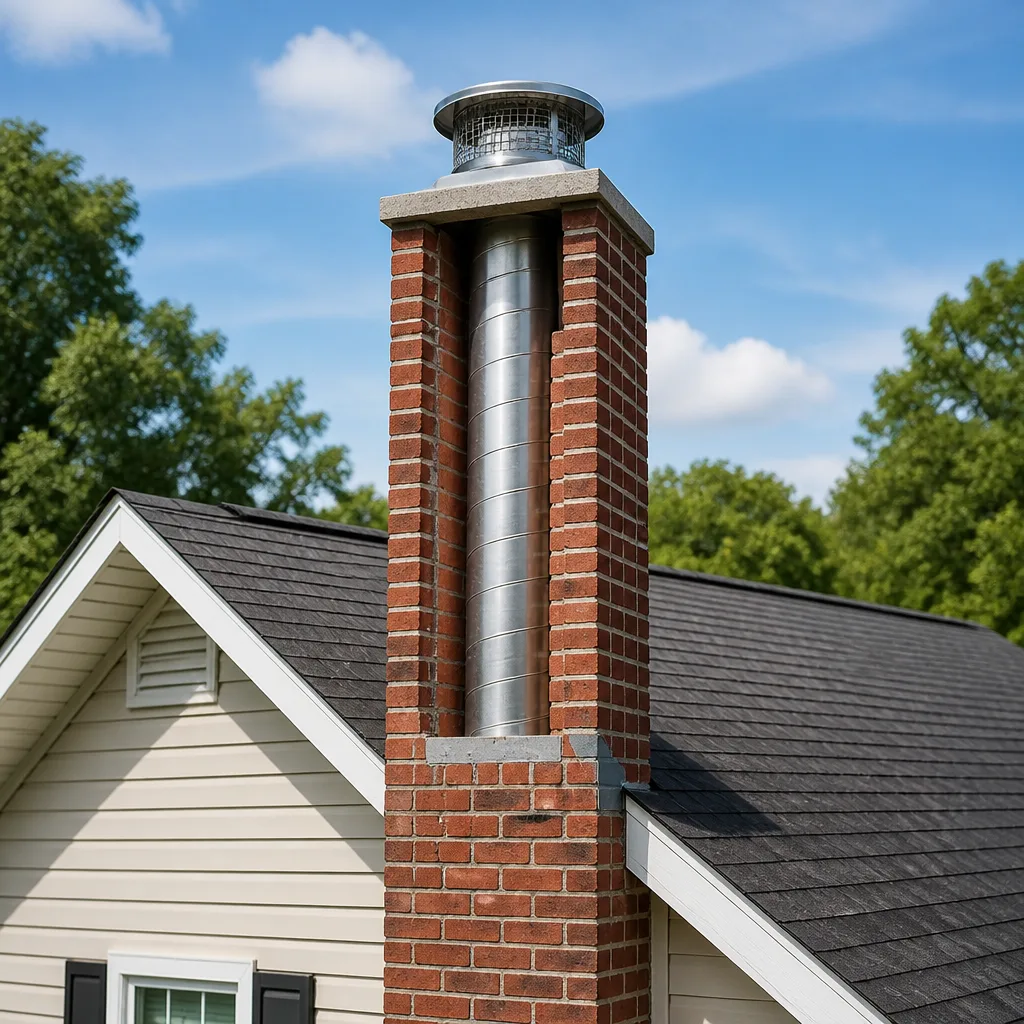 Flue relining
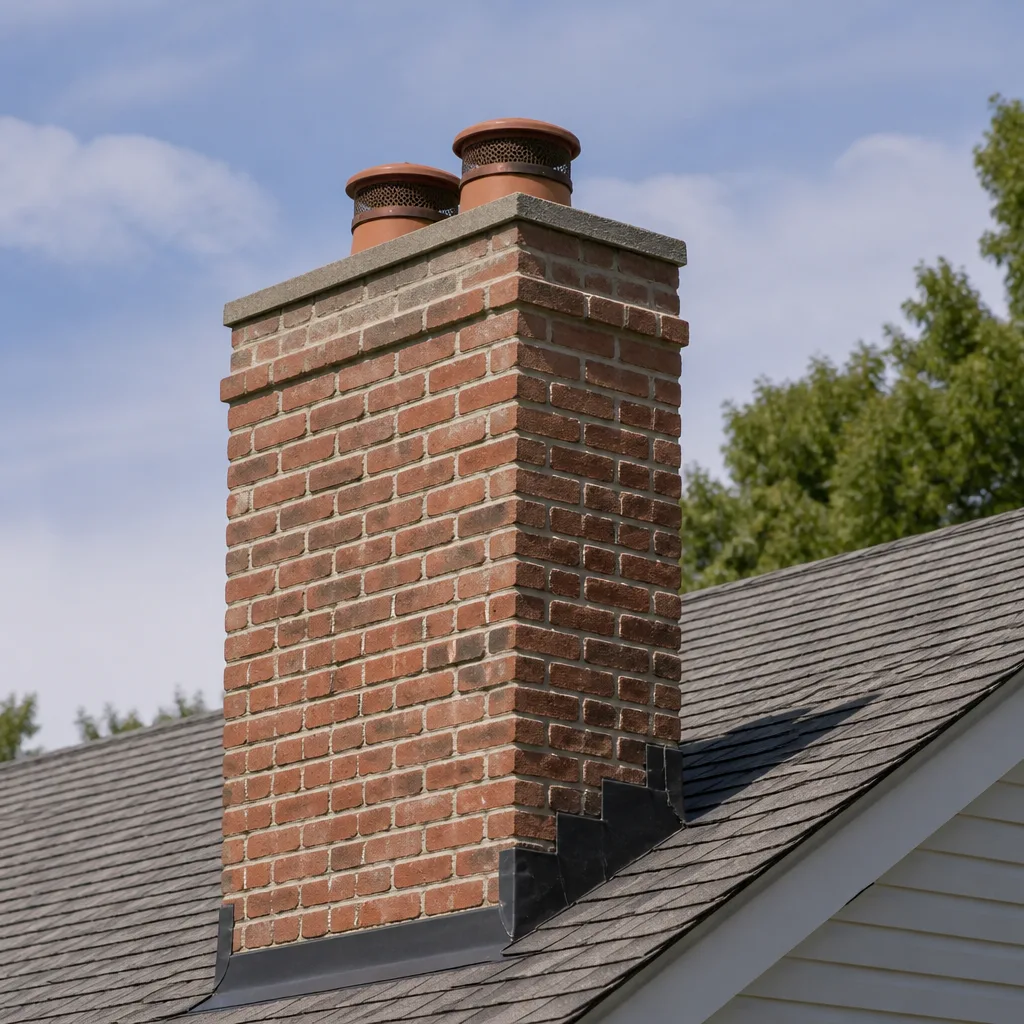 Masonry repair
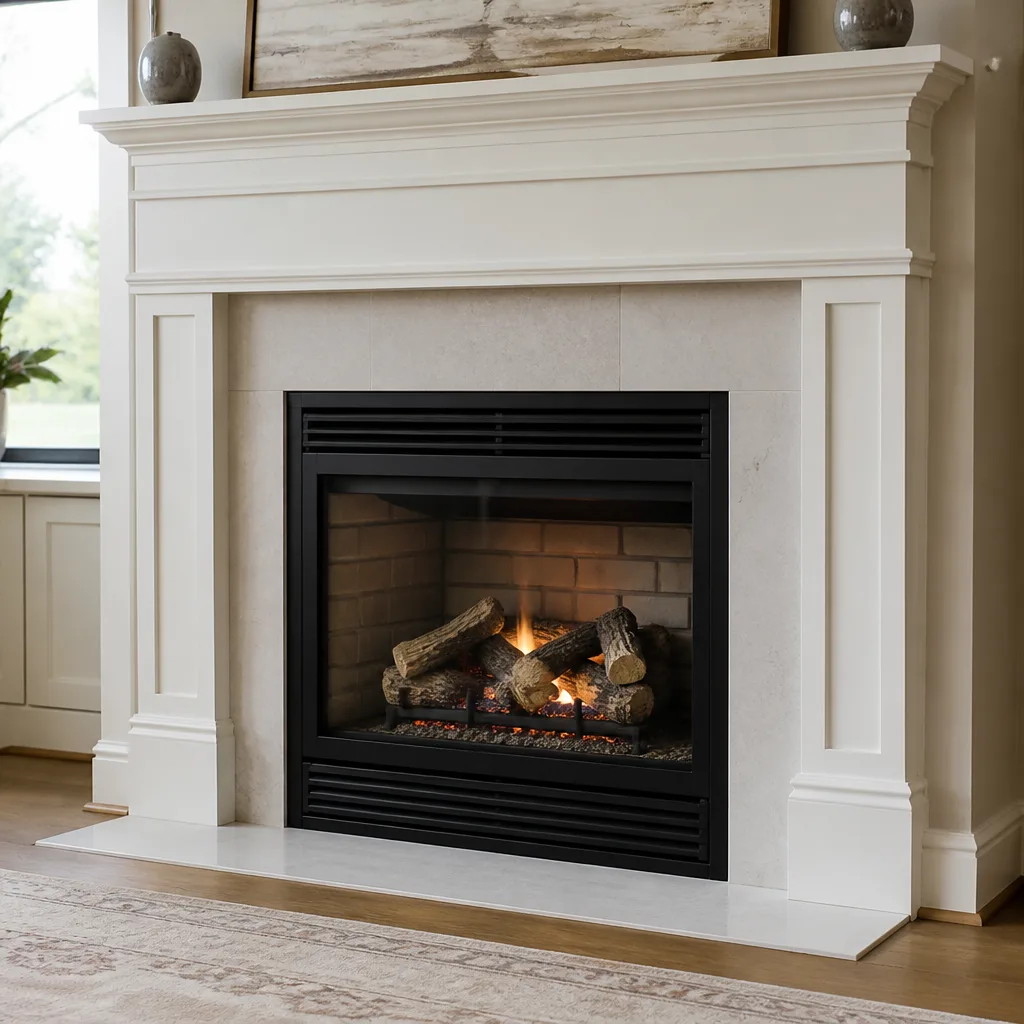 Gas fireplace service
Level 1 sweep and inspection to the NFPA 211 annual standard - flue, crown, cap, and flashing checked and photographed
Chimney sweep logs do not sweep chimneys. They loosen some creosote - which then falls where a brush and vacuum still have to collect it.
Chimney Cleaning Warning Signs: A Salt Lake City Homeowner’s Reference Guide
Most homeowners read their chimney by smell and smoke. That approach misses half the story. A musty odor in the middle of July, when you haven’t burned a stick of wood since spring, isn’t a cleaning reminder. It’s a signal about moisture working its way through creosote or masonry, and possibly about the liner behind it. A rattle in the flue during a windstorm points at a cap, not a need for a sweep. This guide connects what you can actually see, smell, and hear to the probable mechanical cause behind it, so when you call a sweep in Salt Lake City you can describe the symptom precisely instead of saying something feels off.
Quick Answer
The most reliable chimney cleaning warning signs are a strong smoky odor that lingers after burning season, black or glazed creosote visible on the flue walls, smoke rolling back into the room when you light a fire, and staining or white powder on the exterior masonry. Any one of these means the chimney needs inspection before the next burn. Our technicians have up to 15 years of experience reading these signals, and we inspect before we sweep.
Styles & brands we work with
- Sweep & inspection
- Caps & crowns
- Flue relining
- Masonry repair
- Gas fireplace service
Table of Contents
- What Do the Three Creosote Stages Actually Look Like?
- Draft Problems vs. Combustion Problems
- What Exterior Staining, Spalling, and Efflorescence Tell You
- Sounds and Falling Debris: Cap, Liner, and Crown Clues
- Gas Fireplace Warnings That Wood-Burning Guides Skip
- Why Salt Lake City’s Burn Season Creates Specific Signs
- A Homeowner’s Observation Checklist
- What You Can Spot Yourself vs. What Needs a Camera
What Do the Three Creosote Stages Actually Look Like?
Creosote builds in recognizable layers, and each stage has a different choke point for cleaning. Understanding the stages helps you describe what you’re seeing when you open the firebox door and shine a light up the flue.
Stage 1: Soot and Soft Flakes
First-stage creosote looks like black dust, loose soot, and flaky bits that come off on a finger. It’s the normal residue of a season’s burning and it’s the easiest to remove. When you can brush it away with a hand brush, the chimney is ready for a standard sweep. This stage is what most Salt Lake City homeowners see when they peek up a flue that was last cleaned a year or two back.
Stage 2: Crusty, Brittle Deposits
Second-stage creosote has hardened into a crust. It flakes off in chips and feels like dried peanut brittle. You can see it near the damper and the first few feet of flue. A standard sweep handles most of it, but the technicians will let you know if the crust extends deeper than a brush can address. This stage tends to show up when the wood has been wet or the fire has run cold and smoldering.
Stage 3: Glazed, Tarry Creosote
Third-stage creosote is the one that causes chimney fires. It looks like shiny black glass or hardened tar on the flue walls. It can’t be brushed off; it needs chemical treatment or mechanical removal. In our experience, this stage is the one homeowners most often miss because it hides above the firebox where a flashlight can’t reach. A camera inspection is the only reliable way to see it. If your damper or firebox has a glossy, resinous coating, that’s the visual cue to schedule an inspection.
What to Notice From the Firebox
- Dust, soot, flakes: typically stage 1
- Crusty chips near the damper: typically stage 2
- Glossy tar or black glass: stage 3, needs inspection
- Heavy soot on the firebox walls: burn inefficiency, worth a look
Draft Problems vs. Combustion Problems
Smoke in the room isn’t always a cleaning sign. Sometimes it’s a draft problem, where the chimney can’t pull enough air. Sometimes it’s a combustion problem, where the fire itself is starved or badly sized. Telling the two apart saves you a wasted call, or worse, misses a structural issue.
Signs of a Draft Problem
A draft problem shows up as smoke rolling back into the room when you first light the fire, then clearing once the flue warms. You may also smell smoke on cold mornings before you burn anything, or see the fire fight for air. A chimney that’s too short for the roofline, a flue that shares a chase with another appliance, or a house that’s too tightly sealed in winter can all cause weak draft.
Signs of a Combustion Problem
A combustion problem shows up as a fire that smolders instead of burning, wood that hisses, or a firebox full of black soot. The fire is producing too much smoke for the flue to carry. Wet wood is the usual culprit, and it’s common in Salt Lake City where homeowners buy firewood in fall or burn yard wood that hasn’t finished seasoning. The fix is often better fuel and airflow control, not a chimney service.
How to Tell Them Apart
- Watch the smoke at first light-up. If it clears within a few minutes, draft is likely fine.
- Notice the fire behavior. Bright, clean flame suggests combustion is fine; smoldering coals suggest fuel or air trouble.
- Check the flue top visually. A missing or damaged cap changes draft as much as a dirty flue can.
- If smoke rolls back and the cap looks intact, it’s worth a professional inspection to look for flue blockages or a height issue.
Structural issues behind draft trouble are the reason we handle chimney cap & crown work in-house. A cap or crown correction often fixes what feels like a draft problem and stops water from getting into the flue at the same time.
What Exterior Staining, Spalling, and Efflorescence Tell You
The outside of the chimney is a moisture map. Each pattern of stain or damage points to a specific pathway where water is getting in. Reading it correctly points you to the right repair rather than the wrong one.
White Powder (Efflorescence)
A chalky white deposit on brick is efflorescence. It’s salt pushed to the surface by water moving through the masonry. On its own it’s cosmetic, but it’s evidence that moisture is traveling through the brick. In Salt Lake City, where freeze-thaw cycles in winter do most of the damage, efflorescence on a chimney is the first thing to check before the real cracking starts.
Spalling Brick
Spalling is when the face of a brick pops off or flakes away. It happens when trapped moisture freezes, expands, and breaks the brick face. Spalling brick on the chimney crown, the shoulders, or the top courses is a sign of a cracked crown or failed flashing above. Left alone, it moves from the surface into the brick core, and the repair cost climbs with it.
Rust and Dark Staining
Rust streaks below the cap, brown staining below the crown, or dark streaks running down the brick usually mean water is running down the flue or dripping through a rusted chase cover. In a gas-burning fireplace, staining on the exterior masonry can also be condensation from the flue gases. Both cases point to moisture that has already entered the chimney structure.
Why This Matters in Salt Lake City
Salt Lake City’s cold, dry winters and late-summer thunderstorms combine to test masonry walls. Water seeps in during a monsoon-season rainstorm, then freezes hard overnight in January. The repair you avoid in fall becomes a crown replacement by spring. A camera inspection and photo report tells you exactly which pathway needs sealing. Without those photos, you’re guessing.
Sounds and Falling Debris: Cap, Liner, and Crown Clues
Most chimney problems announce themselves before you ever see staining. The noises you hear are diagnostic. A chimney is a hollow column attached to a house, and any sound coming from it has a probable source.
Falling Material
Soot falling down into the firebox is normal during a sweep. Chunks of brick, mortar, or clay tile falling down are not. In our experience, mortar crumbs mean the crown or the flue joints are breaking down. A Clay tile that lands intact in the firebox is a sign the liner is losing pieces. If you hear material falling when nothing is burning, schedule an inspection before you light another fire.
Animal Sounds
Rattling, scratching, or chirping from the chimney means an animal is in the flue. This almost always means a missing or damaged cap. Birds, squirrels, and occasionally raccoons use uncapped chimneys as a den. Removal is a real service, not something to handle by opening the damper and hoping the animal leaves. Caps are what keep them out in the first place.
Airflow and Whistling
A whistle or roar during a fire suggests the flue is partly blocked or the fire is drawing harder than the flue can handle. A hollow sound during a windstorm can indicate a loose cap or chase cover. Any new noise that starts after a storm is worth noting for the next inspection.
What Sounds Point to What
- Scratching or chirping: animal in the flue, likely missing cap
- Falling chunks: failing interior liner or crown
- Whistling during a fire: restricted flue or drafting issue
- Rattle in wind: loose cap or chase cover
Gas Fireplace Warnings That Wood-Burning Guides Skip
Gas fireplaces don’t produce creosote, but they do produce warning signs, and the mechanism is different. If your gas fireplace is misbehaving, the problem may not be in the appliance at all. It’s often chimney-side.
Pilot Outages
A pilot that keeps going out for no obvious reason can mean weak draft. The chimney isn’t pulling spent gases up and out, so they spill into the room and snuff the pilot. A blocked or partially collapsed liner is one cause. A damaged cap is another. Either way, a pilot that quits repeatedly in a Salt Lake City home should be checked by a chimney specialist as well as an appliance technician.
Delayed Ignition
A pause before the burner lights is a combustion concern. Gas collects, and when it does light it can flare. This is a safety issue, not a maintenance annoyance. If your gas fireplace has a delay or burps on ignition, don’t keep using it while you figure it out. Call a licensed professional.
Soot on the Glass
Black soot on the fireplace glass isn’t always an appliance problem. Improper air mix, dirty burners, or restricted venting will all deposit soot on the glass. Before you replace the log set or call a gas fitter, check the venting. A camera inspection reveals whether the flue or the vent termination is the culprit.
When We Recommend a Chimney-Side Look
- Pilot outages repeat more than once or twice a month.
- Delayed ignition or a poof when the burner lights.
- Black soot on the glass within a few burns.
- Any smell of gas in the room (call your gas utility first).
- Water staining or rust around a direct-vent gas chimney.
Why Salt Lake City’s Burn Season Creates Specific Signs
Chimney problems in Salt Lake City follow a seasonal rhythm that’s not obvious from generic chimney advice. Our burn season runs roughly October into March, and the signs you should be looking for shift with it.
Before the First Burn
The signs to catch in September and October are the ones left over from last winter. A chimney that stayed damp all summer will smell smoky the first time you open the damper. That smell is moisture releasing from creosote, not a cleaning cue on its own. The test is whether the smell clears after one burn or lingers for weeks. If it lingers, the moisture is in the masonry or the liner, and it needs an inspection.
Mid-Season
By January, cold roofs and warm flues are producing heavy condensation on the cap, the crown, and the upper flue. That condensation is why winter is the season when spalling and efflorescence first appear. Homeowners often call us in late January about a white powder on the chimney that wasn’t there in October. That’s the moisture getting through.
After the Last Burn
Spring and summer are when creosote that built up all winter has a chance to absorb moisture and turn acidic against the flue. The July smoky smell that opened this guide is a real signal of that chemistry. It’s also the reason spring and early summer are the best times to schedule an inspection: the chimney is quiet, the signs are readable, and any repair has time to cure before burn season returns.
A Homeowner’s Observation Checklist
Before you call, run through this list and write down what you notice. The details make a difference when a technician arrives in Salt Lake City.
- Smell: Smoky or musty odor? Only when burning, or between burns?
- Firebox: Any soot, flakes, crust, or glossy tar?
- Fire behavior: Lights easily or fights for air? Burns bright or smolders?
- Smoke: Any rollback at start-up, or spills during the burn?
- Exterior masonry: White powder, dark stains, or brick faces popping?
- Sounds: Falling material, animal noises, or whistling during wind?
- Room air: Any puff or smell when the appliance ignites?
- Cap: Visible from the ground? Intact, rusted, or missing?
Bring the list to the appointment. It tells the technician what to inspect closely, and it helps you verify the work afterward against the photo report.
What You Can Spot Yourself vs. What Needs a Camera
You can see more than you think, but not as much as a camera can. Knowing the boundary between what you can check and what needs a professional inspection saves you a lot of guesswork. A camera inspection and photo report is worth the price because the photos are the proof.
What You Can Check
- Firebox surface condition, up close
- Damper operation
- The first few feet of flue, if you can see up it
- Cap and crown from ground level
- Exterior masonry staining and spalling
- Hear the appliance, and notice smells and drafts
What Needs a Camera
- Stage 3 glazed creosote on the upper flue
- Cracked or separated clay tiles
- Failed liner joints
- Obstructions above the smoke shelf
- The crown’s surface and flashing
- Rusted or crushed chase covers
What the Photo Report Gives You
A camera inspection produces a record: stills of the flue at each level, the firebox, the crown, and the cap. That record matters for three reasons. It lets you see exactly what the technician sees. It documents the chimney’s condition for a home sale, an insurance claim, or a future repair. And it protects you from being told you need a repair that the camera can’t confirm. If the report shows no structural damage, we’ll tell you plainly that the work can wait.
When a repair is needed, the materials we use come from a specific supply chain: HeatShield resurfacing for fireboxes and flue liners, and DuraFlex flexible liner systems for flues that are too damaged or oversized. Those aren’t household brands; they’re the professional-grade materials the chimney trade has standardized on. They only matter if they’re installed correctly, which is why the inspection comes first and the estimate follows the evidence.
Common Mistakes to Avoid
- Treating a summer smoky smell as a cleaning reminder. It usually points to moisture in the creosote or the masonry, not a flue full of soot. Booking a sweep without an inspection can miss the actual problem.
- Assuming every smoke-back is a dirty flue. Draft problems, a short flue, and a damaged cap all cause the same symptom. A camera inspection sorts which one it is before anyone spends money.
- Burning unseasoned wood in Salt Lake City’s cold snaps. Wet wood is what produces stage 3 creosote and soot on the glass. It’s the single most common cause of the problems we inspect.
- Opening the damper to remove a bird or squirrel. That’s how an animal ends up in the room. A specialist handles the removal, then checks the cap that let it in.
- Skipping the inspection because the fire still lights. A fireplace can burn fine with a cracked liner or a failing crown. You’ll only see it in a camera report.
- Hiring a generalist to “seal up the chimney.” Sealing the top of a chimney without a proper cap and crown is how moisture gets trapped. The fix needs to be done with the right materials and the right flashing.
- Ignoring gas fireplace warnings because “it’s not wood.” Pilot outages, delayed ignition, and soot on the glass are chimney-side signals and belong in the same inspection conversation.
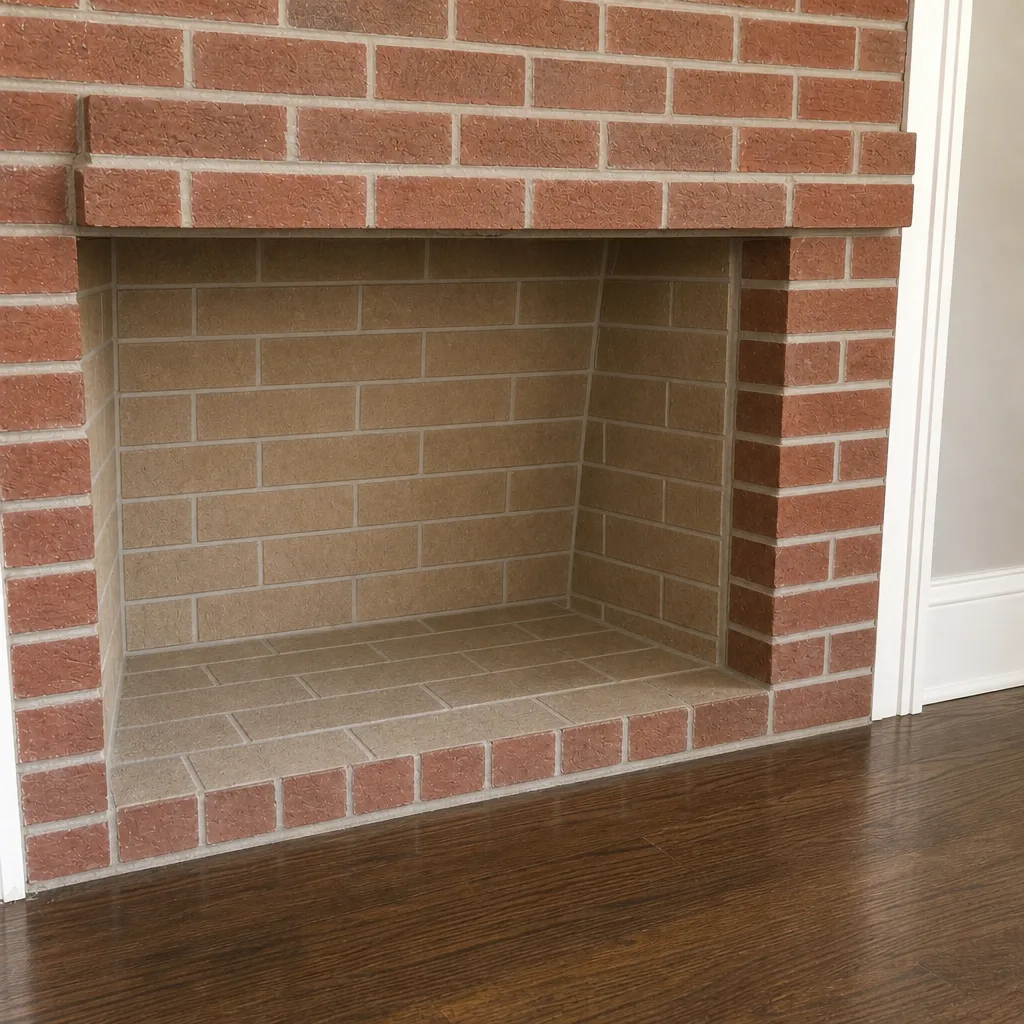
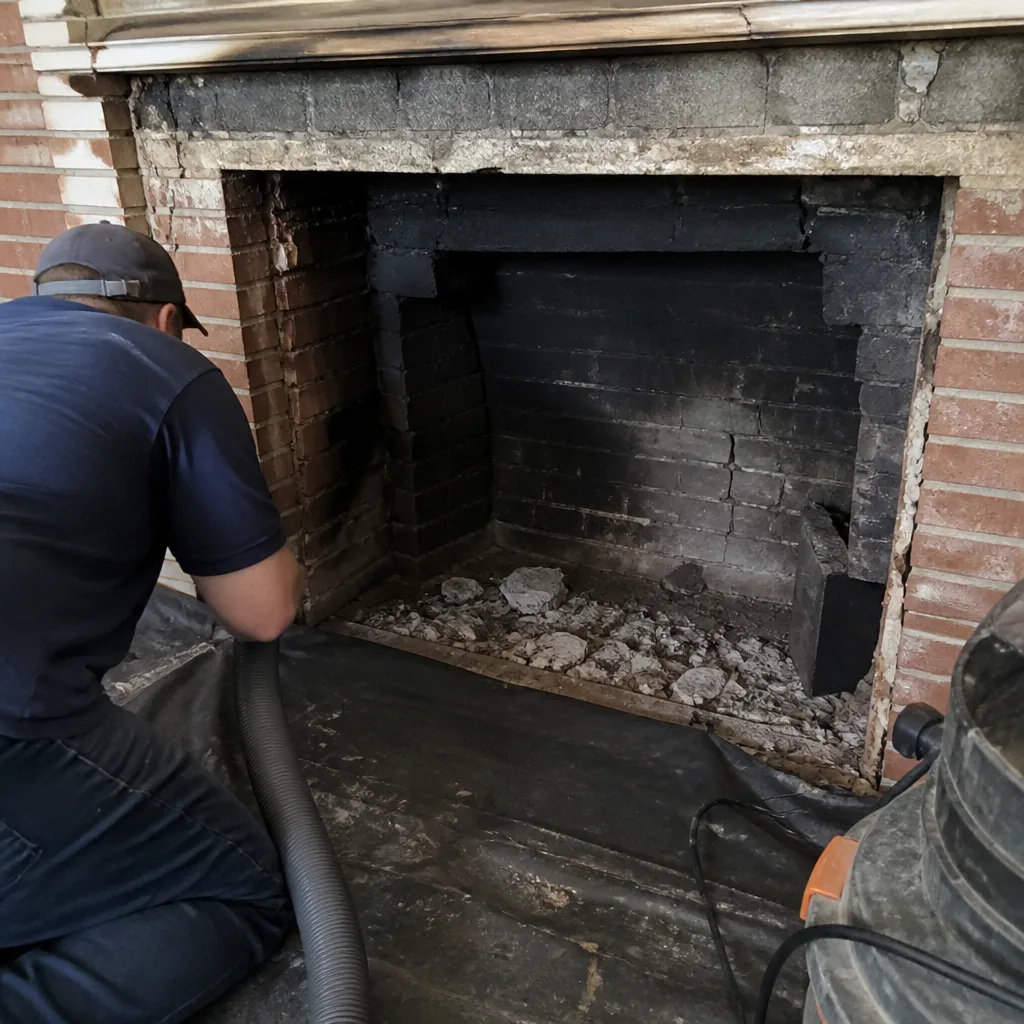
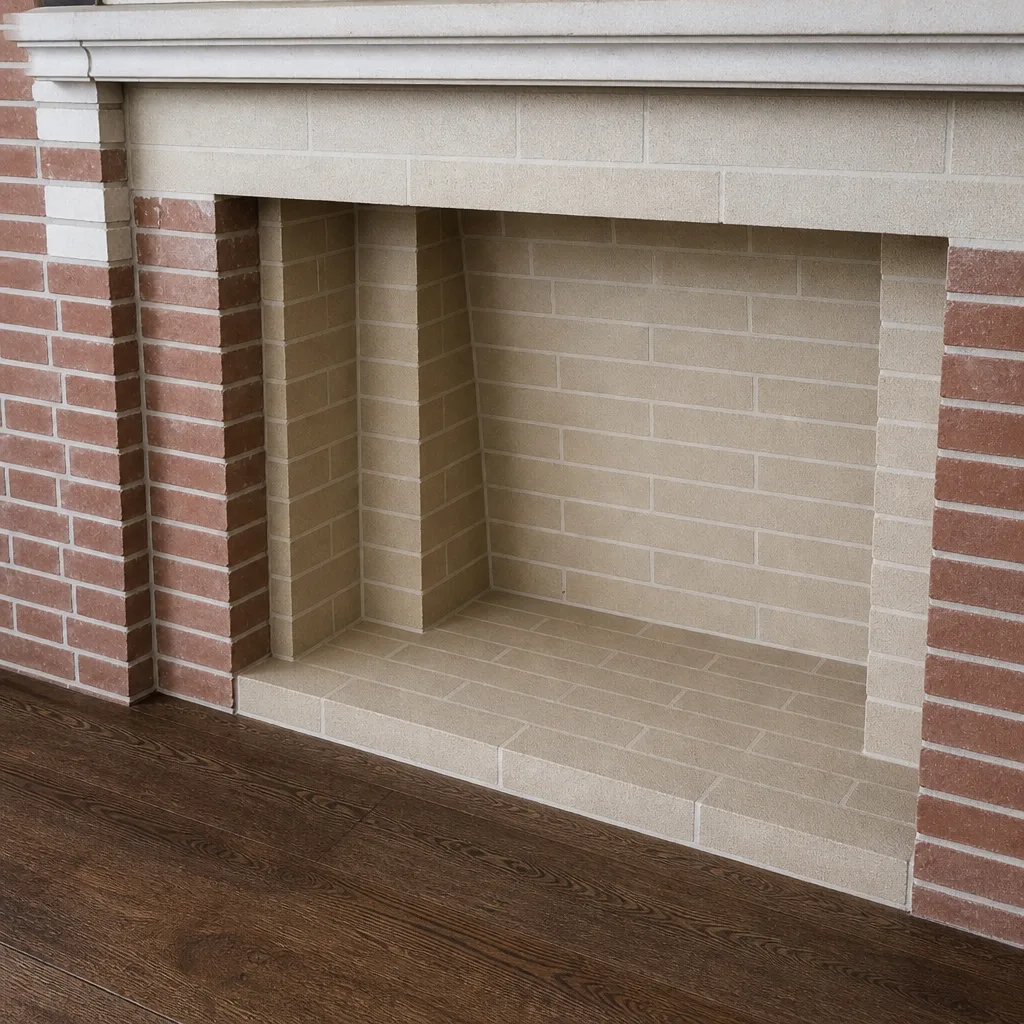
See the difference
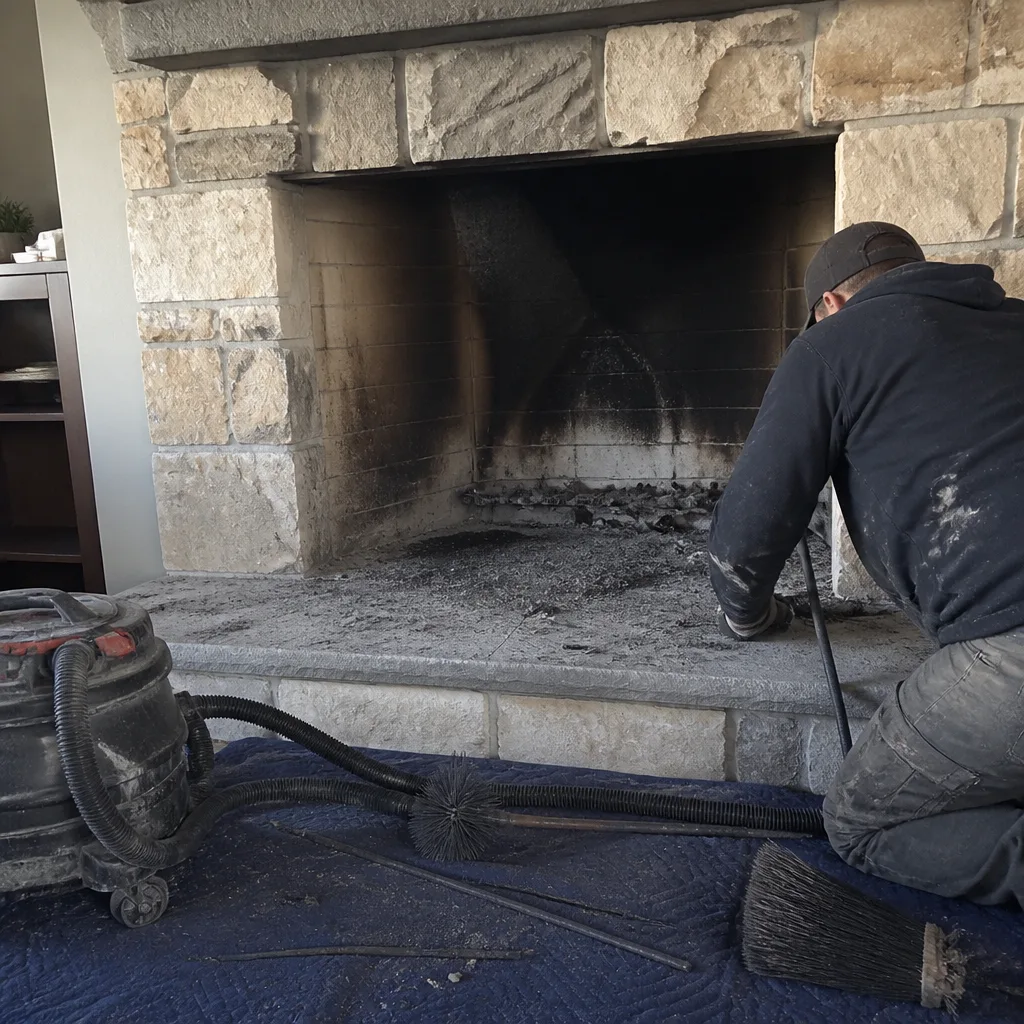 Before
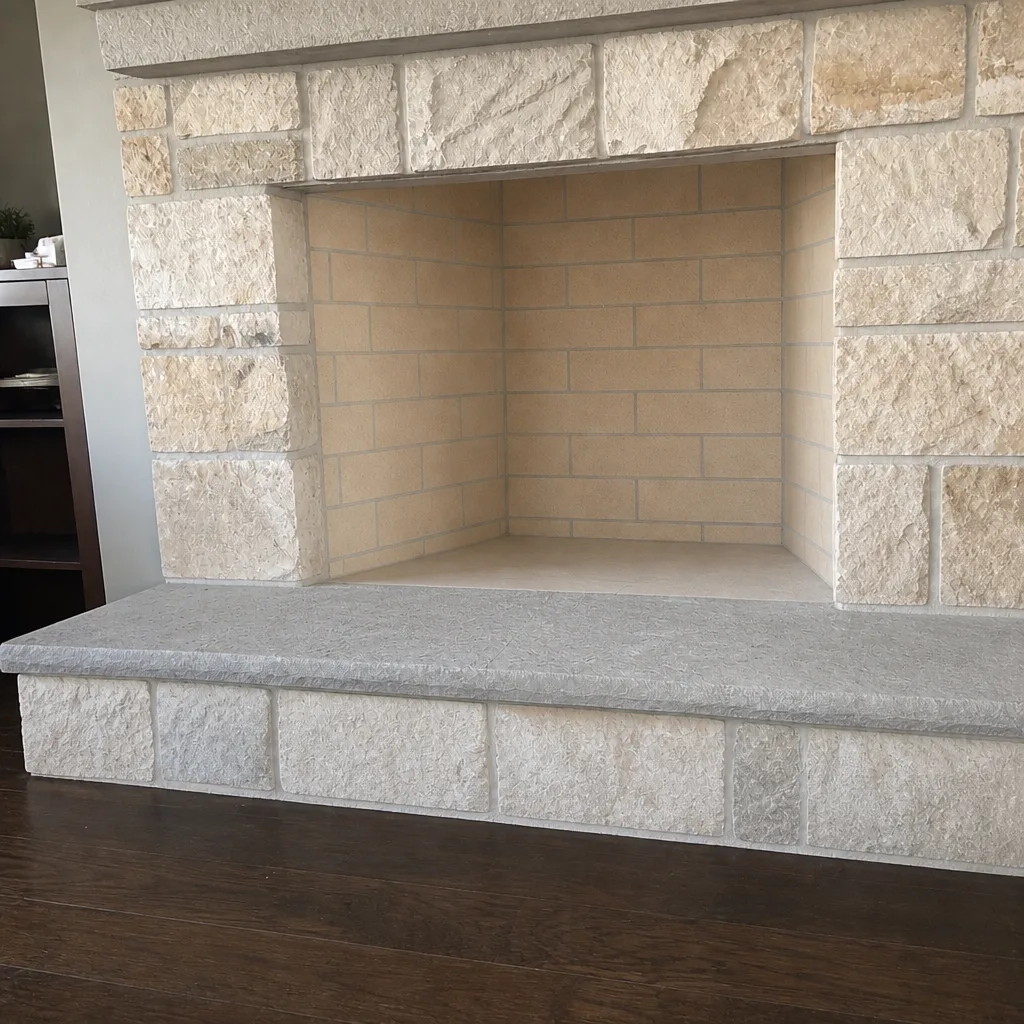 After
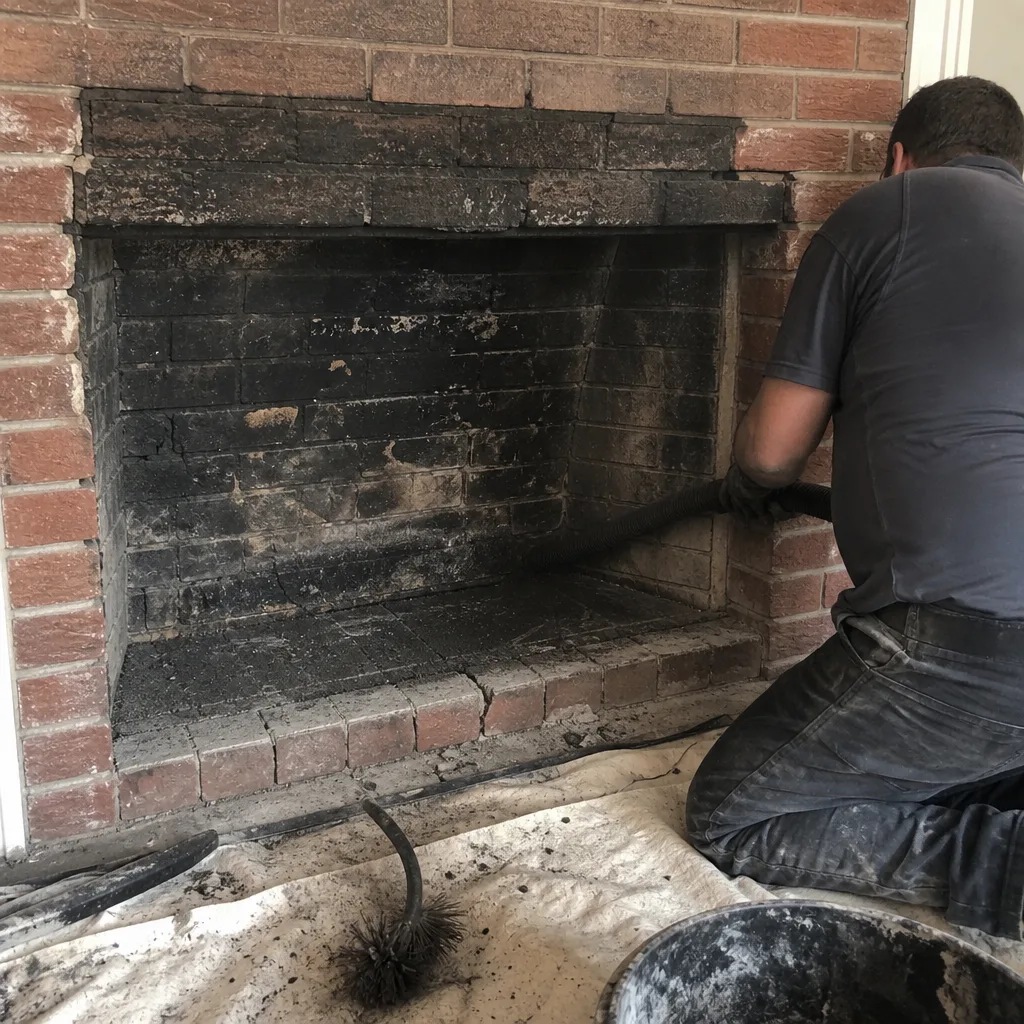 Before
 After
 Before
 After
When to Call a Professional
Call a chimney professional if you notice any of these: stage 3 glazed creosote on the firebox or flue, repeated pilot outages on a gas fireplace, chunks of material falling into the firebox, animals in the flue, or exterior efflorescence or spalling on the masonry. Call sooner if smoke rolls back into the room or the appliance smells of gas after burning. Any one of those signs is enough; you don’t need all of them. Salt Lake City Chimney Sweep Pros offers free estimates in Salt Lake City, with a camera inspection and photo report so you see the evidence before any work is approved. Call (844) 443-4875. We answer 24/7. Fast dispatch from 7am to 7pm, Sunday through Friday. The local pro is licensed and insured as their state requires, and the price is set per job by the written estimate.
Frequently Asked Questions
A chimney needs cleaning when you can see stage 1 or stage 2 creosote in the firebox or flue, when smoke backdrafts into the room, or when the odor between burns doesn’t clear. A camera inspection confirms what’s actually present before the sweep. Call (844) 443-4875 for an exact estimate; estimates are free.
A simple stage 1 sweep on a straight, accessible flue is possible for a careful homeowner, but anything involving a roof, a damaged cap, or a stage 3 creosote layer is not. The firebox and the flue are part of the same system, and if one is wrong, a self-sweep can push debris into a gap without fixing it. For any sign beyond light soot, call a professional.
A sweep removes soot and creosote. An inspection evaluates the whole system with a camera and produces a photo report of the firebox, flue, cap, and crown. In our experience, they’re often done on the same visit, but they answer different questions. The sweep solves the dirt; the inspection finds the damage.
Sometimes. Soot on the glass can come from a dirty burner or an improper air mix, but it can also come from restricted venting. Before assuming it’s the appliance, have the chimney side checked. A camera inspection tells you whether the vent termination or the flue is part of the cause. Call (844) 443-4875 to schedule a look.
If smoke clears within a few minutes of lighting up, draft is usually fine and the flue is more likely to be dirty. If smoke persists or the fire fights for air, it’s likely a draft issue – a short flue, an obstructed cap, or a house that’s sealed too tightly for the flue to pull air. Only an inspection can rule out the structural causes.
Freeze-thaw cycles each winter are the main reason exterior masonry on Salt Lake City chimneys spalls and cracks. Water gets into the brick or crown, then freezes and expands. Summer thunderstorms add to it by pushing water into the masonry joints before the cold sets in. That’s why fall and spring inspections are worth scheduling here.
The Bottom Line
The signs a chimney gives you are specific. A lingering smoky smell in July, white powder on the brick, soot on the glass, a pilot that won’t stay lit – each one points at a different mechanism and a different repair. Treat every symptom as information, not just a cue to book a sweep. A camera inspection and photo report turns that information into evidence you can see for yourself, which is what makes a repair recommendation trustworthy. If any sign in this guide describes your Salt Lake City home, have it looked at before the next burn season. The cost of looking is small compared with the cost of missing it. Call (844) 443-4875. We answer 24/7. Fast dispatch from 7am to 7pm, Sunday through Friday.
For a full review of the services that address what you’ve read here, start with Salt Lake City Chimney Sweep Pros, then a chimney sweep to handle the creosote or fireplace repair for the firebox itself. When it’s the flue, the cap, or a draft issue, the fix is often a matter of chimney cap & crown work.
Written by the team at Salt Lake City Chimney Sweep Pros.