
Last updated November 25, 2026
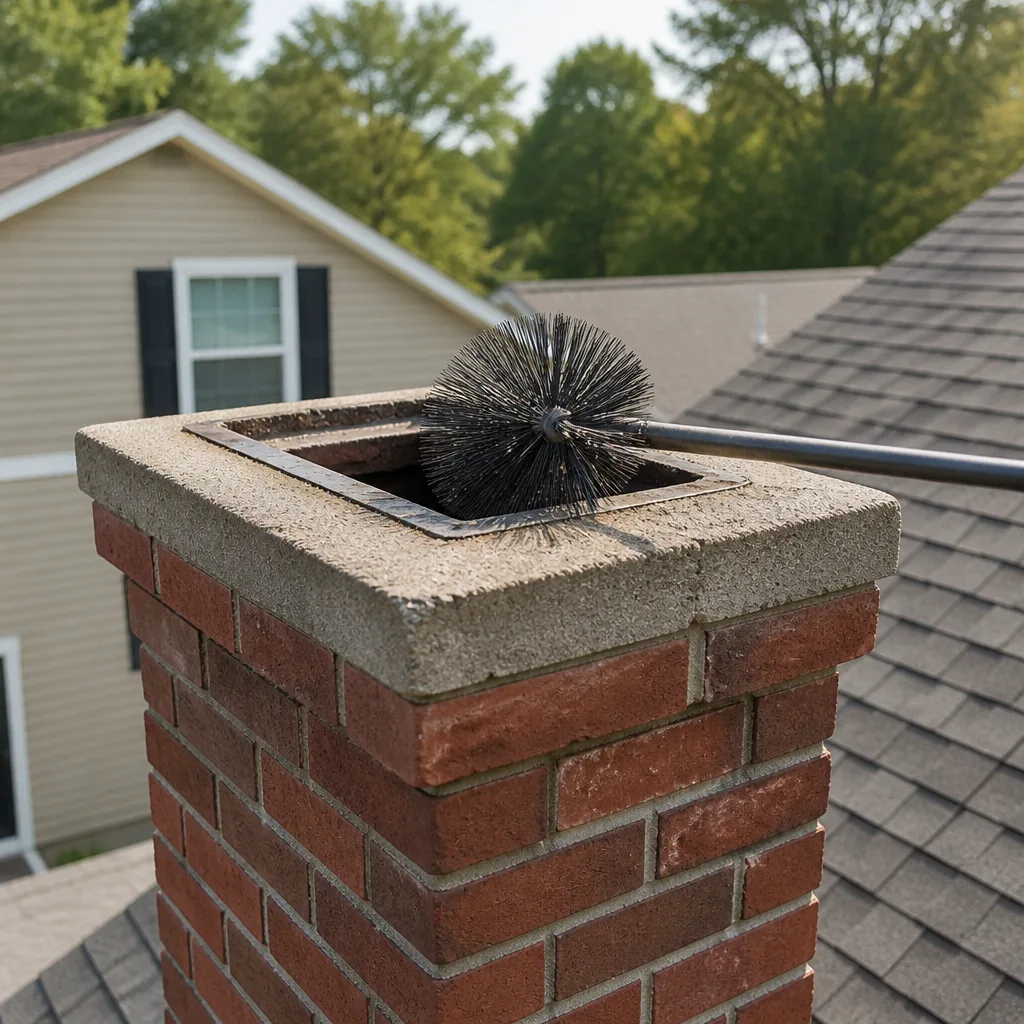 Sweep & inspection
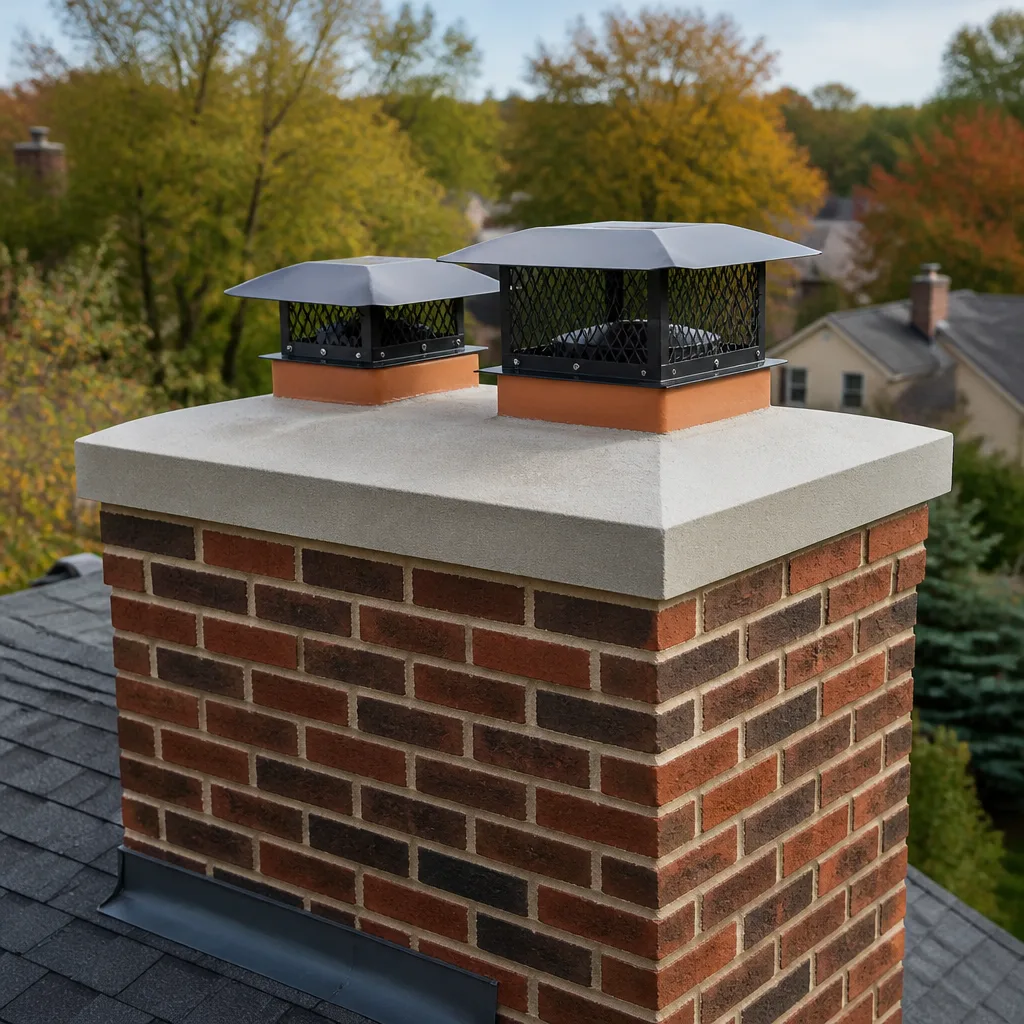 Caps & crowns
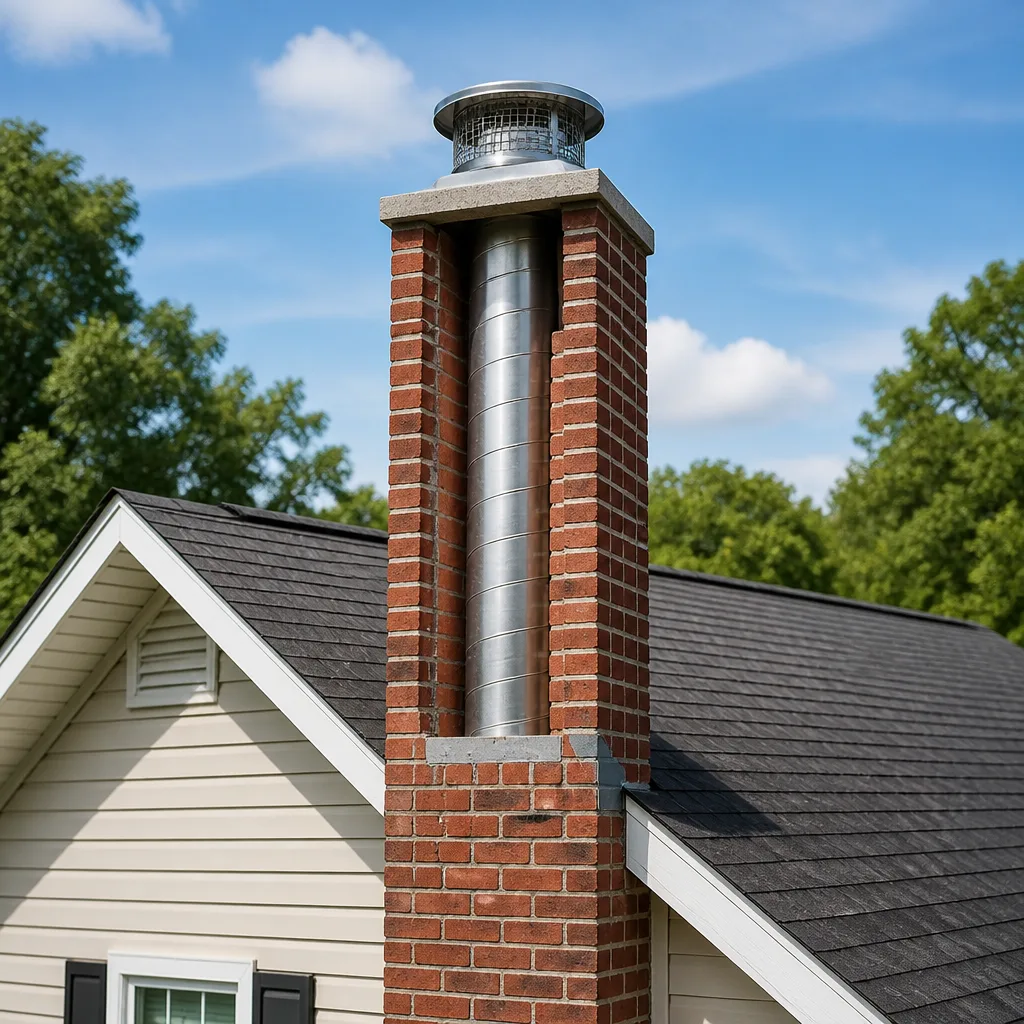 Flue relining
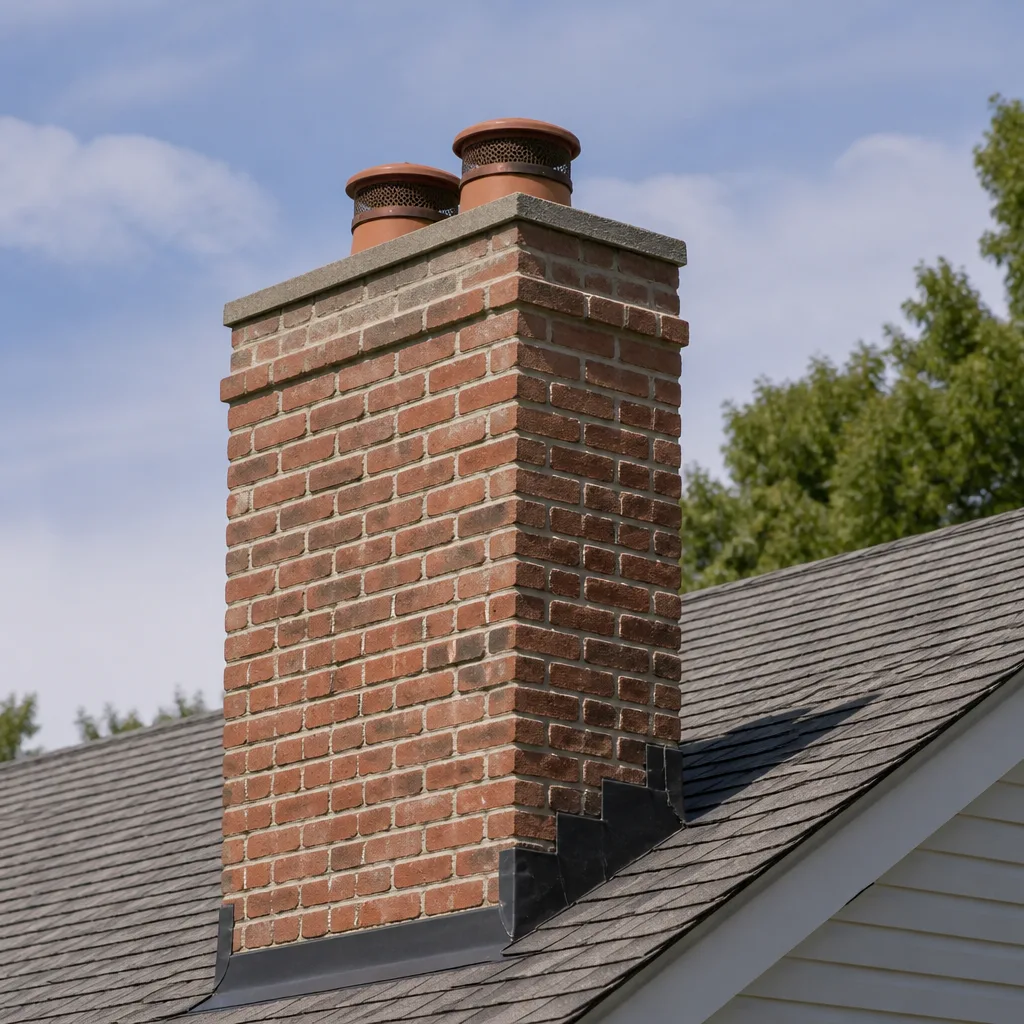 Masonry repair
 Gas fireplace service
Level 1 sweep and inspection to the NFPA 211 annual standard - flue, crown, cap, and flashing checked and photographed
Chimney sweep logs do not sweep chimneys. They loosen some creosote - which then falls where a brush and vacuum still have to collect it.
DIY vs Professional Chimney Cleaning: The Salt Lake City Homeowner’s Decision Guide
You can buy the same brushes a sweep uses. You can buy the rods, the drop cloths, even the little scraper that fits a flue. What you can’t buy at a hardware store is the ability to recognize Stage 2 creosote before you disturb it. That matters, because glazed creosote is the one condition where a cleaning job can turn into an emergency: the moment a stiff brush hits a hardened, tar-like deposit, it can break loose in chunks that lodge in the flue or, worse, ignite. This guide breaks down the exact, verifiable conditions under which cleaning your own chimney in Salt Lake City is a reasonable weekend project. It also names the points where amateur work creates real liability rather than savings. You’ll get a cost-honest comparison, an equipment list, and a clear eye on what a camera reveals that you can’t see from the hearth.
Quick Answer
DIY chimney cleaning is reasonable only when you can verify all three of these conditions: single-story roof access you can safely reach, Stage 1 (soft, sooty) creosote with no glazed deposits, and a wood-burning fireplace with a standard liner you’ve confirmed is in serviceable condition. If any of those three is unproven, professional cleaning is the safer and often cheaper choice. A professional sweep includes camera inspection and a written report that a DIY attempt cannot produce, and that report is what protects you with your insurer and your home’s buyer.
Styles & brands we work with
- Sweep & inspection
- Caps & crowns
- Flue relining
- Masonry repair
- Gas fireplace service
Table of Contents
- The Four Conditions That Make DIY Cleaning Reasonable
- How to Verify Each Condition Before You Start
- Equipment You Actually Need vs. What the Store Sells You
- Where DIY Cleaning Creates Real Risk
- What Stage 2 Creosote Looks Like (and Why It’s the Line)
- What Professionals See in Salt Lake City’s Older Housing Stock
- Cost-Honest Comparison: DIY vs Professional in Salt Lake City
- How Often a Salt Lake City Chimney Actually Needs Sweeping
The Four Conditions That Make DIY Cleaning Reasonable
There is a narrow set of circumstances where cleaning your own chimney makes sense. We’re not going to pretend otherwise. If your situation matches every one of these four conditions, a careful DIY sweep is defensible.
1. Single-story, safely accessible roof
The flue needs to be swept from the top down, and that means getting onto your roof. If you have a one-story home with a shallow pitch, a stable chimney-adjacent surface to stand on, and the ability to safely carry equipment up and down a ladder, top-down access is workable. Multi-story homes, steep pitches, or chimneys on the far side of a complicated roofline push this well past a reasonable DIY threshold.
2. Confirmed Stage 1 creosote only
Stage 1 creosote is the soft, flaky, soot-like deposit that forms after each burn cycle. It brushes loose cleanly. Stage 2 is denser and more tar-like. Stage 3 is glazed, hardened, and hardened to the point that it has to be chemically treated or mechanically removed by a trained technician. You cannot safely sweep Stage 2 or Stage 3 creosote yourself.
3. Wood-burning fireplace with a standard liner
Standard clay tile or factory-built wood flues are what most DIY sweep tools are designed for. Gas appliances are a different animal entirely, and we’ll cover why below. If you burn manufactured logs, pellets, or you’re not sure whether your insert is wood or gas, verify that before assuming this condition is met.
4. You’ve seen the flue interior recently
The fourth condition is the one most homeowners skip. Before you sweep, you need to know what’s in the flue. That means either a recent camera inspection or an honest look with a bright LED and mirror from the firebox and the top. If the last time you saw the inside of your flue was the day it was installed, you’re sweeping blind, and that’s the setup for trouble.
How to Verify Each Condition Before You Start
Let’s walk through how to check each condition objectively, in the order that matters. This is the numbered sequence a careful homeowner would follow before buying a single brush.
- Check roof access from the ground first. Stand back and look at the pitch, the chimney height, and the nearest landing spot. If the pitch is steeper than a gentle walk, or the chimney is more than a few feet above the roofline, don’t do it. Call a sweep.
- Look at the firebox and the smoke chamber. With a bright LED, look up into the smoke chamber from the firebox. Soft, gray fluff is Stage 1. Black, sticky, or glossy deposits mean you need professional eyes on it before anything else happens.
- Check the flue with a mirror or camera. From the firebox and from the flue top, look for cracks in the clay tiles, gaps, or a liner that looks rough or spalling. Any of these conditions means stop and get an inspection before sweeping.
- Confirm the appliance type. Wood-burning fireplace, freestanding wood stove, insert, or gas? Each has a different flue and different cleaning implications. Gas appliances should not be cleaned by a homeowner, full stop.
- Look at the cap and crown. If the cap is rusted through, the crown is cracked, or birds have moved in, that’s a repair that has to happen before cleaning makes sense. Sweeping a compromised chimney just moves debris around.
If all five steps check out cleanly, you’re in the DIY window. If any of them doesn’t, you’re in the “call a professional” window, and we’ll show you what that looks like when we get to the cost comparison.
Equipment You Actually Need vs. What the Store Sells You
Big-box hardware stores carry an impressive-looking array of chimney cleaning kits. Most of them are designed for one or two uses per year, at best, and they’re missing the pieces that actually make a sweep safe and clean. Here’s the honest split between what you need and what’s optional.
What you actually need for a clean DIY sweep
- Rod system matched to your flue size. Flexible rods, not a single stiff brush on a spinner handle. Rods let you follow the flue and reach into the smoke chamber without damaging the liner.
- Correct brush for your liner material. Polypropylene brushes for stainless and factory-built flues. Wire brushes only for clay tile, and only the right stiffness. Using the wrong brush can scratch or tear a liner.
- HEPA shop vacuum with a proper filter. Without this, you’ll spread fine soot through the whole house. This is the one piece most DIY setups skip, and it’s the one that most often causes a mess.
- Drop cloths and sealed plastic sheeting. The firebox opening and the hearth need to be sealed off with plastic and tape before you start. Soot travels on air currents no matter how careful you are.
- Bright LED work light and a handheld mirror. You need to actually see the flue, not just assume it. A headlamp plus a mirror on an extendable handle is the minimum inspection kit.
- Respirator rated for fine particulate. Creosote dust is not something to breathe in over a weekend.
What you can skip (or borrow)
- Spinning chimney whips for the drill. Useful for Stage 1 soot, overkill at the homeowner level, and easy to damage liner walls with if you mishandle them.
- Chemical creosote removers. If you’re buying these for a homeowner sweep, you’re already past the point where DIY makes sense. Those products are for treating Stage 2 deposits, which is a professional call.
- Full-face respirators, industrial vacuums, and pro-grade camera rigs. Unless you already own them for another trade, buying them for one sweep doesn’t pay off.
Where DIY Cleaning Creates Real Risk
The risks of amateur chimney cleaning fall into three specific scenarios. None of them are hypothetical, and all three are the reason professional sweeps exist as a trade separate from general home maintenance.
Scenario 1: Disturbing glazed creosote
Stage 2 and Stage 3 creosote don’t respond to normal brushing the way soft soot does. Brushing a glazed deposit can break it loose in chunks that lodge in the flue liner or fall into the smoke chamber, where they can become a source of ignition. Worse, the brushing process itself can generate enough friction and heat to ignite the deposit before you know it’s there. This is why professionals treat, not just brush, glazed creosote, and why they inspect before cleaning.
Scenario 2: Operating without knowing liner condition
A standard clay tile liner develops cracks over its service life. Those cracks are invisible from the firebox once any soot is present. When you sweep a cracked liner, you’re pushing debris through the crack and into the framing cavity, which is a fire hazard. A professional camera inspection finds those cracks before the cleaning takes place. Without one, you’re sweeping blind.
Scenario 3: Working on a gas appliance
Gas fireplaces, inserts, and direct-vent units don’t need the same kind of sweeping as wood appliances, and they involve safety systems that are not homeowner-serviceable. Venting a gas appliance and cleaning it with homeowner tools can introduce carbon monoxide hazards, and it can void a manufacturer’s warranty. If you’re not certain about the appliance type, assume professional.
One more critical safety note: high-tension springs and cables are not a chimney component in a fireplace, but if your home has a garage door, those are the springs we’re referring to when we say some things simply aren’t a DIY job. Never attempt to adjust or replace garage-door springs or cables yourself; those are under constant extreme tension and require a trained professional. The same caution applies to gas lines and electrical modifications around a fireplace installation.
What Stage 2 Creosote Looks Like (and Why It’s the Line)
Creosote is a natural byproduct of burning wood. When wood burns, the smoke contains unburned gases and particles that condense on the cooler surfaces of the flue. Over time, those deposits accumulate in three recognizable stages. Knowing what each looks like is the single most important skill for a homeowner to develop.
Stage 1: soft and sooty
Stage 1 creosote looks like fluffy black soot or brittle flakes. It brushes off easily. This is the safe cleaning zone, and it’s what a normal annual sweep handles.
Stage 2: dense and tar-like
Stage 2 creosote is dark, sticky, and resembles coffee grounds or tar. It doesn’t brush off cleanly. It can chip and flake with effort, but the deposit stays bonded to the flue surface. When you brush a Stage 2 deposit, you’re creating chunks that don’t fully clear the flue. This is where a DIY attempt stops being cosmetic.
Stage 3: glazed and hardened
Stage 3 creosote is the hardest form: black, glossy, and hardened into a solid glaze against the flue. It is a serious fire hazard because it ignites at a relatively low temperature and burns hot enough to damage the liner and surrounding structure. Sweeping Stage 3 creosote yourself isn’t a cleaning job; it’s a repair job.
Here’s the line we’d ask any homeowner to respect: if you see anything darker or denser than soft sooty fluff in your flue, stop brushing and get a camera inspection before you do anything else. Our technicians have up to 15 years of experience, and most of the creosote-related problems we see come from a homeowner misjudging which stage was present. The brush itself is not the problem. It’s the misdiagnosis before the brush comes out.
What Professionals See in Salt Lake City’s Older Housing Stock
Salt Lake City has a broad range of housing stock, and that range shapes what a sweep sees when we open a firebox. Older neighborhoods in the Avenues, near the Sugar House area, and along the east bench tend to have original fireplaces with clay tile liners that have been in service for many decades. Newer construction on the west side and in the suburbs tends to have factory-built stainless flues, which behave differently.
What a camera inspection routinely shows that the homeowner can’t see from the hearth:
- Cracked or spalling clay tiles. Clay tile liners are vulnerable to thermal shock and settle cracks, and those cracks are often invisible from inside the firebox until they’re found with a camera.
- Offset flues that trap debris. Fireplaces with offset flues have a bend where creosote and soot accumulate. Sweeping that section from the top down is a different job than sweeping a straight flue.
- Missing or deteriorated mortar joints. The mortar between tiles is a common failure point after decades of heating and cooling cycles. A camera catches it before it becomes a structural problem.
- Bird nests and animal debris. Salt Lake City’s proximity to the foothills means birds and small animals sometimes get into uncapped chimneys over a single summer. That’s a fire hazard waiting to happen, and it doesn’t get cleared by a homeowner brush pass.
- Improper prior modifications. Fireplace inserts, gas log sets, and other retrofits from previous owners can leave behind venting issues that a camera catches and a homeowner brush misses.
The reason this matters for the DIY decision: these findings aren’t a scare tactic, they’re the actual inventory of what a camera shows. When you sweep your own chimney without knowing what’s in the flue, you’re sweeping a black box. A camera inspection converts that black box into a documented baseline, and that baseline is what protects you if something happens or if you’re planning to sell.
Cost-Honest Comparison: DIY vs Professional in Salt Lake City
Here’s the math most guides skip. A purchase-once DIY kit is not directly comparable to an annual professional sweep because the DIY tools aren’t only used once. The right comparison is total cost over a few years of use, divided by the actual cleaning that gets done.
Typical equipment cost for a DIY setup
A homeowner-grade kit that actually cleans rather than spreads debris runs into the low hundreds of dollars once you include rods, a poly brush, drop cloths, a HEPA shop vacuum, a respirator, and inspection lighting. The HEPA vacuum alone is often the largest single line item. That setup will serve for multiple seasons if it’s stored and maintained.
Typical cost of a professional sweep in Salt Lake City
A professional chimney sweep in Salt Lake City typically runs in the low-to-mid two hundreds per sweep for a standard wood-burning fireplace, and the price goes up from there for taller flues, offset flues, or additional appliances. That price typically includes the sweep itself, a visual and camera inspection, and a written report. The written estimate sets the final price, and we don’t add charges after the fact.
Comparing over multiple seasons
The honest framing is not “one DIY kit vs one sweep.” It’s “one DIY kit, amortized over the seasons you’ll actually use it, vs professional sweeps across the same seasons.” If you’ll use the tools for four or five seasons and the conditions in your chimney stay clearly within Stage 1, DIY can come in cheaper on pure materials. The tradeoff is that the DIY math doesn’t include the inspection, the report, or the risk exposure if conditions in the flue have changed. Once you price the inspection alone, the gap narrows quickly.
What the professional price actually buys
- A sweep that reaches the smoke chamber, shelf, and flue top with professional rods and containment
- A camera inspection and photo report documenting the flue’s actual condition
- A written baseline that supports your insurance requirements or a home sale
- Access to the repair materials a specialist carries, including DuraFlex liner systems for deteriorated or oversized flues and HeatShield resurfacing for fireboxes and liners that need restoration
For more detail on how a professional sweep works in this market, see our chimney sweep page.
How Often a Salt Lake City Chimney Actually Needs Sweeping
The honest answer is that frequency depends on how you burn, not on a strict calendar. A general rule of thumb for wood-burning fireplaces is an annual sweep under normal use, but “normal use” covers a wide range. A fireplace used for a few cozy evenings per month needs less frequent sweeping than a fireplace that carries a significant heating load.
Factors that push toward more frequent sweeping in Salt Lake City:
- Burning season length. Salt Lake City’s cold season is long enough that a fireplace used as a primary heat source can run for four or five months of regular burns.
- Wood quality. Unseasoned or high-moisture wood produces far more creosote per burn than dry, seasoned firewood. If you’re burning whatever’s available rather than well-cured wood, sweep more often.
- Fireplace design. Older masonry fireplaces with large flues and deep smoke chambers accumulate deposits faster in the less-traveled areas above the damper.
- Gas log sets. Gas fireplaces typically need less frequent cleaning but should still be inspected for venting and safety.
- Any change in how the fireplace behaves. A new smoky smell, a draft that used to be strong and got weak, or visible soot at the firebox opening are all calls for an inspection regardless of schedule.
One key note for Salt Lake City homeowners: burn-season timing means most calls come in just before the first real cold snap. Booking a sweep in late summer or early fall keeps the schedule easier and gives you time to handle any repair found in inspection before the first burn, without anyone rushing the job. Our Salt Lake City Chimney Sweep Pros team takes bookings throughout the season, and the inspection slot matters most in the weeks before heavy burn season starts.
Common Mistakes to Avoid
- Sweeping a chimney you’ve never actually seen inside. If you haven’t put a light and a camera or mirror into the flue in the last year, you don’t know if you’re brushing Stage 1 soot or Stage 2 deposits. The first mistake costs more to fix than a professional sweep.
- Using a wire brush on a stainless liner. Wire brushes are for clay tile. They scratch and dull stainless flue liners and can damage the seams. Poly brushes are the correct tool for factory-built flues, and mismatching them is a common and expensive error.
- Skipping the HEPA vacuum and containment. Sweeping without sealing off the firebox and running a proper HEPA vacuum sends fine soot through the house. It settles into every crevice in the room and is a nightmare to clean up. Containment is not optional.
- Assuming the fireplace is wood-burning without checking. A previous owner may have installed a gas insert or log set. Cleaning a gas appliance with homeowner tools risks carbon monoxide and can void a warranty. Verify the appliance type before you buy any equipment.
- Sweeping a chimney with a cracked or spalling liner. A cracked clay tile liner lets debris into the framing cavity and is a fire hazard. If you can’t confirm the liner is sound, call for an inspection. A chimney cap & crown check belongs in that inspection for the same reason: a cracked crown lets water into the flue above the liner and accelerates the problem.
- Ignoring birds and animal debris in uncapped chimneys. Salt Lake City’s foothill neighborhoods see birds and small animals move into uncapped chimneys over the summer. A nest is a fire hazard and needs to be removed by a professional before the burn season.
- Treating creosote removal as a homeowner job. Stage 2 and Stage 3 creosote require chemical treatment or mechanical removal by a technician. Homeowner brush passes don’t fully clear these deposits and can create loose chunks that lodge in the flue.
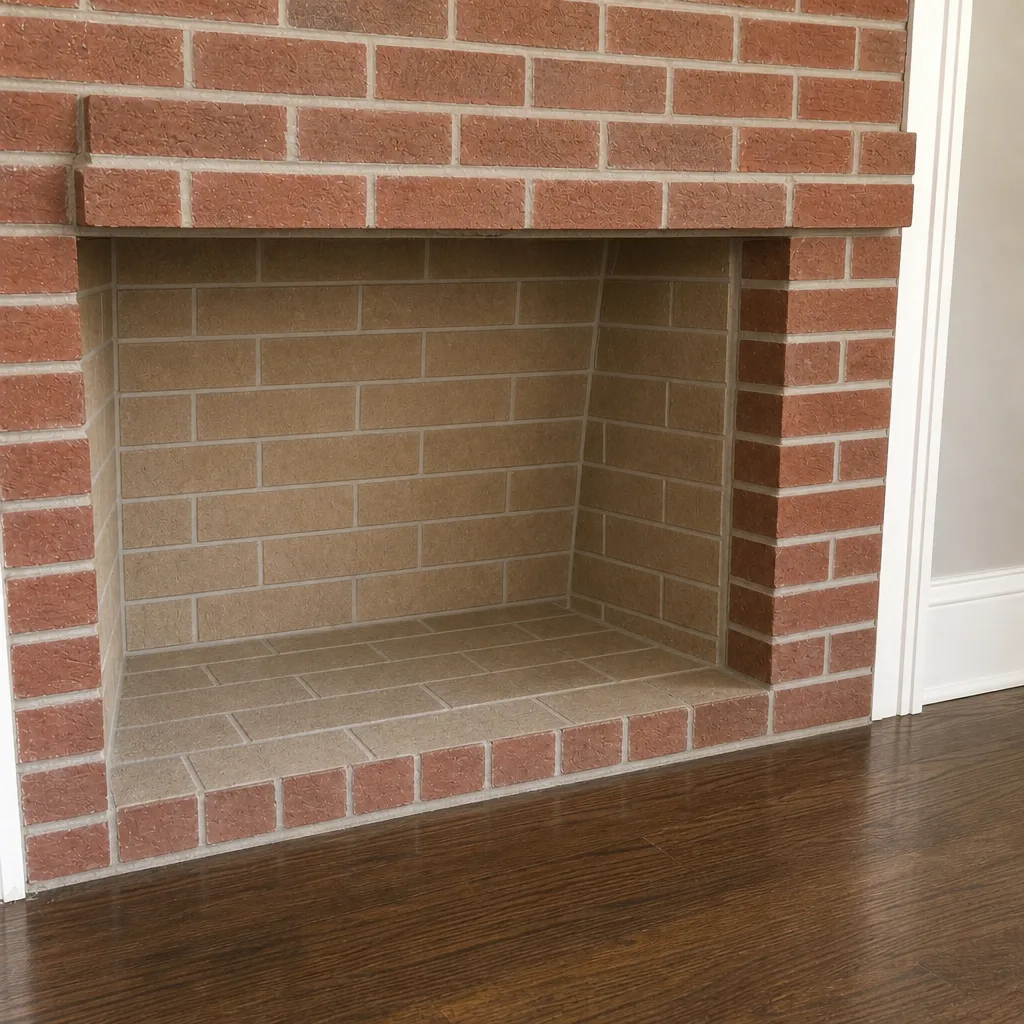
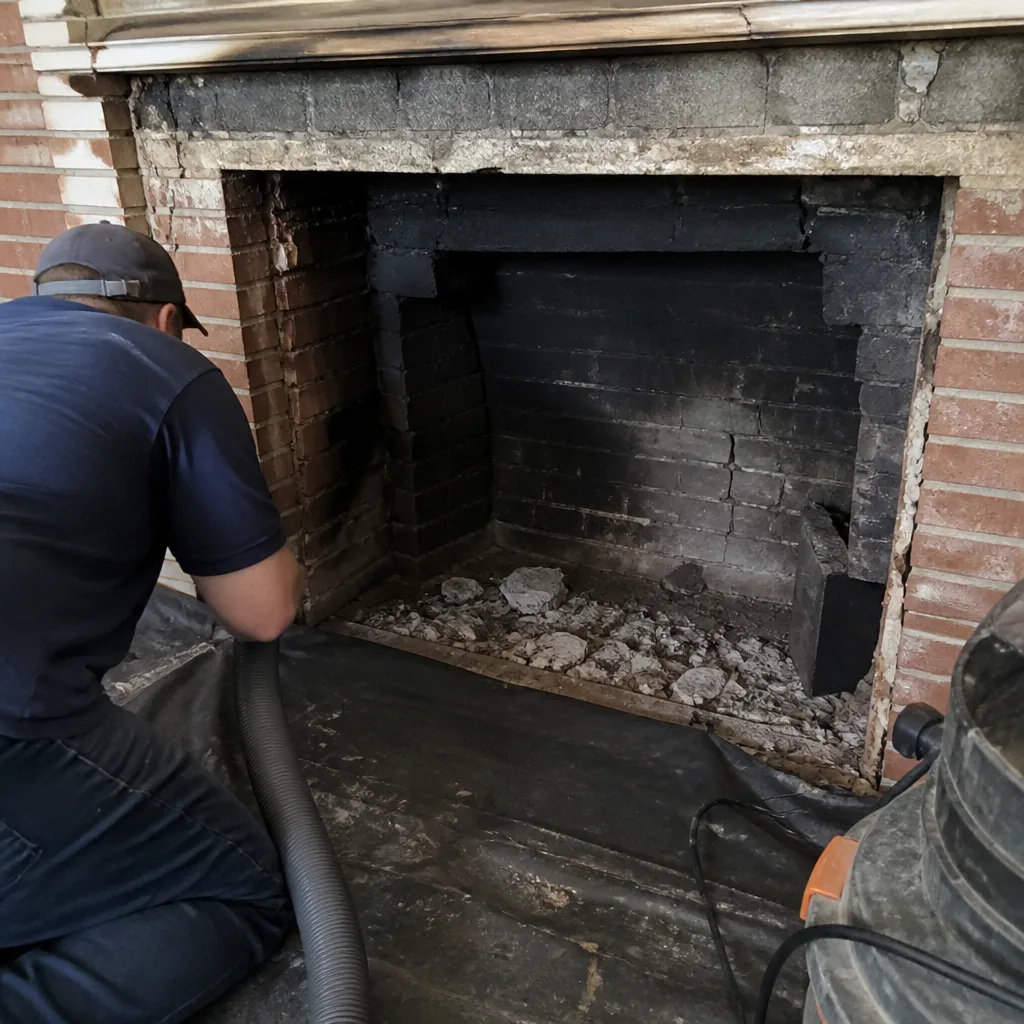
See the difference
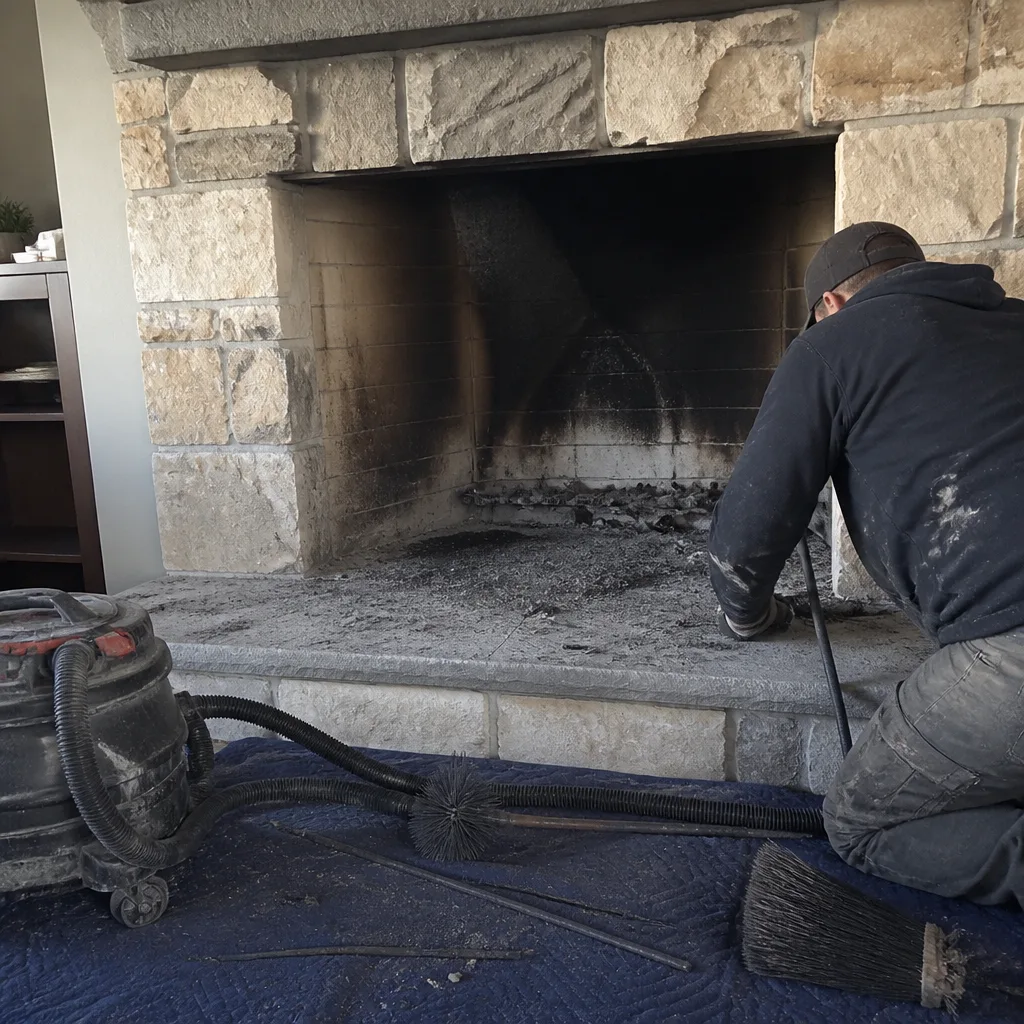 Before
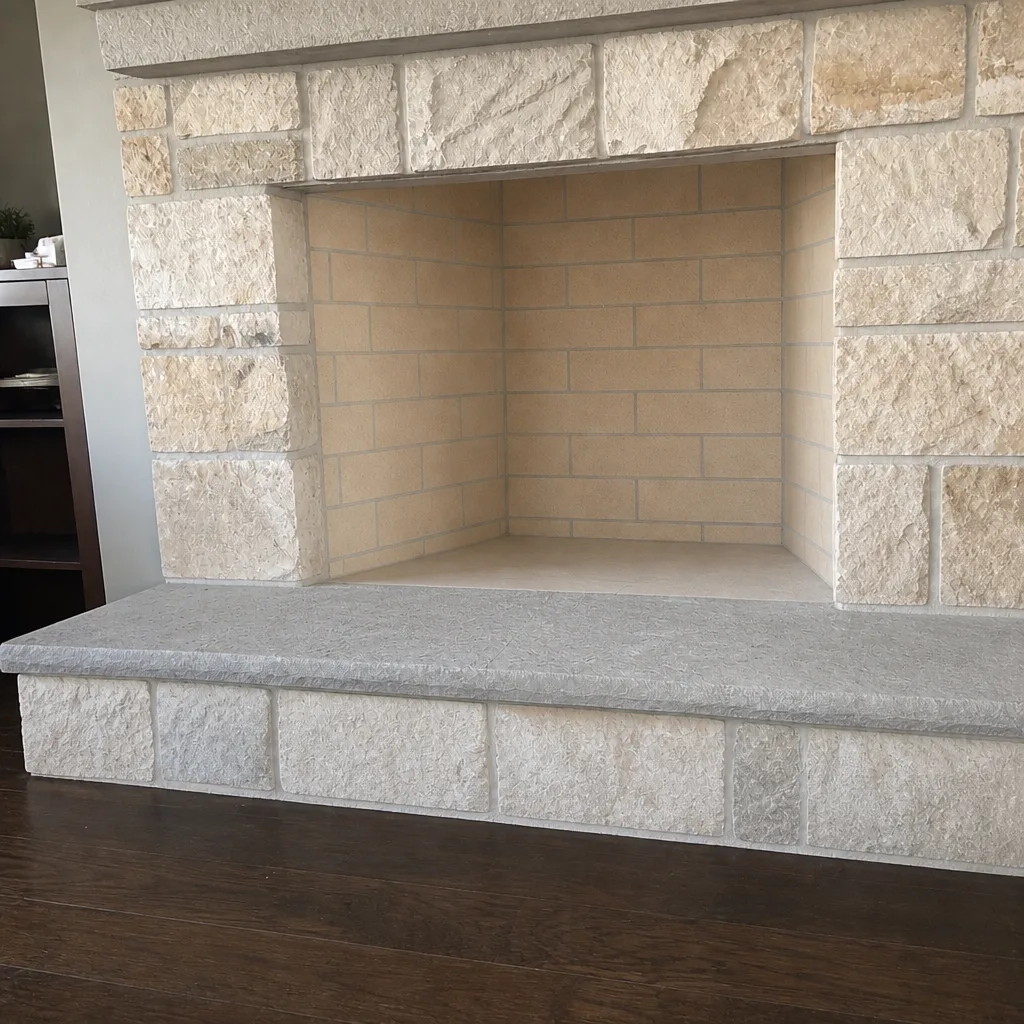 After
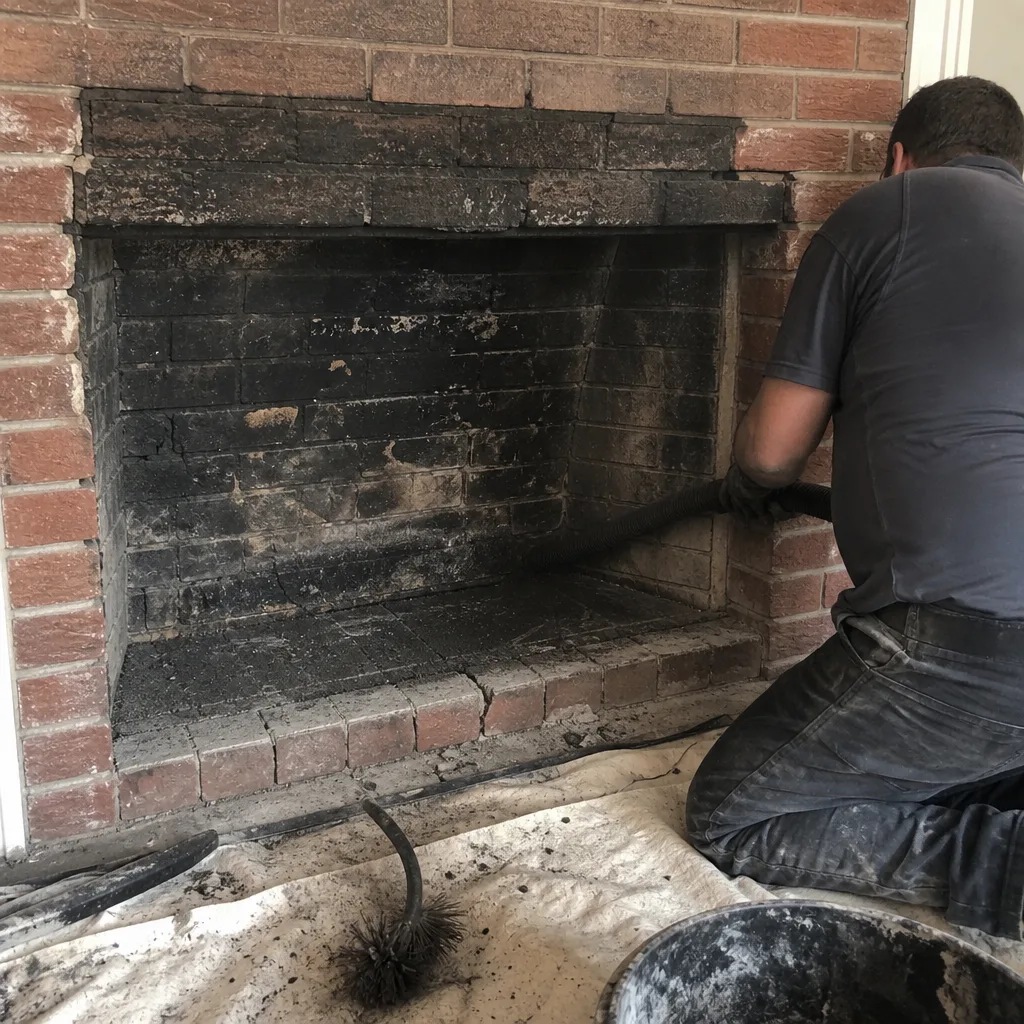 Before
 After
 Before
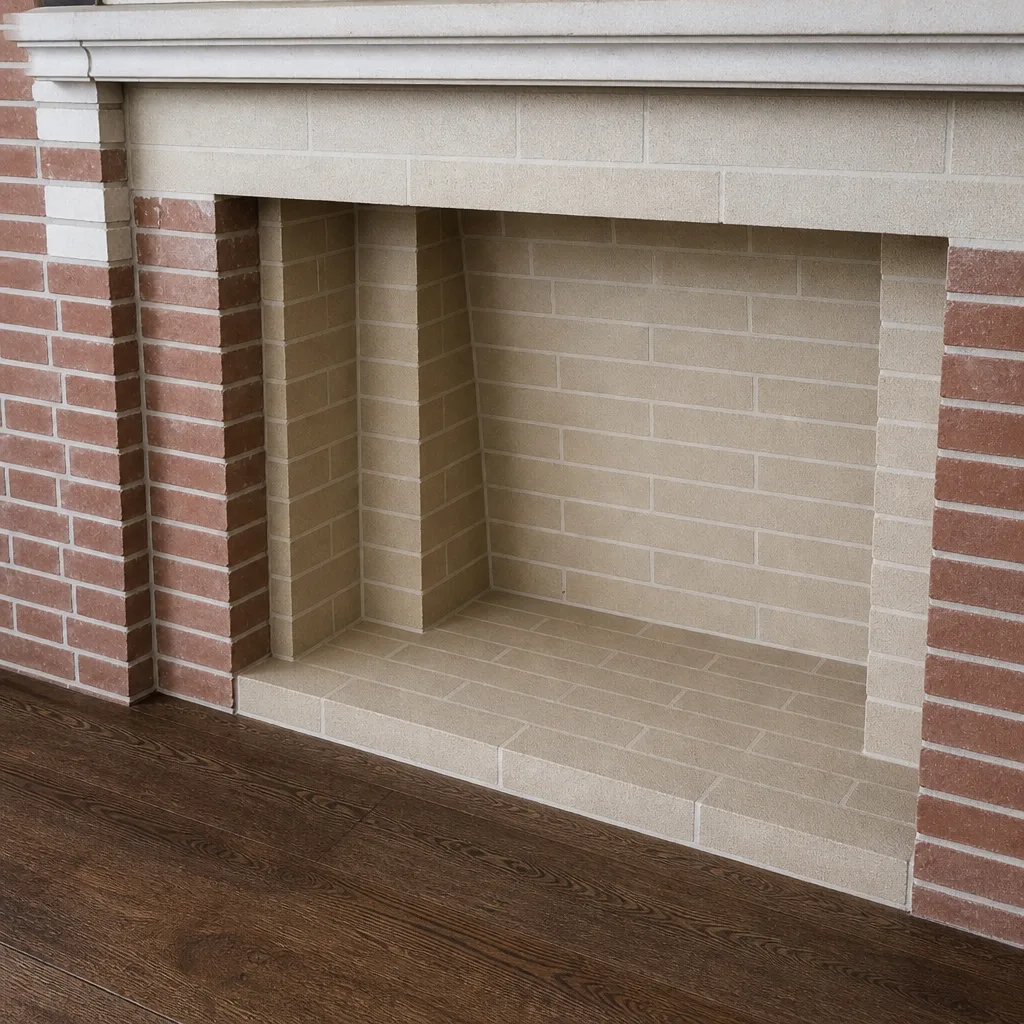 After
When to Call a Professional
Call for professional cleaning when any of the following applies: you’re on a second story or a steep roof; you’ve seen glazed, tar-like, or hardened deposits anywhere in the flue; you’re not certain what kind of appliance or liner you have; the fireplace or insert is gas; the flue was last inspected more than a year ago; you’re buying or selling a home and need a documented condition report; you need anything beyond a routine sweep. We also want to be clear that a professional chimney sweep is not the same as a fireplace repair call. The sweep and inspection are the baseline; if a repair is needed, that’s a separate scope discovered during inspection, and we won’t recommend repair without camera evidence you can see for yourself. Salt Lake City Chimney Sweep Pros offers free estimates in Salt Lake City. Call (844) 443-4875. We answer 24/7. Fast dispatch from 7am to 7pm, Sunday through Friday.
Frequently Asked Questions
You can clean your own chimney in Salt Lake City if, and only if, you have single-story safe roof access, confirmed Stage 1 creosote only, and a standard wood-burning fireplace with a liner you’ve verified in serviceable condition. If any of those three conditions is unproven, professional cleaning is safer and often cheaper once inspection is factored in. Call (844) 443-4875 for an exact quote on a professional sweep; estimates are free.
A typical professional chimney sweep in Salt Lake City runs in the low-to-mid two hundreds per sweep for a standard wood-burning fireplace, and it goes up for taller flues, offset flues, or additional appliances. That price typically includes inspection and a written report, and the written estimate sets the final price after the sweep scope is confirmed. Call (844) 443-4875 for an exact quote; estimates are free.
Only over multiple seasons, and only when the chimney’s condition stays cleanly in Stage 1. A homeowner kit that actually cleans runs into the low hundreds once you include the HEPA vacuum, rods, brush, respirator, and containment materials. Spread over four or five seasons of use, that can beat multiple professional sweeps on materials. The gap narrows as soon as you add the camera inspection and written report that a DIY setup can’t produce. Call (844) 443-4875 for a free estimate on a professional sweep so you’re comparing real numbers.
Stage 1 is soft, flaky soot that brushes off easily. Stage 2 is denser, tar-like, and doesn’t brush off cleanly. Stage 3 is glazed and hardened into a solid deposit and is a serious fire hazard. Only Stage 1 is safely addressed by a homeowner brush pass. Call (844) 443-4875 for a camera inspection so you know which stage you’re dealing with; estimates are free.
Under normal wood-burning fireplace use, an annual sweep is the general baseline. Salt Lake City’s long burn season, unseasoned wood, and older masonry fireplaces with deep smoke chambers all push toward more frequent sweeping. Any change in how the fireplace behaves is a reason for inspection regardless of schedule. Call (844) 443-4875 for a free estimate and to book a sweep before burn season; we answer 24/7.
Yes. The inspection is what tells you what’s actually in the flue, and it’s what creates a documented baseline for insurance or a home sale. A DIY sweep without a camera inspection is sweeping a black box. If you’re buying or selling a home in Salt Lake City, an inspection report is often a condition of the transaction. Call (844) 443-4875 to book a camera inspection; estimates are free.
The Bottom Line
DIY chimney cleaning is defensible for a narrow window: single-story safe access, confirmed Stage 1 soot, a standard wood-burning fireplace, and a flue you’ve seen inside recently. Step outside any of those four conditions and the math flips toward professional cleaning, especially once you count the inspection and written report that a homeowner brush pass can’t produce. Creosote stage, liner condition, and appliance type are the three things that decide which side of that line you’re on. A safe chimney is a documented chimney, and the professionals at Salt Lake City Chimney Sweep Pros work with professional-grade materials including DuraFlex liner systems for deteriorated or oversized flues and HeatShield resurfacing for fireboxes and flue liners. Our technicians have up to 15 years of experience, and we offer free estimates in Salt Lake City. Call (844) 443-4875 for a free estimate. We answer 24/7. Fast dispatch from 7am to 7pm, Sunday through Friday.
Written by the team at Salt Lake City Chimney Sweep Pros.