
Last updated November 25, 2026
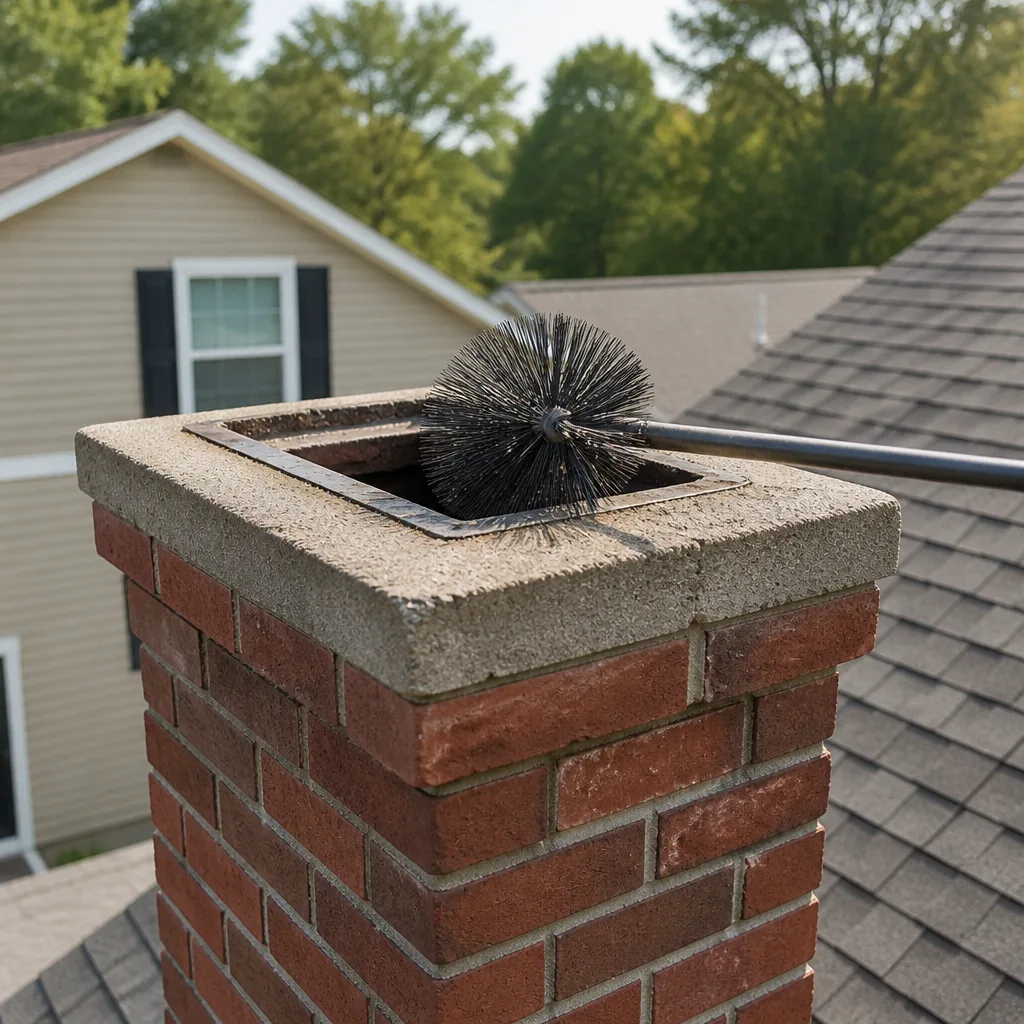 Sweep & inspection
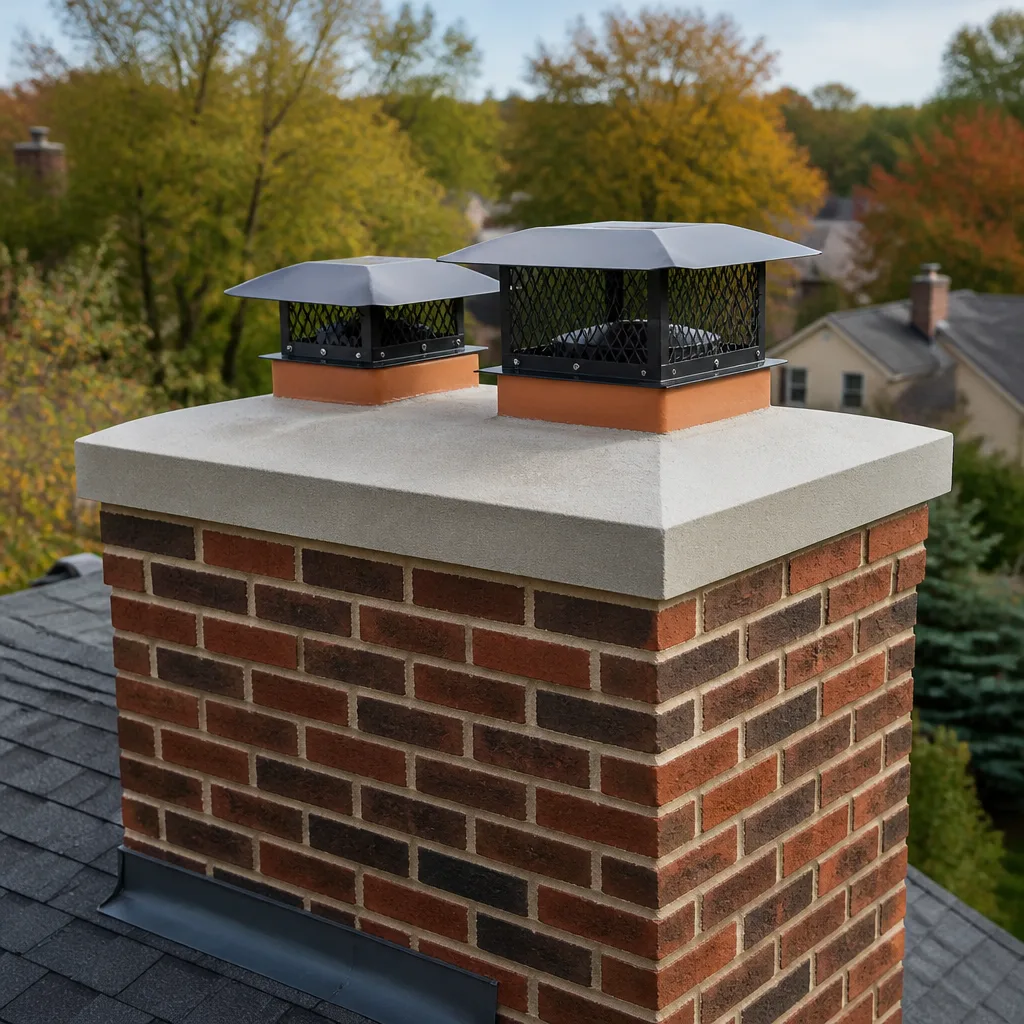 Caps & crowns
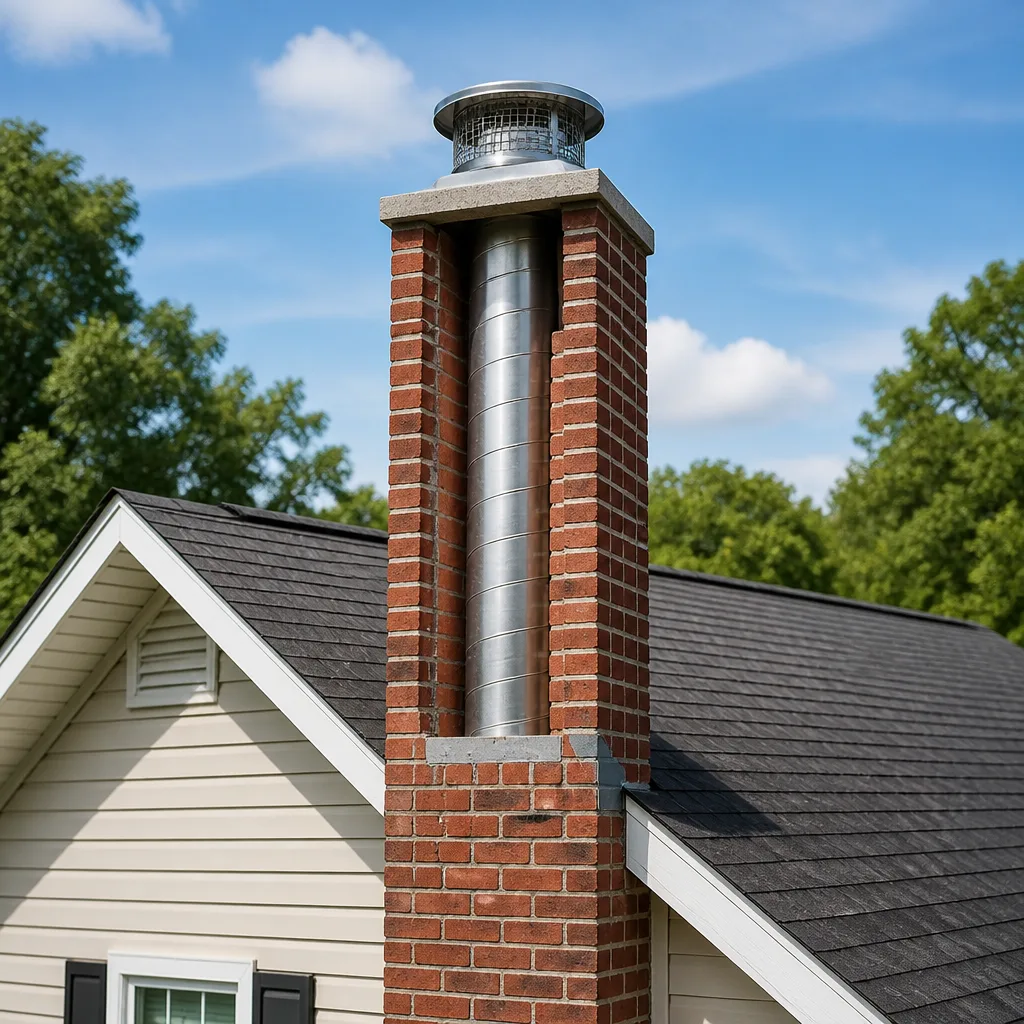 Flue relining
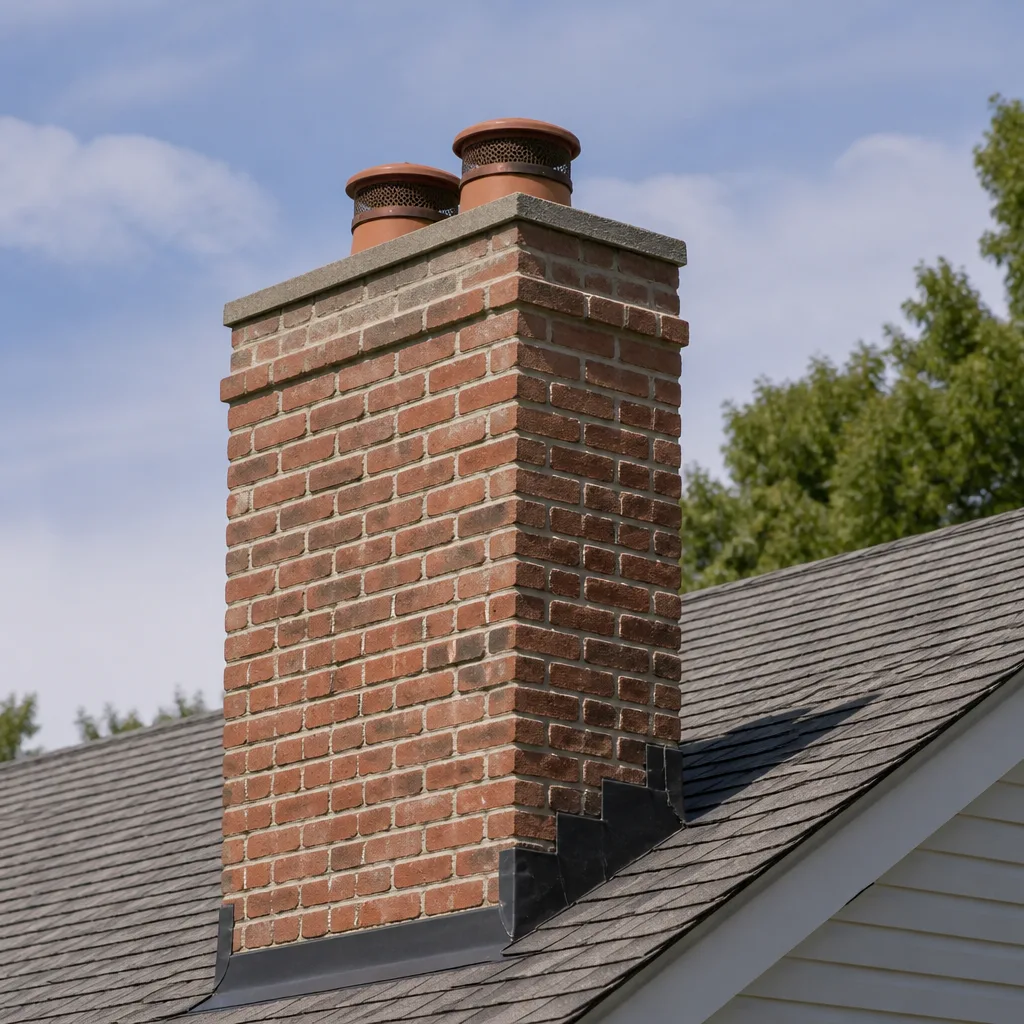 Masonry repair
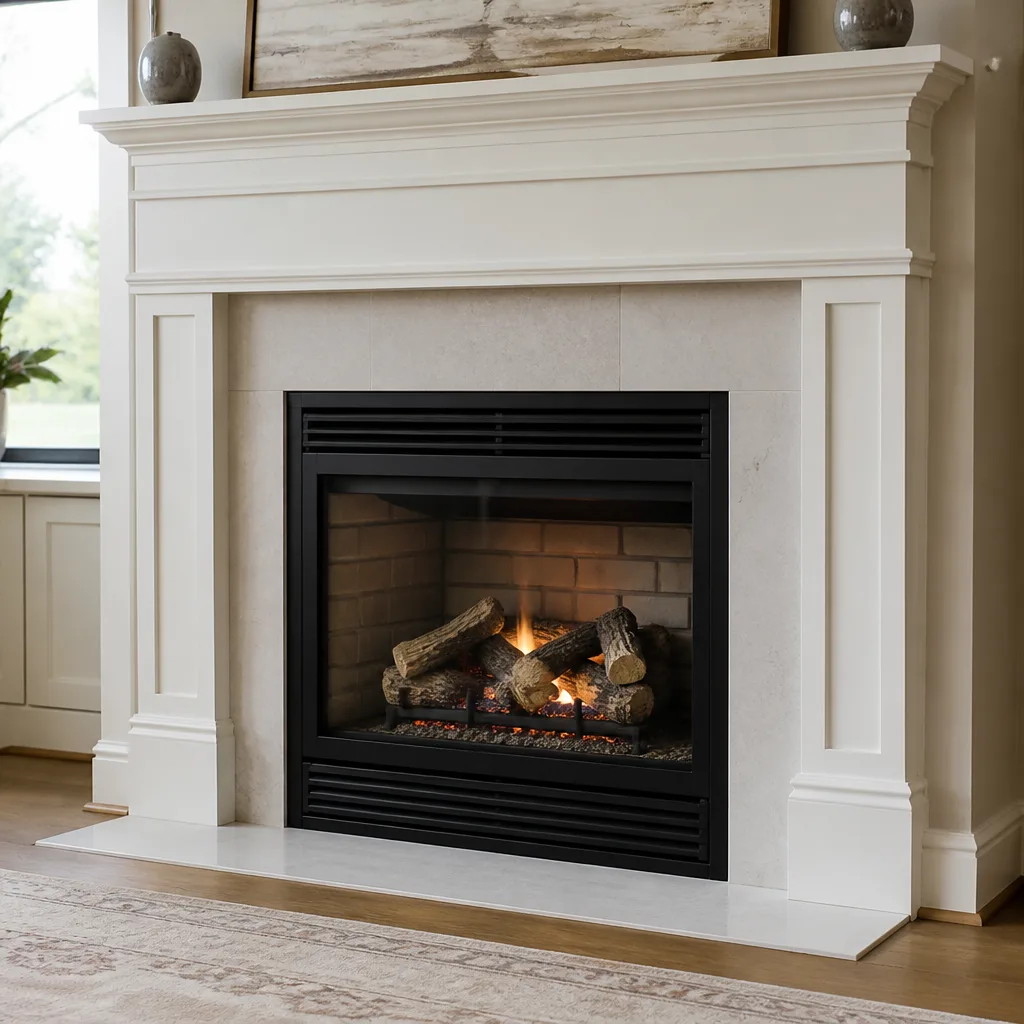 Gas fireplace service
Level 1 sweep and inspection to the NFPA 211 annual standard - flue, crown, cap, and flashing checked and photographed
Chimney sweep logs do not sweep chimneys. They loosen some creosote - which then falls where a brush and vacuum still have to collect it.
Choosing the Right Chimney Cleaning Brand: A Buyer’s Guide for Salt Lake City
Ask your chimney sweep what products they use for crown repair, smoke chamber restoration, and liner sealing. If they can’t name them, that tells you something specific about the depth of service you’re actually receiving. Most homeowners shop for chimney work the way they shop for an oil change: whoever answers the phone and quotes the lowest number gets the job. But the products a chimney company stocks say more about their training and capability than any advertisement. A brush-only operation and a full-service chimney specialist solve fundamentally different problems, and the gap shows up in what’s on their van and what they can finish without handing you off to a second contractor. This guide explains how to read those signals in Salt Lake City, from the liner systems to the sealants, so you hire for competence rather than convenience.
Quick Answer
The right chimney company in Salt Lake City is the one that stocks professional-grade product brands for every repair it offers, not just a brush and a vacuum. Ask which brands they install for crown repair, smoke chamber restoration, and liner work. If they can name specific systems like HeatShield, DuraFlex, Gelco, or Copperfield and explain how each applies to your job, you’re talking to specialists. If the answer is vague, you’re likely dealing with a generalist who will subcontract the real work.
Styles & brands we work with
- Sweep & inspection
- Caps & crowns
- Flue relining
- Masonry repair
- Gas fireplace service
Table of Contents
- Why the Product Brands a Chimney Company Stocks Signal Their Training
- Consumer-Grade vs. Professional-Grade Chimney Products
- How to Evaluate a Company’s Brand Relationships
- What Chimney Cleaning Chemical Treatments Actually Do
- How Salt Lake City’s Hard Water and Freeze-Thaw Cycles Change Material Choices
- Questions to Ask Before You Hire
- Why a Documented Inspection Matters in Salt Lake City
- Common Mistakes to Avoid
Why the Product Brands a Chimney Company Stocks Signal Their Training
The products a chimney company keeps on hand are a direct readout of what they’re trained and equipped to do. A sweep who carries only brushes, a vacuum, and a drop cloth is performing maintenance. A company that stocks HeatShield resurfacing materials, DuraFlex flexible liner components, and Gelco sealants is equipped to diagnose and repair the full chimney assembly. Those are different businesses even if both call themselves chimney sweeps.
Stocks matter because chimney repair happens in stages, and each stage draws on a specific product category. Consider what a complete job involves:
- Crown repair: Requires a masonry coating or crown mix that survives freeze-thaw movement. This is not a bag of quick-set from the home center.
- Smoke chamber restoration: Needs a resurfacing system designed to smooth and seal the chamber so it transitions properly into the flue.
- Liner work: Involves a flexible liner system sized to the flue, with the correct insulation and connection hardware.
- Firebox repair: Calls for refractory mortar or a resurfacing application rated for direct flame contact.
- Sealing and waterproofing: Uses a breathable masonry sealant formulated for the local climate.
A company that stocks across all these categories can complete a project in one visit or one coordinated job. A company that does not will either decline the repair or bring in a subcontractor, which adds a second set of hands, a second schedule, and a gap in accountability if something fails. When you’re comparing quotes in Salt Lake City, ask directly: “Which of these repairs can you complete without bringing in another contractor?” The answer tells you whether you’re hiring a specialist or a middleman.
Consumer-Grade vs. Professional-Grade Chimney Products
The chimney products on a hardware store shelf and the ones a certified sweep uses are not interchangeable, even when they carry similar labels. Consumer-grade sealants, crown patches, and cleaning chemicals are formulated for occasional homeowner use and a wide margin of error. Professional formulations are engineered for specific chimney conditions, applied by trained hands, and backed by manufacturer technical support. The difference shows in how long a repair lasts and how it performs through a Utah winter.
Here’s how the two tiers typically differ:
- Formulation: Professional products are matched to substrates (masonry, stainless, refractory) and cure under controlled conditions. Consumer versions are generalized for broad appeal.
- Application method: Professional liner and resurfacing systems require specific preparation, thickness, and curing steps. Consumer kits simplify these steps, sometimes past the point of durability.
- Accountability: A manufacturer that trains and authorizes applicators stands behind the product when it’s installed correctly. A homeowner-applied product carries no such chain of responsibility.
- Service life: Professional masonry sealants and crown coatings are built to flex with thermal movement. Consumer patches often crack within a season or two in a climate with hard freezes.
For a homeowner in Salt Lake City, the practical question isn’t whether professional products cost more. It’s whether a repair done with the right materials lasts long enough to justify the work. A crown patch that fails after one winter costs more in the long run than a proper crown coat using a product designed for the climate.
How to Evaluate a Company’s Brand Relationships
Brand names only mean something if the company using them has a real relationship with the manufacturer. An authorized applicator for a liner system or resurfacing product has completed the manufacturer’s training and carries accountability that a generic contractor does not. That accountability matters when a repair needs to perform for years, not just look good on the day it’s finished.
Use this numbered process to evaluate any chimney company you’re considering in Salt Lake City:
- Ask which brands they install, by name. A specialist will answer immediately. A generalist will deflect or give a category (“we use a liner”).
- Ask how they’re trained on each product. Authorized applicator status, manufacturer training, or direct supply relationships are all signals of depth. “We’ve used it before” is not.
- Ask what happens if the product fails. A company that installs under a manufacturer’s program has a defined path for that conversation. A generic contractor often doesn’t.
- Ask which repairs they subcontract. If liner work, crown work, or firebox resurfacing goes to a third party, you’re not hiring a full-service chimney specialist.
- Ask for the inspection documentation that drives the recommendation. Any reputable company should be able to show you why a specific product is being recommended for your chimney, not just tell you it’s needed.
Salt Lake City Chimney Sweep Pros works with professional-grade brands across the full service range, including HeatShield for firebox and flue liner resurfacing, DuraFlex flexible liner systems, Gelco, Olympia Chimney, Famco, and Copperfield. That roster isn’t a marketing list; it reflects the repairs we can complete without sending your project to someone else. When a company stocks across categories, it can flow from a routine chimney sweep into a cap or crown repair and then into liner work without a gap in the chain.
What Chimney Cleaning Chemical Treatments Actually Do
Chemical treatments in chimney care fall into a few distinct categories, and each one is legitimate for a specific purpose. The confusion comes from marketing that treats them as general fixes. In practice, a product that modifies creosote does something quite different from one that neutralizes odors, and neither substitutes for mechanical cleaning.
Here’s what each category actually does:
- Creosote modifiers: These are logs or powders burned in the firebox that chemically alter the creosote deposits on the flue walls, making them more brittle so they release more easily during a sweep. They don’t remove creosote on their own, and they don’t replace a sweep.
- Biological odor treatments: These break down the organic compounds that cause smoky smells, particularly in damp or unused chimneys. They’re useful when a chimney smells musty but the flue is otherwise clean and sound.
- Masonry cleaners: These remove soot staining and smoke residue from the firebox face and surrounding masonry. They’re cosmetic, not structural.
- Degreasers and soot removers: Used during the sweep itself to help lift stubborn deposits and keep the workspace clean.
In our experience, the most common misuse is treating a creosote modifier as a substitute for an annual sweep. A homeowner burns a modifier log, sees less smoke, and skips the sweep for another year. That’s a bad trade. The modifier changes the chemistry of the deposit; it doesn’t remove it, and glazed creosote can still pose a chimney fire risk until a sweep physically removes it. Creosote modifiers have a legitimate place as a supporting step before a scheduled cleaning, not as an alternative to one. Salt Lake City homeowners who burn regularly should expect a sweep recommendation based on what the technician finds on the flue walls, not on a product label.
How Salt Lake City’s Hard Water and Freeze-Thaw Cycles Change Material Choices
Salt Lake City’s climate is harder on masonry than a lot of places, and that changes which materials make sense for crown and sealant work. Hard water in the region leaves mineral deposits that can attack masonry surfaces and accelerate weathering. The bigger factor is freeze-thaw cycling. Water that gets into a hairline crack in a crown or sealant expands when it freezes and pushes the crack wider. Repeat that cycle through a cold stretch and small problems become structural.
That cycle shapes the specification for two product categories in particular:
- Crown coats and crown repair mixes: Must be formulated to flex with thermal movement. A rigid patch that doesn’t flex will crack within a season or two, and then the freeze-thaw cycle starts working on the masonry underneath.
- Masonry sealants: Must be breathable so moisture trapped inside the masonry can escape. A sealed-in wall can spall and crack from the inside out. The right product lets vapor out while keeping liquid water off the surface.
Compare that to a milder climate and the difference is obvious. In a place without hard freezes, a moderately flexible crown coat may last for years. In Salt Lake City, the material has to be specified for the cycle. That’s why product brand matters here: a professional-grade crown product designed for cold, hard-freeze climates behaves differently from a general-purpose coating that was never tested against that stress. A chimney cap & crown installation done with the wrong material will look fine on day one and fail from below within a few winters. When you’re hiring in Salt Lake City, ask specifically how the crown and sealant products they use are rated for freeze-thaw.
Questions to Ask Before You Hire
You can learn most of what you need about a chimney company by asking six questions. The answers tell you whether you’re hiring a specialist who will complete the work or a generalist who will coordinate someone else. Use these on any company you’re considering in Salt Lake City.
- “Which brands do you install for liner work, firebox resurfacing, and crown repair?” A specialist names specific systems. A generalist stays vague.
- “Are you an authorized applicator for any of those products, or do you source them as a supply partner?” Either answer is fine if it’s specific. “We just use whatever’s available” is not.
- “What does the inspection include, and will I get the results in writing with photos?” Professional inspection involves a documented report you can keep, share with an insurer, or hand to a buyer at a real-estate transaction.
- “Which repairs do you complete in-house and which do you subcontract?” The more of the job they complete themselves, the fewer handoffs and the fewer gaps in accountability.
- “What’s the written estimate process?” The price should be set per job by a written estimate, not quoted off the cuff by phone before anyone has looked at the chimney.
- “How do you handle the creosote finding?” A real technician will tell you what degree of creosote they found and what it means for the next step, rather than reaching for a product.
Questions that produce specific answers are the whole game. When a company can tell you the brand of the liner they’d install and why, the account chain that runs from manufacturer to installer is intact. That’s the kind of specialist you want on a Salt Lake City chimney.
Why a Documented Inspection Matters in Salt Lake City
A safe chimney is a documented chimney. An inspection that ends with a verbal “looks fine” gives you nothing to hold on to. A documented inspection gives you a baseline you can compare against year over year, a record you can present to an insurer, and a starting point for a buyer or seller at a real-estate transaction. In Salt Lake City, where wood burning is common and winters are long, that baseline has real practical value.
A documented inspection should produce:
- A written report describing the flue, firebox, smoke chamber, damper, crown, and cap.
- Photographs of interior and exterior conditions, especially anything flagged for repair.
- A clear statement of the creosote level found in the flue.
- Recommendations with priority: what needs to be addressed now, what can safely wait, and what to watch.
In our experience, homeowners worry most about being told they need thousands of dollars of liner or masonry work they have no way to verify. The answer is documentation. A professional inspection makes the recommendation visible, with photos that show exactly what the technician is seeing. If a recommendation can’t be shown that way, ask why. A company that can show its evidence will. If a company can’t, the recommendation may be based on something other than the condition of your chimney. The company that can point to the evidence is the one worth hiring. Our full inspection service is built around that principle, with the report serving as the reference point for every repair recommendation that follows.
Common Mistakes to Avoid
- Hiring on price alone. The lowest quote often reflects the narrowest product range, which means a repair may be declined, subcontracted, or done with a general-purpose material that fails in freeze-thaw. Ask what the company can complete in-house before comparing numbers.
- Assuming all sweep products are the same. Consumer-grade crown patches and professional-grade crown coats are not interchangeable. The difference is service life through a Utah winter.
- Treating a creosote modifier log as a sweep substitute. The modifier changes the deposit; it doesn’t remove it. A sweep still needs to physically clean the flue.
- Skipping the documented inspection. A verbal all-clear gives you nothing to compare next year, nothing to share with your insurer, and nothing to hand a buyer. Ask for photos and a written report.
- Hiring a generalist for chimney-specific repairs. Firebox resurfacing, smoke chamber restoration, and liner installation are specialized work. A handyman who does them occasionally may not have the right product or training.
- Letting a repair wait because it doesn’t affect how you use the fireplace. A cracked crown or a failed cap isn’t visible from inside the house, but it does affect how water gets into the flue. The freeze-thaw cycle in Salt Lake City works on those cracks through the winter.
- Ignoring the cap and crown entirely. These are the parts of the chimney most exposed to weather and the ones most often overlooked in routine maintenance. A chimney cap & crown inspection should be part of every annual sweep.
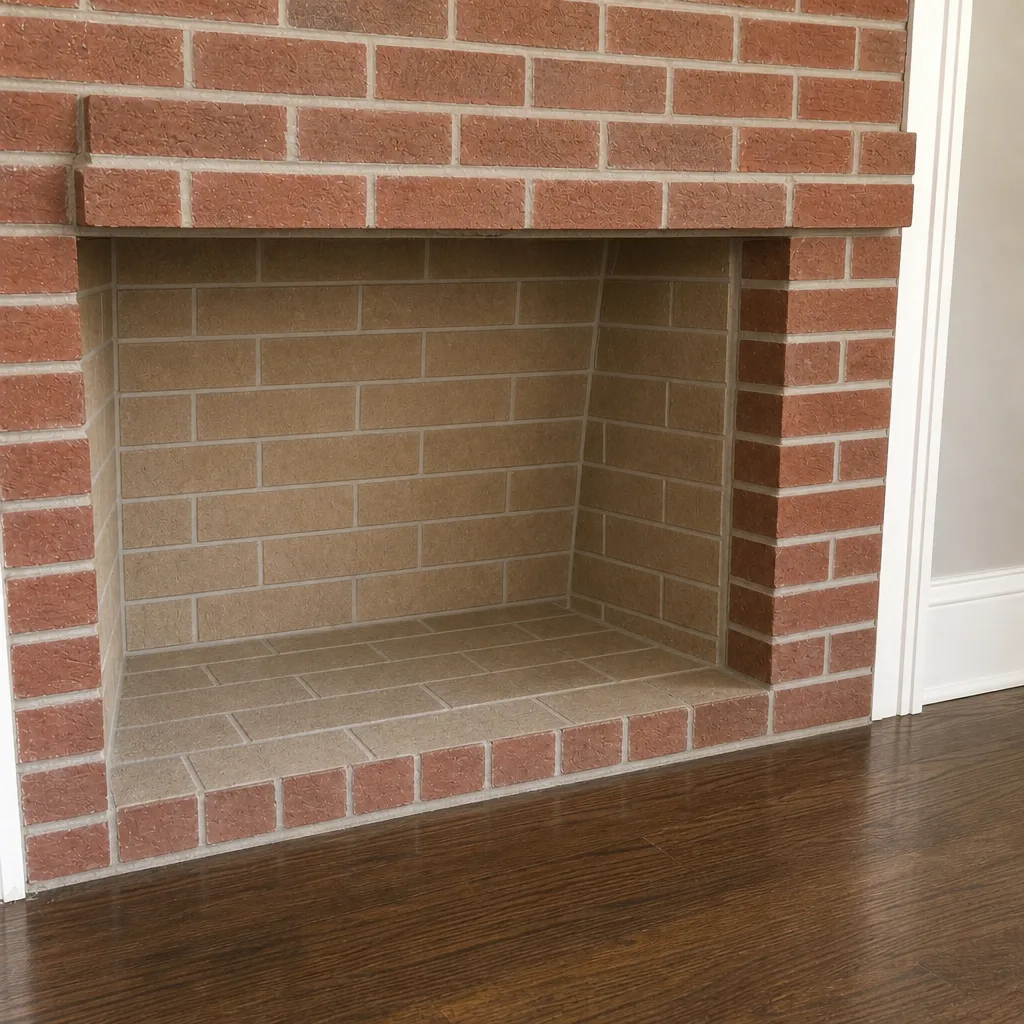
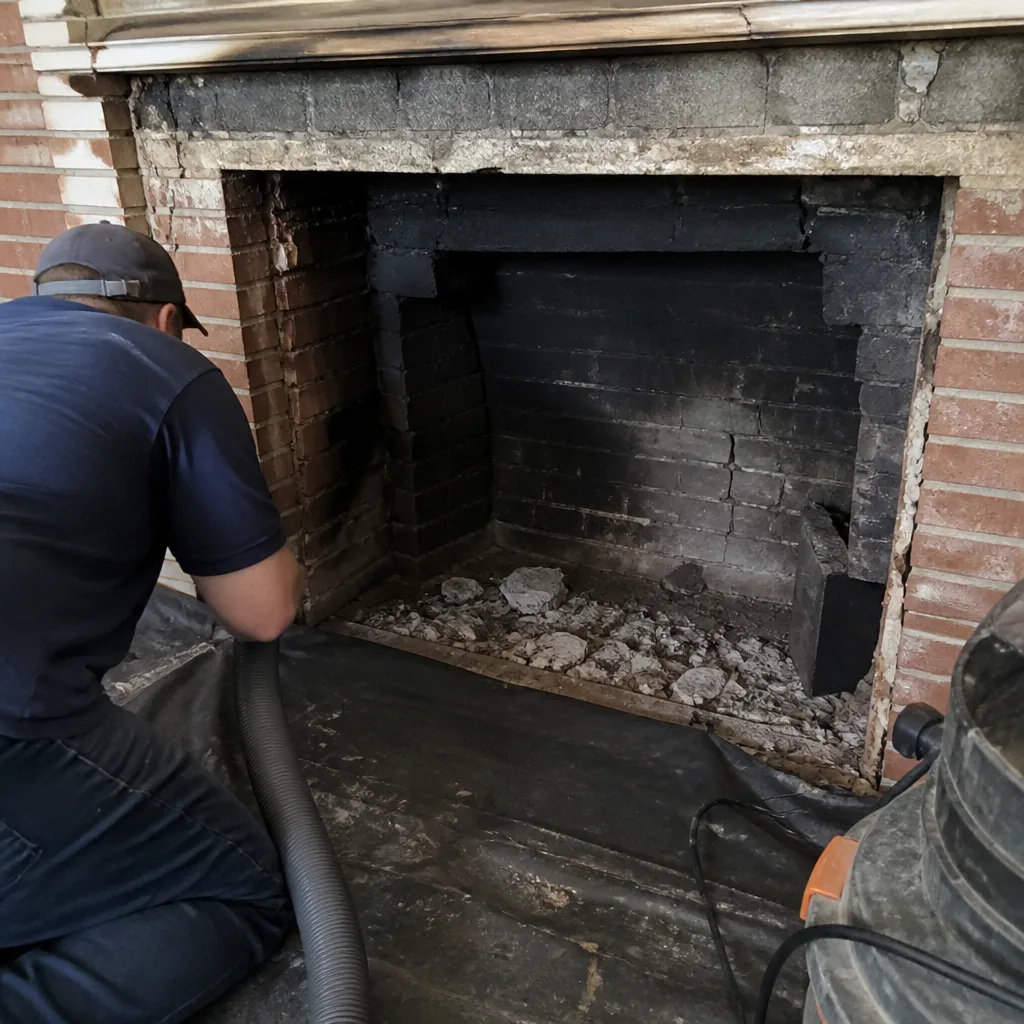
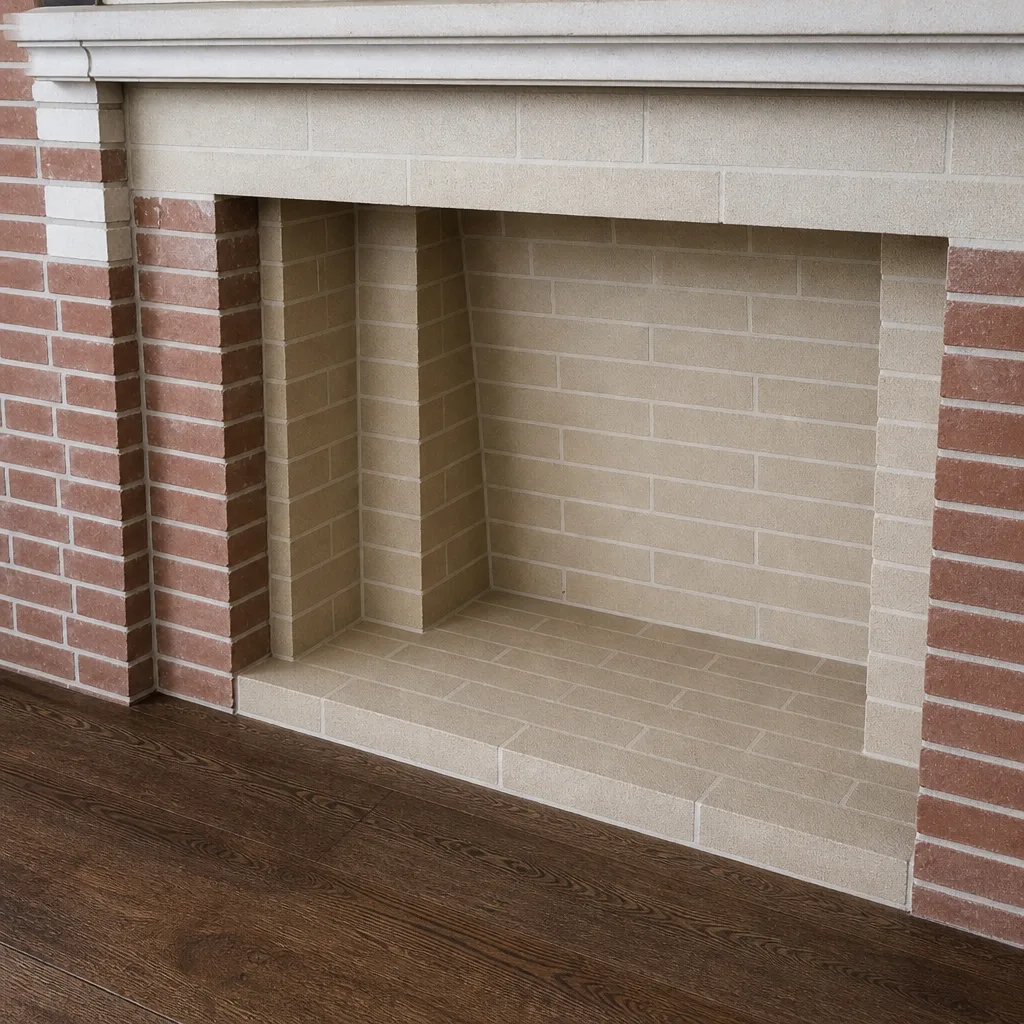
See the difference
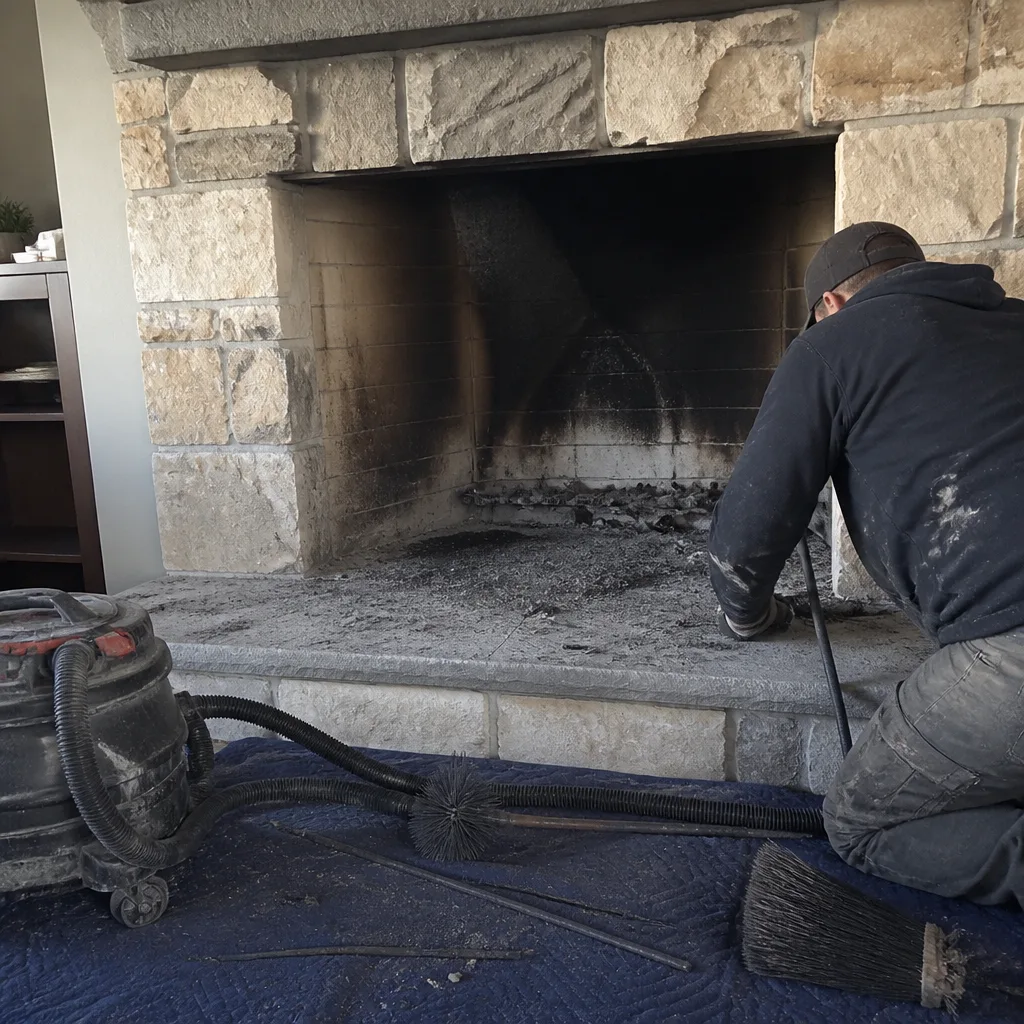 Before
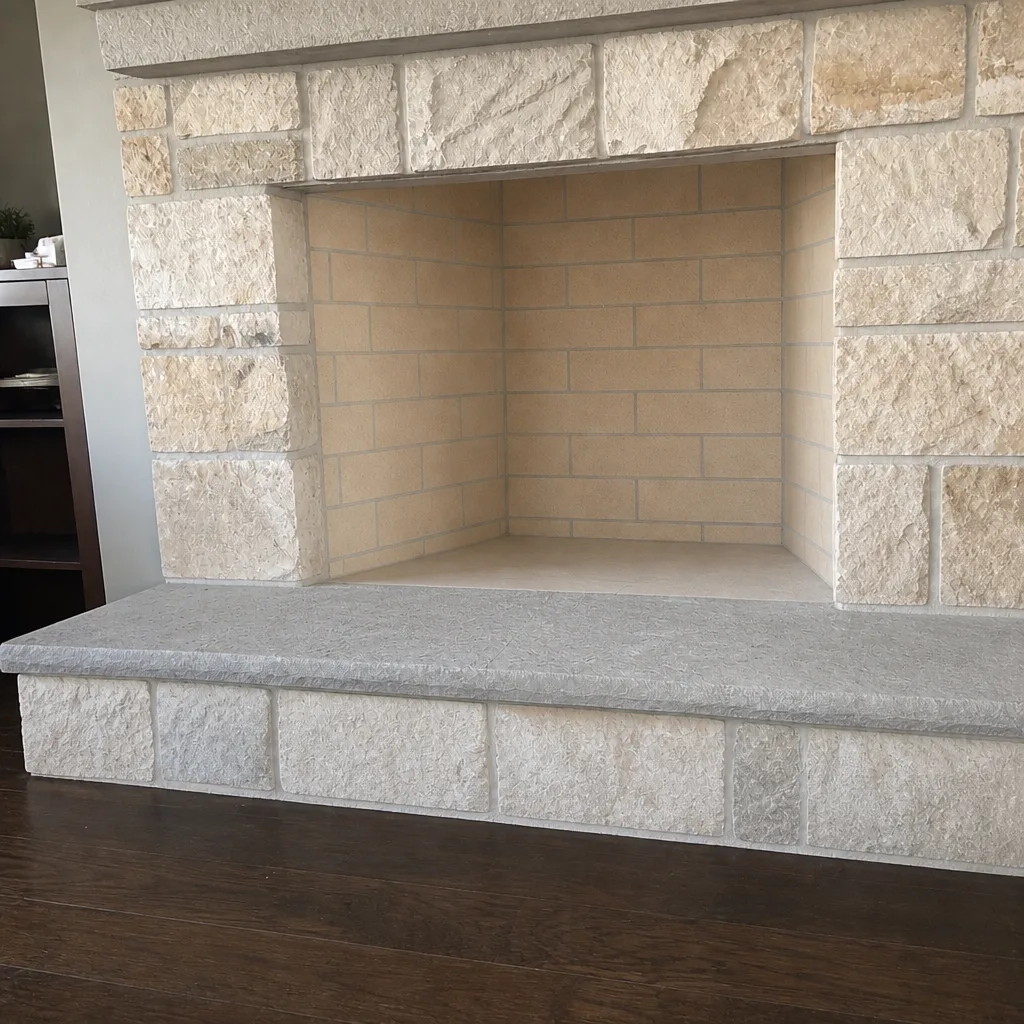 After
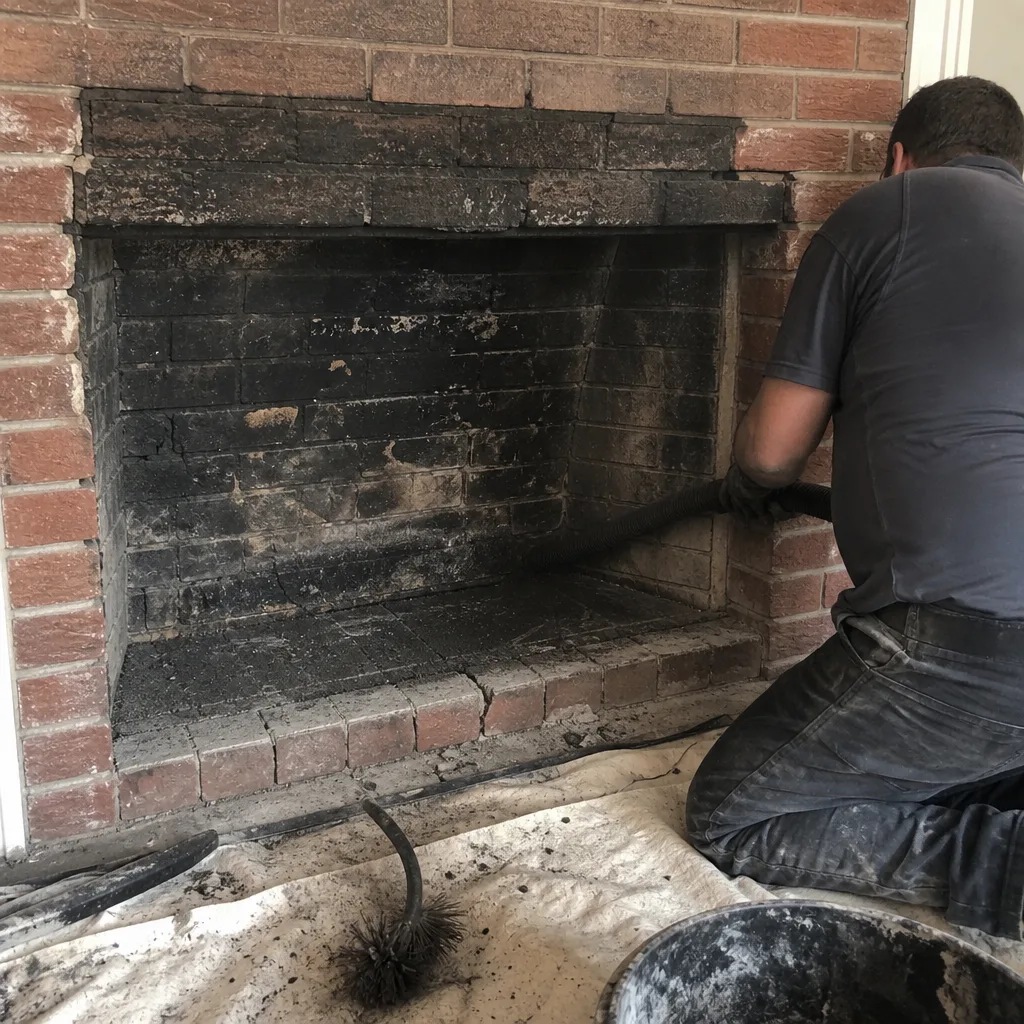 Before
 After
 Before
 After
When to Call a Professional
Some chimney work is genuinely routine and some is not, and the difference should guide when you call. Call a professional when the flue hasn’t been swept in a year of regular burning, when you smell smoke in the house on days the fireplace isn’t in use, when you see cracked or spalling crown material from the ground, or when a cap is missing or damaged. Call before a real-estate closing so the buyer or seller has a documented condition report. Call when an insurer asks for documentation. And call when you’ve been told you need liner or firebox work and want a second look at the evidence.
Salt Lake City Chimney Sweep Pros offers free estimates in Salt Lake City. Call (844) 443-4875. We answer 24/7. Fast dispatch from 7am to 7pm, Sunday through Friday. Estimates are free and the price is set per job by the written estimate.
Frequently Asked Questions
A routine chimney sweep is priced per job by a written estimate after the technician assesses the chimney, so the accurate number depends on what the inspection finds. Ask for the estimate in writing before work begins, and confirm what it includes: the sweep, the inspection, and any documentation. Call (844) 443-4875 for an exact quote. Estimates are free.
Only if the existing flue can’t safely vent the appliance. A liner recommendation should follow a documented inspection that shows the inside of the flue: cracks, gaps in clay tile, an oversized flue, or deterioration that lets combustion gases into the structure. If a company can’t show you those conditions, ask for the evidence before agreeing. HeatShield resurfacing and DuraFlex liner systems are two options we work with, chosen based on what the inspection shows. Call (844) 443-4875 for a free estimate.
Once a year for a wood-burning chimney that sees regular use, and more often if you burn heavily or notice a buildup on the flue walls. Annual sweeping also gives you the inspection documentation that most insurers and real-estate transactions expect. Salt Lake City homeowners with gas fireplaces should have the venting and the firebox checked at least annually even without creosote concerns. Call (844) 443-4875 to book a sweep.
Creosote builds up on the flue walls, and glazed creosote can ignite, which is the driver behind chimney fires. Separately, a blocked or damaged flue can let carbon monoxide back into the house. These are the two real risks, and both build up quietly over time. A sweep and a documented inspection are how you stay ahead of them. Call (844) 443-4875 for an exact quote on a sweep and inspection. Estimates are free.
Look for a company that can name the brands it installs for the specific repairs it offers, not just the brands it uses for cleaning. In Salt Lake City, professional-grade brands like HeatShield, DuraFlex, Gelco, and Copperfield show up on the rosters of specialists who can complete liner work, firebox resurfacing, and crown repair without subcontracting. Ask which brands they use and why. Call (844) 443-4875 for a free estimate.
We do. The estimate is free and the price is set per job by the written estimate after we’ve looked at the chimney. Nothing is recommended without camera evidence you can see for yourself, and we’ll tell you plainly when work can safely wait. Call (844) 443-4875. We answer 24/7. Fast dispatch from 7am to 7pm, Sunday through Friday.
The Bottom Line
The products a chimney company stocks tell you what kind of business you’re hiring before any work begins. A specialist who names specific brands for crown repair, smoke chamber restoration, and liner work is equipped to complete the full range of chimney services. A generalist who can’t name them is likely to decline, subcontract, or substitute. For Salt Lake City homeowners, the stakes are higher because freeze-thaw and hard water are unforgiving on the wrong material choices. Ask the questions, read the documentation, and hire the company that can show you its evidence. One call, every chimney need: a sweep, an inspection, a fireplace repair, all handled by a team that works with professional-grade materials every day.
Questions about materials, brands, or what a specific repair involves? Call (844) 443-4875. We answer 24/7. Fast dispatch from 7am to 7pm, Sunday through Friday. Estimates are free.
Written by the team at Salt Lake City Chimney Sweep Pros.