
Last updated November 25, 2026
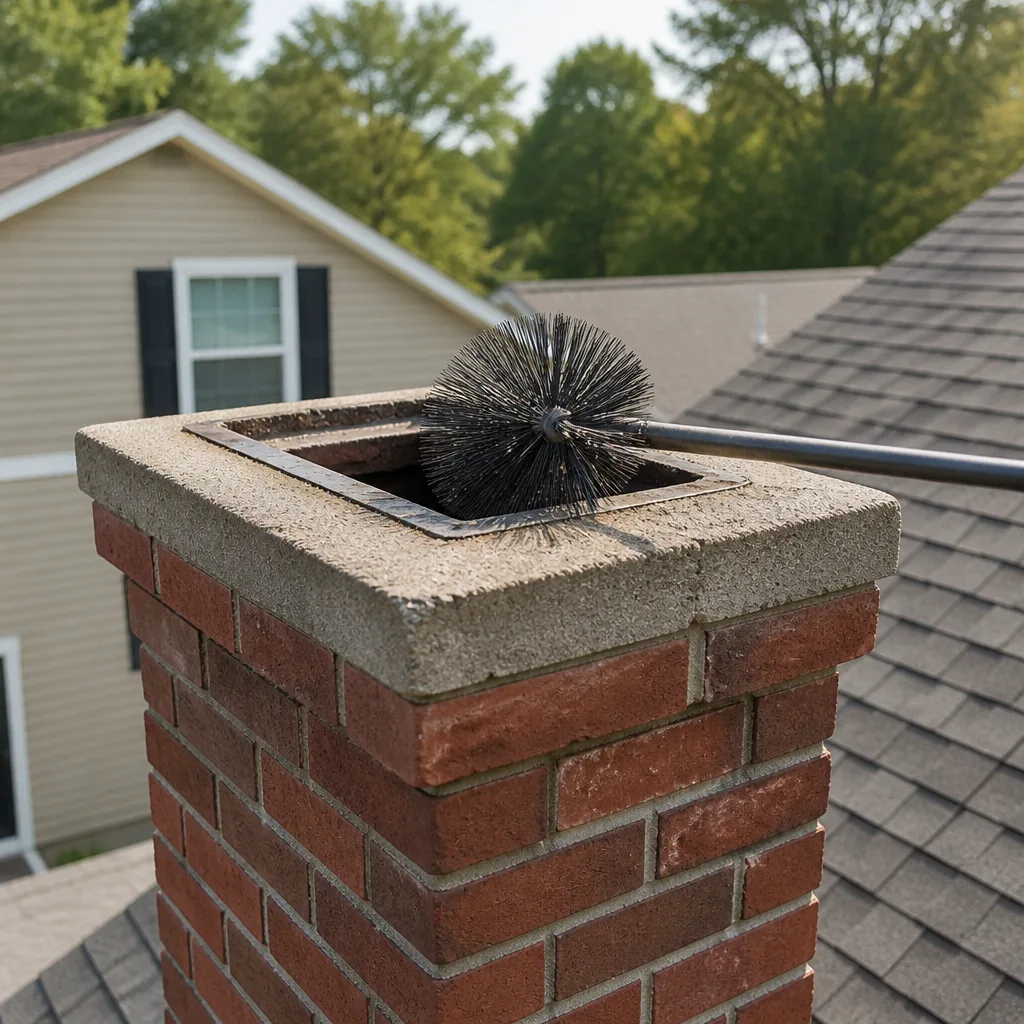 Sweep & inspection
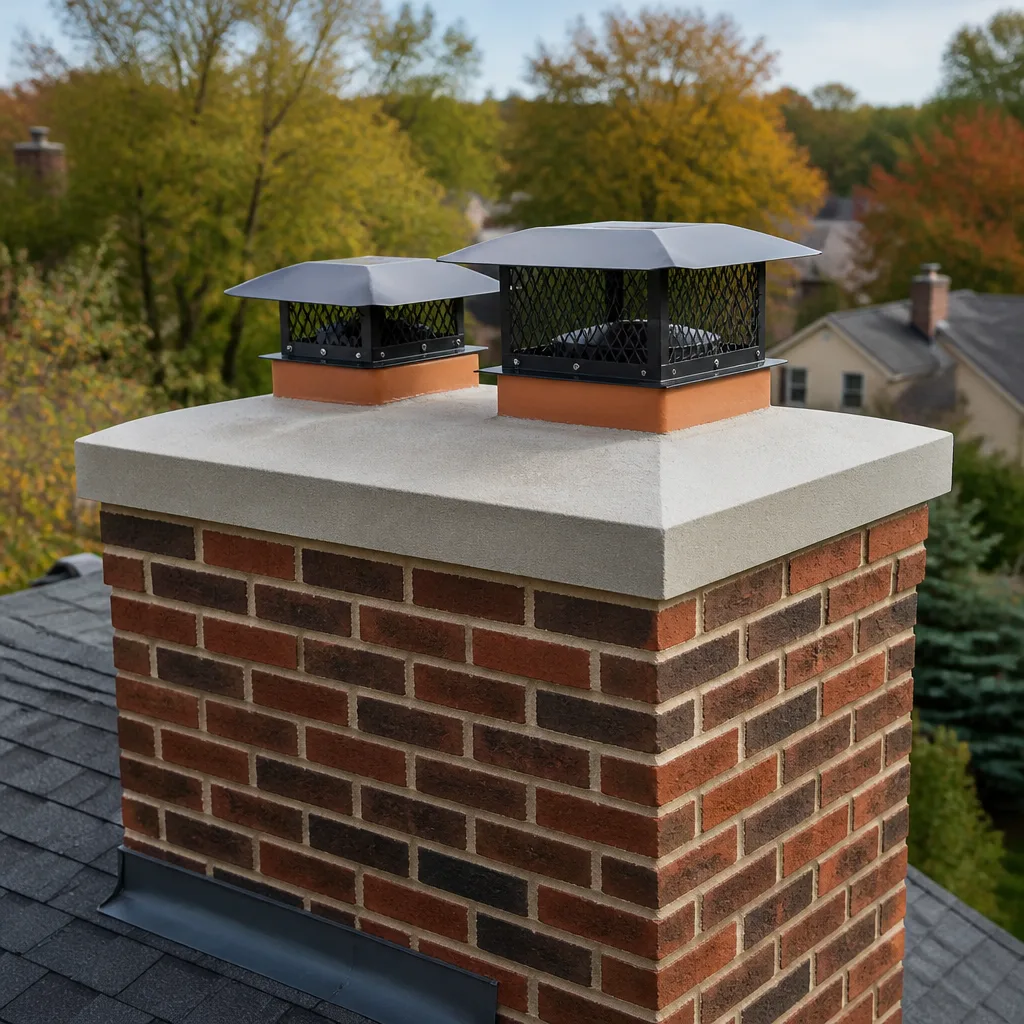 Caps & crowns
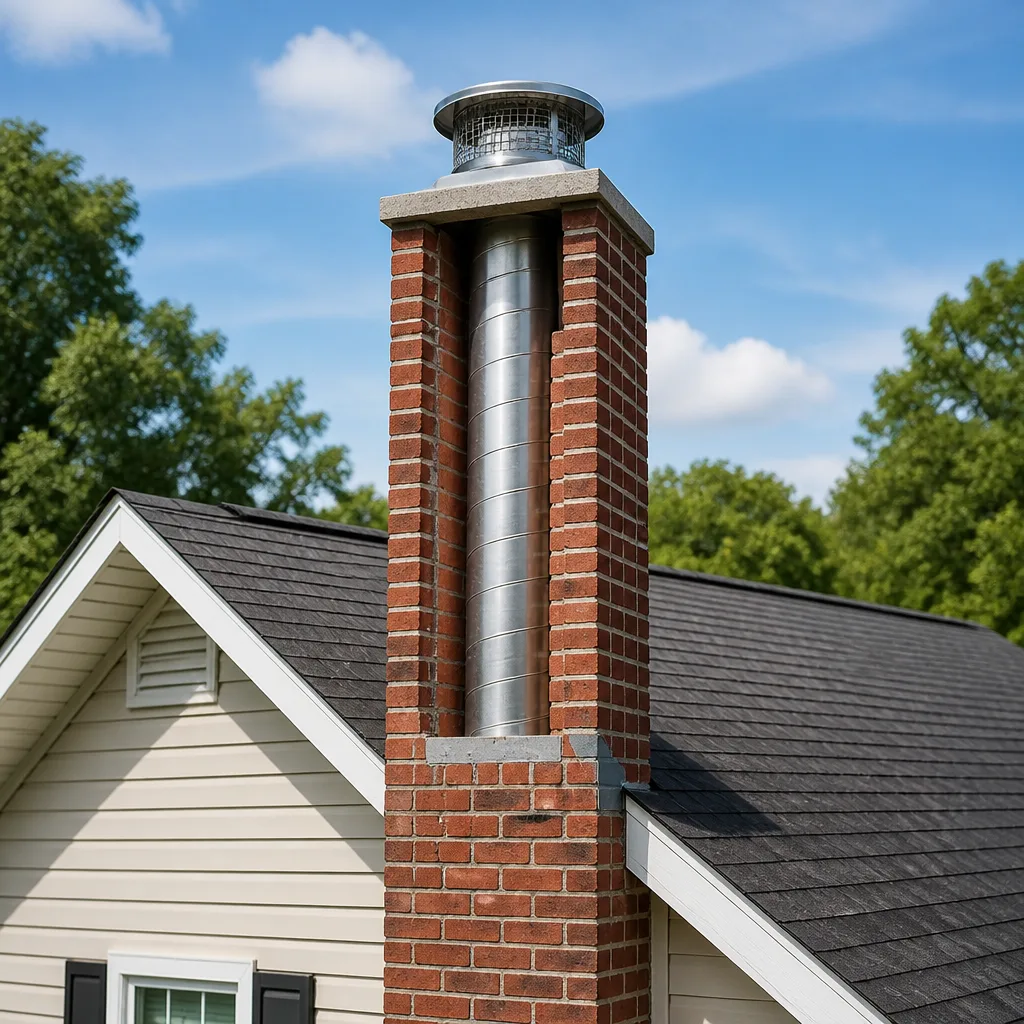 Flue relining
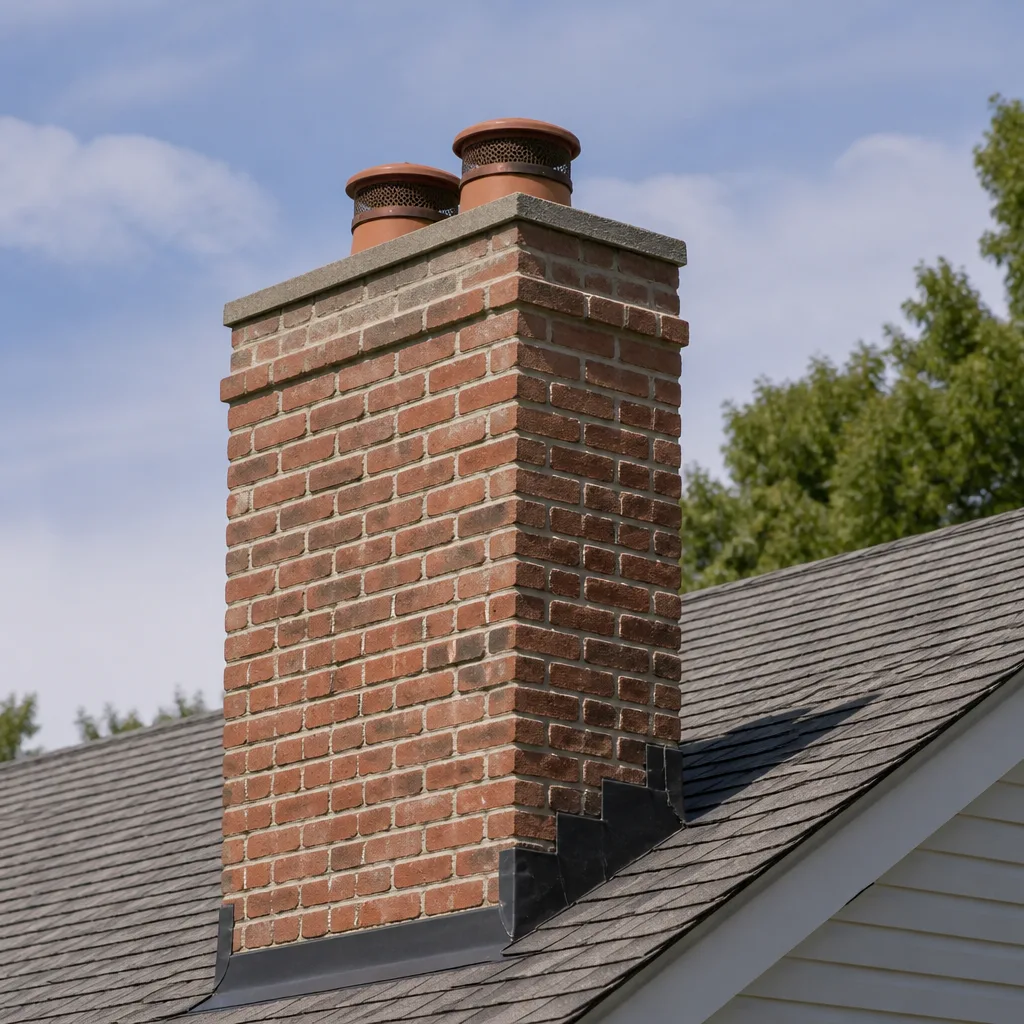 Masonry repair
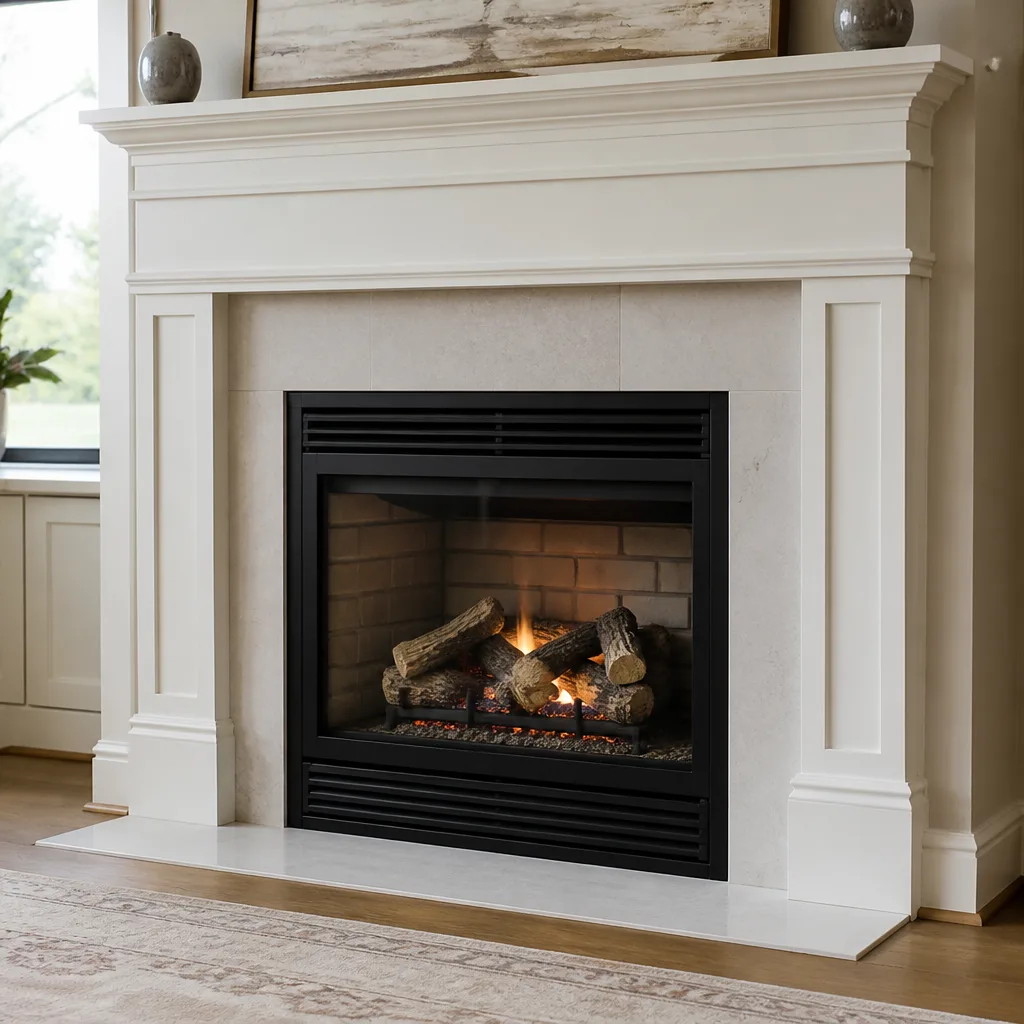 Gas fireplace service
Level 1 sweep and inspection to the NFPA 211 annual standard - flue, crown, cap, and flashing checked and photographed
Chimney sweep logs do not sweep chimneys. They loosen some creosote - which then falls where a brush and vacuum still have to collect it.
Seasonal Chimney Cleaning Care for Salt Lake City: Year-Round Homeowner’s Guide
Most homeowners in Salt Lake City think about their chimney twice: once when they light the first fire in October, and once when something smells wrong. This guide is built on a different idea. A chimney in this valley lives through four distinct seasons, and each one puts a different kind of wear on the flue, the crown, and the firebox. Late March is the proof. The burning has stopped, the flue is still warm from a season of use, and residual creosote is sitting there waiting for the next round of moisture to move in. What happens in the next few weeks matters more than most homeowners realize. We’ll walk through what each season asks of you, what to check, when to schedule, and how to keep a record that actually reflects how you burn.
Styles & brands we work with
- Sweep & inspection
- Caps & crowns
- Flue relining
- Masonry repair
- Gas fireplace service
Quick Answer
Chimney care in Salt Lake City should follow the seasons, not the calendar year. Sweep in spring once deposits are exposed and before moisture sets in, inspect the crown after freeze-thaw, watch for nesting and monsoon moisture in summer, book your pre-season sweep and any repairs in early fall rather than waiting for the first inversion advisory, and monitor creosote during heavy winter burn. A service log organized by season gives a far more accurate maintenance picture than counting years.
Table of Contents
- Why Chimney Care in Salt Lake City Follows Four Seasons, Not One
- Spring: The Sweep You Shouldn’t Skip and What Freeze-Thaw Does to the Crown
- Summer: Monsoon Moisture, Nesting Season, and Federally Protected Birds
- Fall: Timing the Pre-Season Sweep Around Inversion Season
- Winter: Managing Creosote During Heavy Burn Periods
- Building a Service Log That Follows Seasons, Not Years
- From Annual Sweep to Full Structural Repair: What Specialists Actually Do
- Common Mistakes to Avoid
- When to Call a Professional
- Frequently Asked Questions
- The Bottom Line
Why Chimney Care in Salt Lake City Follows Four Seasons, Not One
The standard advice everywhere is “sweep once a year before winter.” That advice was written for a climate with one cold season and one shoulder season. Salt Lake City doesn’t work that way. The valley moves from hard winter burn into a wet spring thaw, a dry summer that breaks into monsoon storms, and a fall that can flip from 70 degrees to snow inside a few weeks. Each transition touches the chimney differently.
Here’s the core problem with annual-event thinking. If you sweep in October and then never look again, you’re blind to everything that happened to the masonry over the previous eight months. Cracks that opened during a February freeze-thaw, a crown that lost a chunk of mortar in April, a nest built in June, water intrusion from a July monsoon cell that stalled over the Wasatch bench. None of these show up on a fall sweep until they’ve already caused damage.
We’ve seen this pattern repeatedly. A homeowner calls in November convinced the chimney is fine because it was swept last year. The sweep was fine. What changed was the twelve months of weather between sweeps, and the flue is now lined with a crack that opens every time the fire heats it up.
So the framing that actually works is four risk windows, not one event. Spring handles the transition out of the burn season. Summer handles moisture and wildlife. Fall is about timing and scheduling. Winter is about monitoring. When you treat each season as its own window with its own risks, the annual sweep becomes one part of a system rather than the whole system.
Here’s what that looks like for a typical Salt Lake City homeowner with a wood-burning fireplace:
- Spring: sweep once residual creosote is exposed, and inspect the crown and masonry for freeze-thaw damage.
- Summer: check for nesting, keep water out of the flue, watch for monsoon-driven leaks.
- Fall: sweep before the first fire and complete any repairs before the season gets busy.
- Winter: monitor creosote buildup, watch for smoke drafting issues, and understand what signals a mid-season inspection.
Each of those is a manageable task. Skipping one of them doesn’t usually cause a disaster immediately. It just moves the risk forward, and it compounds.
Spring: The Sweep You Shouldn’t Skip and What Freeze-Thaw Does to the Crown
Spring is the most underrated season for chimney care in Salt Lake City, and it’s the one that matters most for the health of the flue. That’s because of what’s sitting inside it right now. After a full burn season, the flue walls carry a layer of creosote, and creosote has a compound problem with spring. It’s still there, it’s exposed, and the moisture from snowmelt and spring rain begins interacting with it. Time and warmth are all that deposit needs to become more corrosive to the masonry it’s sitting against.
That’s why a post-season sweep makes more sense than waiting until fall. By clearing the deposits in April or May, you’re removing the corrosive layer before the wet months do their worst. By fall, the flue has had five months to sit clean rather than five months to sit stewing.
The second big spring task is the crown. A masonry crown is the sloped cap at the top of the chimney, and it exists for one reason: to shed water away from the flue and the mortar joints below. In a Salt Lake City climate, the crown sees repeated freeze-thaw cycles from the first hard frost to the last. Freeze-thaw is the mechanism that quietly splits mortar. Water works into a hairline crack, freezes overnight, expands, thaws the next day, and the crack is now a little wider. Repeat a few dozen times over one winter and a small defect becomes a real failure.
What to check when the snow clears:
- Crown surface: any visible crack, spalling, or a crust that looks like it’s lifting off the top.
- Crown slope: the crown should shed water away from the flue. A flat or slightly dished crown holds water against the masonry.
- Mortar joints: looking from the ground with binoculars, are the joints still full and firm, or do they look recessed and crumbly?
- Masonry staining: white, chalky efflorescence or dark water streaks on the exterior suggest moisture is moving through the masonry rather than shedding off it.
If the crown is cracked or spalling, a rebuild with a proper mix and mix-ins designed for freeze-thaw climates is generally the right fix rather than a smear of sealant. See chimney cap & crown for what that repair involves and why it’s worth doing properly.
There’s also the question of when to schedule the sweep itself. Our recommendation is right after you stop burning for the season, so the deposits come out while they’re fresh and before the wet months. A spring sweep is the most efficient version of the annual service. Call (844) 443-4875 for an exact quote. We answer 24/7. Fast dispatch from 7am to 7pm, Sunday through Friday.
Summer: Monsoon Moisture, Nesting Season, and Federally Protected Birds
Summer feels like the season when you don’t have to think about the chimney, and that’s precisely why it deserves attention. The valley’s summer is hot and dry, but from the middle of summer through early fall, monsoon moisture pushes into northern Utah. Thunderstorms can drop significant rain in short bursts, and a chimney is a vertical funnel with a hole in the middle of it.
Where does the water go if the cap is missing or damaged? Down the flue. If the crown is cracked, water seeps into the masonry and shows up as a damp stain on the interior of the chimney breast weeks later. If the firebox has a smoke chamber that wasn’t properly sealed, water can enter through the top and find its way into the firebox or the attic around the flue penetration.
This is where a properly installed cap earns its cost. A cap with screens keeps water, animals, and debris out of the flue while still allowing exhaust to escape. If the cap was damaged by a winter ice event or simply aged out, summer is the easiest time to have it replaced. There’s no fire in the firebox, no burning season pressure, and no November backlog. A replacement cap sourced from a professional-grade manufacturer like Olympia Chimney gives you a component rated for the exposure it will see.
The other summer issue is wildlife. Nesting season puts birds looking for sheltered spots, and an uncapped or damaged-cap flue is a prime candidate. Two species commonly show up in flues in this region: chimney swifts and swallows.
- Chimney swifts are federally protected under the Migratory Bird Treaty Act. Removing an active nest is illegal, and it’s also a genuinely bad idea for the birds.
- Swallows build mud nests that attach to the flue walls or the cap, and those nests become obstructions and potential fire hazards once they dry out.
If you hear chirping or scratching from the flue in summer, that’s your cue to call. A specialist can identify what’s up there, explain the legal constraints if it’s a protected species, and handle the removal correctly once the nest is no longer active. Doing it yourself can create a serious carbon monoxide and fire risk on top of the legal problem.
While we’re on summer, one word on checking the exterior. Take a walk around the chimney base and look at what meets the roofline. Water staining on the roof around the chimney, or missing flashing, will send water into the attic long before anyone notices it in the firebox. A spring or early-summer inspection is the cheapest time of year to catch this.
Fall: Timing the Pre-Season Sweep Around Inversion Season
Fall is when most Salt Lake City homeowners think about the chimney, and that instinct is fine, but the timing is usually wrong. The typical pattern is: wait until the first cold snap, light a fire, notice the smell, then call for a sweep and a repair in the middle of October along with everyone else in the valley. That’s the busiest few weeks of the year for anyone in this trade, and it makes repair scheduling tighter than it needs to be.
The better approach is to treat early fall as a deadline rather than a trigger. That means booking the pre-season sweep in September, getting any inspection findings in hand, and completing repairs before the first hard freeze and before the valley’s first inversion advisories.
Why inversion season matters here in particular. During an inversion, a layer of cold air settles in the valley and traps warmer air above it. Wood smoke that would normally disperse stays put. The result is a period where any avoidable smoke from your chimney has a bigger impact on the air in your neighborhood, and the valley’s air quality advisories can put restrictions on burning. Those advisories don’t create chimney problems, but they do change the calculus around how you burn and how much creosote you produce during the fall shoulder season.
The other fall consideration is what the shoulder season itself does. Fall in Salt Lake City is a temperature rollercoaster. You can burn a fire one night and have the windows open the next. Those short, cool, low-load fires are the ones that produce the most creosote per log, because the flue stays cooler and the smoke doesn’t fully combust. A fall sweep before the real burn season means the deposits from fall don’t get a chance to compound with the heavy winter ones.
Our recommended fall sequence for a Salt Lake City homeowner:
- Early September: book the pre-season sweep and inspection. Ask for a written report.
- Mid-September: review any recommended repairs. Decide what to complete before winter and what can safely wait.
- Late September or early October: complete cap, crown, or liner work if needed. Don’t let a repair wait until the first cold snap forces the schedule.
- Before the first fire: do a quick visual check of the firebox and flue opening, confirm the damper operates, and make sure the cap is secure.
If a needed repair can wait safely, we’ll tell you so, and we’ll explain why. If it can’t, we’ll show you the evidence from the camera inspection before recommending anything. That’s not a sales pitch. It’s how the recommendation should work.
Winter: Managing Creosote During Heavy Burn Periods
Once the burn season is in full swing in Salt Lake City, chimney care shifts from “schedule” to “monitor.” The fire is going regularly, the flue is hot, and creosote is forming. Some creosote formation is normal. The question is how fast it’s building and whether it’s the kind that burns.
Creosote comes in different forms, and the difference matters. The light, flaky deposit you can brush away easily is stage one. The harder, glazed variety that builds up when the flue runs cool and the smoke condenses is the dangerous kind, and it’s the deposit most closely associated with chimney fires. It also can’t be brushed off by a homeowner with a hand brush, and it can’t be treated as a minor cosmetic issue.
What actually determines how fast creosote builds:
- Burn temperature: hot, efficient fires produce less creosote. Damp or restricted fires produce more.
- Wood moisture: unseasoned wood gives up its water in the firebox, dropping the burn temperature and increasing deposits.
- Flue size: an oversized flue for the fireplace opening lets the flue run cool and condense.
- Air supply: a restricted damper or a closed-off firebox starves the fire and increases smoke, which means increased deposits.
- Burn frequency: a fireplace used every night for four months will build deposits faster than one used twice a week.
During the heaviest stretch of winter, when the fire is going most days, it’s reasonable to think about a mid-season check. That’s not alarmist. It’s the equivalent of checking the oil in your car partway through a long road trip. A mid-season inspection is most warranted when you notice any of the following:
- Visible smoke backing into the room when the fire is burning.
- A strong, sharp odor of creosote even when no fire is lit.
- A louder, rumbling sound during a burn whooshing or roaring that sounds different from the usual fire.
- A dark, hard crust visible if you can see into the firebox throat.
- Creosote flecks falling into the firebox.
If any of those show up, stop burning and have the chimney checked. Nothing is gained by waiting. Call (844) 443-4875. We answer 24/7. Fast dispatch from 7am to 7pm, Sunday through Friday.
Building a Service Log That Follows Seasons, Not Years
The default way of tracking chimney maintenance is by calendar year. “I had it swept in 2024, so it’s due in 2025.” That’s not a bad system, but it doesn’t match how chimneys actually age in Salt Lake City. The valley’s burn patterns vary a lot between households. Two neighbors can burn a completely different amount of wood in the same year depending on what kind of fireplace each has and how cold-tolerant they are. A year-based log treats them identically.
A season-based log is more useful. It tracks what actually happened, when it happened, and what the conditions were.
What a useful Salt Lake City service log includes:
- Season and date of each service. “Spring 2025 sweep” is more useful than just “2025.”
- Estimated cords burned between services. A rough number is fine. It’s the trend that matters.
- Wood type and seasoning. “Seasoned hardwood” versus “mixed, some green” tells a specialist a lot.
- Creosote stage noted on the inspection report. Stage one, two, or three, along with any notes the technician took.
- Photographs from the inspection. Camera photos of the flue, firebox, and crown give you a visual baseline against which later findings can be compared.
- Repairs completed and components installed. The year a cap was replaced, the year a liner was relined, the brand and model of each component.
- Any behavioral observations. “Drafts poorly when it’s below 20” or “smoke smell on windy days” are not complaints. They’re data.
If you have a log like this, a specialist can look at it and know in five minutes where the chimney has been and where it’s likely headed. If you don’t have one, you’re starting each visit from zero. We’ll build the log for you as a natural part of any inspection, and it makes the recommendation process much cleaner down the road. If you’re brand new to the process, start with a chimney sweep and ask for the inspection write-up as part of the visit.
A season-based log also makes it easier to decide whether to continue burning. A homeowner looking at three years of stage-three creosote in spring sweeps is seeing a different picture than one looking at three years of stage one. Both “year three” on a calendar. Very different chimneys.
From Annual Sweep to Full Structural Repair: What Specialists Actually Do
There’s a real difference between a company that sweeps and a company that works within the chimney trade. Sweeping is the entry-level service, and it’s important. But a chimney is a system: the crown, the cap, the liner, the smoke chamber, the firebox, the damper, the flashing. When something goes wrong, the repair often crosses several of those parts, and a generalist contractor is rarely equipped to handle it properly.
Here’s what specialist-level service actually covers, and why each part matters for Salt Lake City homes:
- Annual sweep: the fundamental service. Removes the creosote, gives the flue a clear interior, and creates the visual baseline for the inspection.
- Inspection: a documented safety baseline, useful for annual records, real-estate transactions, insurance requirements, and pre-purchase or post-purchase walkthroughs. A written report with photos is the standard here.
- Crown and cap: the water-shedding and wildlife-exclusion parts of the system. In a freeze-thaw climate, these take the most weather abuse.
- Liner repair and relining: a deteriorated or oversized flue can be relined with a flexible liner system. A product like DuraFlex is what we use when a flue needs relining, and it’s a solution a sweep-only competitor can’t offer.
- Firebox and smoke chamber restoration: this is where specialist capability really shows. A firebox that has spalled or cracked is not just a cosmetic issue; it’s a place where water and heat can reach the structure behind. HeatShield is a patented resurfacing system for fireboxes and smoke chambers, and it’s a repair that much of the trade can’t perform.
- Fireplace repair: from the firebox to the damper and the smoke chamber, the parts of the fireplace itself need service beyond just the flue. See fireplace repair for what that involves.
We work with a clean, professional-grade material stack: DuraFlex liner systems, HeatShield firebox and liner resurfacing, Gelco, Olympia Chimney, Famco, and Copperfield. These are the same supply chains trusted by certified chimney professionals, and using them means the repair we do is the repair a specialist shop would do, not a best-effort approximation with hardware-store substitutes.
One more thing worth saying about repair scheduling. If a winter inspection turns up a finding that needs repair, we will tell you plainly whether it can wait for spring or whether it shouldn’t. A hairline crack that isn’t compromised is different from a failed crown above a compromised flue. The honest answer is not always “fix it now,” and telling you when it can safely wait is as much a part of specialist service as telling you when it can’t. Our technicians have up to 15 years of experience, and that experience mostly shows up in knowing the difference.
For homeowners in neighborhoods across the valley, from the Avenues to Sugar House to the east bench, the repair schedule is the same. If you’re not sure where to start, a Salt Lake City Chimney Sweep Pros inspection is the clean entry point. One call, every chimney need, from annual sweep to full structural repair.
Common Mistakes to Avoid
- Sweeping only in the fall. A fall sweep misses the entire spring and summer window when moisture, nesting, and freeze-thaw are doing their work. Spring is when the deposits are freshest and the conditions are most damaging.
- Waiting for the first cold snap to call. The first cold week of October is when everyone in Salt Lake City wants a sweep at once. Book in September and you’ll have the report in hand before the season starts, with room to schedule any repair.
- Ignoring the crown because the chimney interior looks fine. The crown is the water-shedding part of the system. A failed crown lets water into the masonry, and the damage shows up months later in a place that costs more to fix.
- Assuming a shared cap is a working cap. A cap that’s missing screens, has bent louvers, or has lost a section is not doing its job. Water, animals, and debris go right past it.
- Removing an active bird nest. Chimney swifts are federally protected under the Migratory Bird Treaty Act, and swallows can build obstructions that are unsafe to clear yourself. Call a specialist and let the timing and removal be done correctly.
- Tracking maintenance by calendar year only. “Swept in 2024” tells you less than “spring 2024 sweep, stage two creosote, medium burn load.” A season-based log is a better maintenance picture for Salt Lake City’s variable burn patterns.
- Trusting a generalist contractor with a chimney repair. A handyman can install a cap. A handyman cannot reline a flue with a proper DuraFlex system, resurface a firebox with HeatShield, or make the judgment call on whether a crack is cosmetic or structural. Chimney work is its own trade for a reason.
When to Call a Professional
Call a professional chimney specialist in Salt Lake City when any of the following is true:
- You haven’t had a sweep in more than a year of regular burning, or you’re not sure when the last one was.
- You’re buying or selling a home and the inspection requires a documented chimney report.
- You’ve noticed smoke backing into the room, a strong creosote smell, or a sound you haven’t heard before during a fire.
- The crown looks cracked, spalled, or dished, or you’re seeing white staining on the exterior masonry.
- You hear chirping or scratching from the flue in summer.
- You’re preparing to reline an older flue, or a previous contractor flagged a flue problem you couldn’t verify.
Salt Lake City Chimney Sweep Pros offers free estimates in Salt Lake City. Call (844) 443-4875. We answer 24/7. Fast dispatch from 7am to 7pm, Sunday through Friday. A camera inspection and photo report come as part of the visit, so you can see exactly what we’re recommending and why.
Frequently Asked Questions
At least once a year for a regularly used wood-burning fireplace, and more often if you burn a lot of wood or notice creosote buildup at the inspection. The best time is spring, once the burning has stopped, so deposits come out before moisture has a chance to interact with them. For heavy burners, a second inspection mid-season is worth considering. Call (844) 443-4875 for an exact quote, and we’ll help you determine the right interval for your burn pattern.
A spring sweep removes deposits before the wet months do damage, while a fall sweep removes deposits before you start burning again. Both are useful, but they serve different purposes. In Salt Lake City’s climate, the spring sweep gives you more protection per dollar because the creosote is exposed to moisture for less time. If you can only pick one, spring is the more efficient choice. If you want both, we can schedule both. Call (844) 443-4875 for a quote.
Not always. A liner needs replacement when the existing flue is deteriorated, cracked, or oversized for the fireplace opening. A camera inspection is what determines that, not a guess. If your current liner is intact and properly sized, we’ll tell you so. If it isn’t, we’ll show you the camera photos and explain the reason before recommending DuraFlex or another professional-grade liner system. Nothing is recommended without camera evidence you can see yourself. Call (844) 443-4875 for an inspection and a free estimate.
Creosote accumulates, the flue becomes a fire risk, and moisture finds its way into the masonry through the crown and joints. The damage is not always obvious until it’s expensive. Skipping spring care in particular means leaving deposits exposed to the wettest months of the year. In Salt Lake City, the freeze-thaw cycle accelerates those problems in ways that a mild climate wouldn’t. Call (844) 443-4875 to schedule a sweep and get a clear report of what condition the chimney is actually in.
Yes. Chimney swifts are federally protected under the Migratory Bird Treaty Act, and swallows build mud nests that become obstructions. If you hear chirping or scratching from the flue in summer, don’t try to clear it yourself. Call a specialist to identify what’s up there and handle removal correctly once any nest is no longer active. Call (844) 443-4875 to schedule an inspection.
We can handle both. Caps and crowns are part of the same chimney system as the flue and firebox, and a specialist repair covers both the diagnosis and the installation with professional-grade components like Olympia Chimney caps. You don’t need to hand the project off to a second contractor halfway through. If you need both a cap and a crown repair, we’ll do both in one trip. Call (844) 443-4875 for a free estimate.
The Bottom Line
Chimney care in Salt Lake City works best when it’s planned around the seasons rather than the calendar year. Spring is for removing deposits before moisture mingles with them and for catching freeze-thaw damage on the crown. Summer is for moisture, monsoon rain, and nesting season. Fall is for booking the pre-season sweep early, before the first inversion advisory makes the schedule tight. Winter is for monitoring, and knowing when a mid-season check is warranted. A season-based service log pulls all of it together into a picture that actually reflects how the chimney has been used. The throughline for all of it is documentation: a safe chimney is a documented chimney. Call (844) 443-4875 for a free estimate. We answer 24/7. Fast dispatch from 7am to 7pm, Sunday through Friday.
Written by the team at Salt Lake City Chimney Sweep Pros.
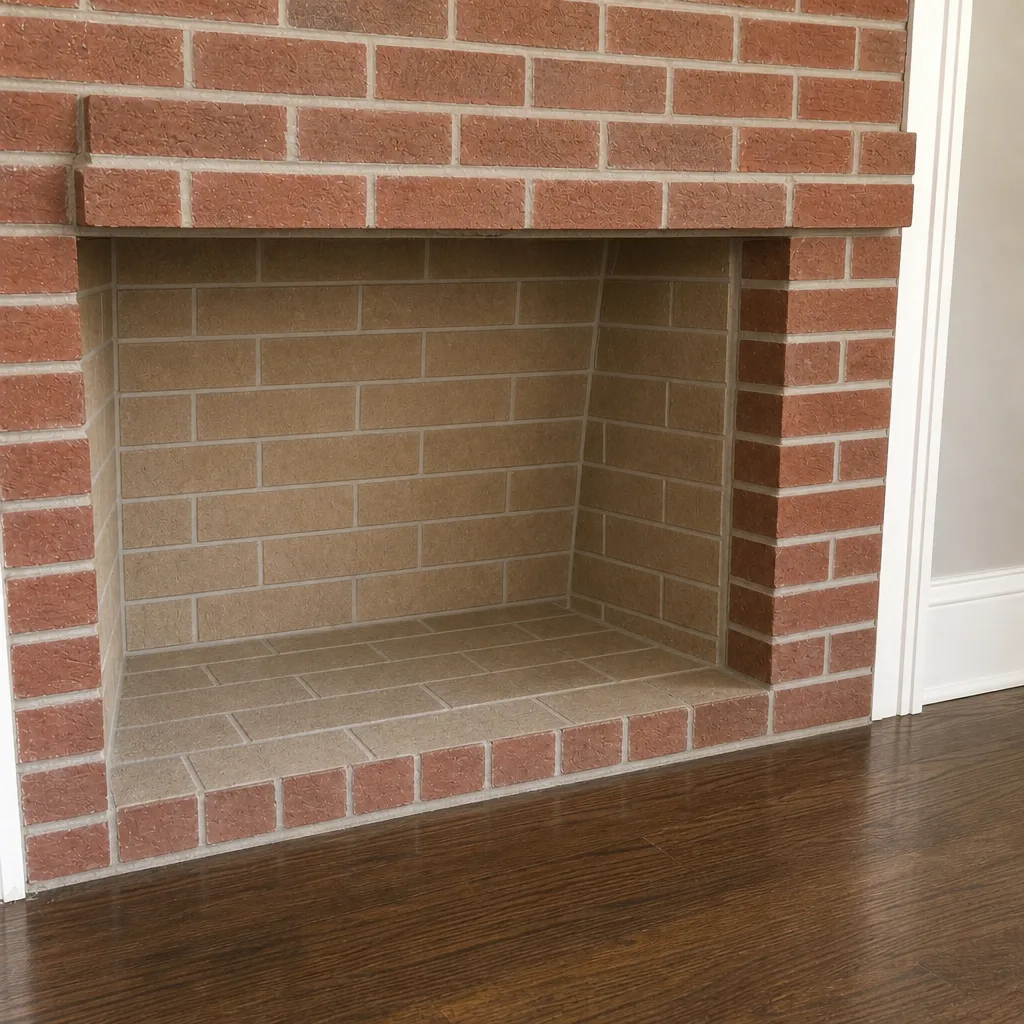
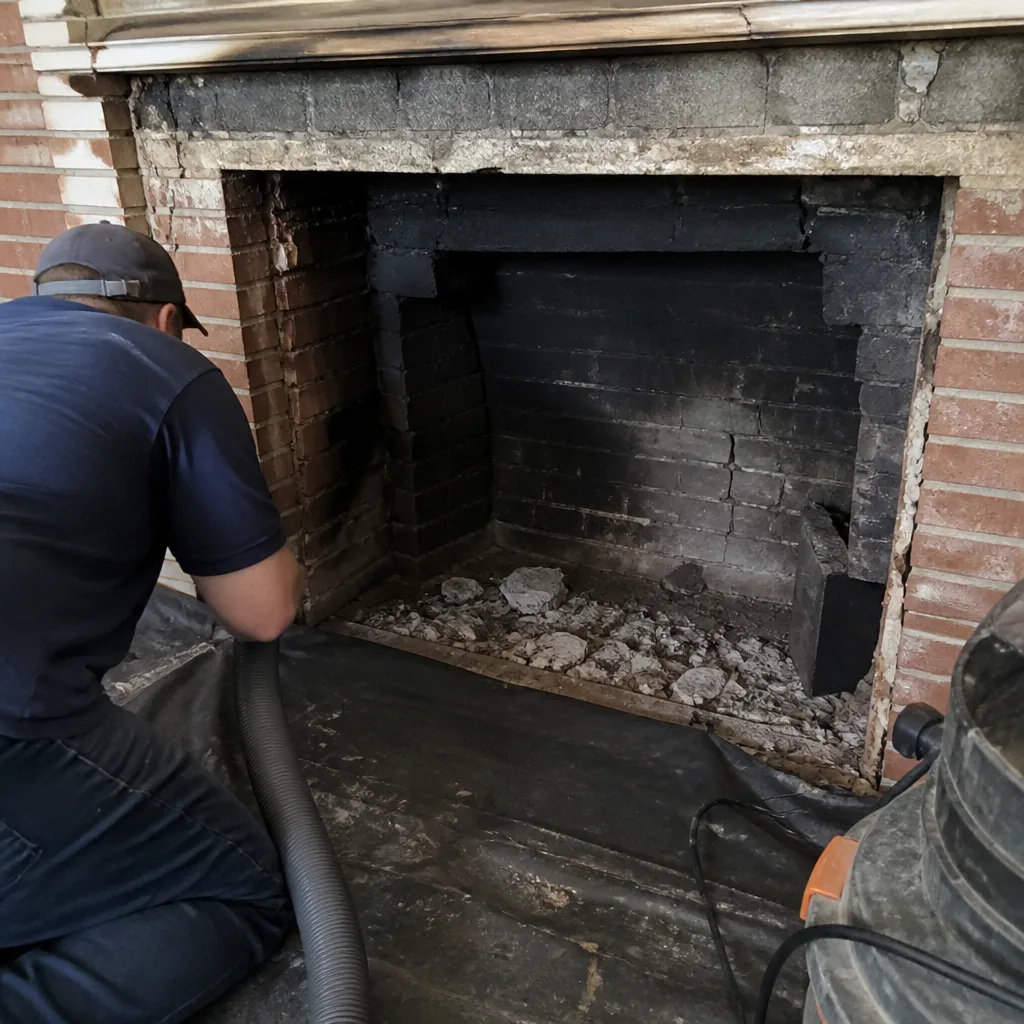
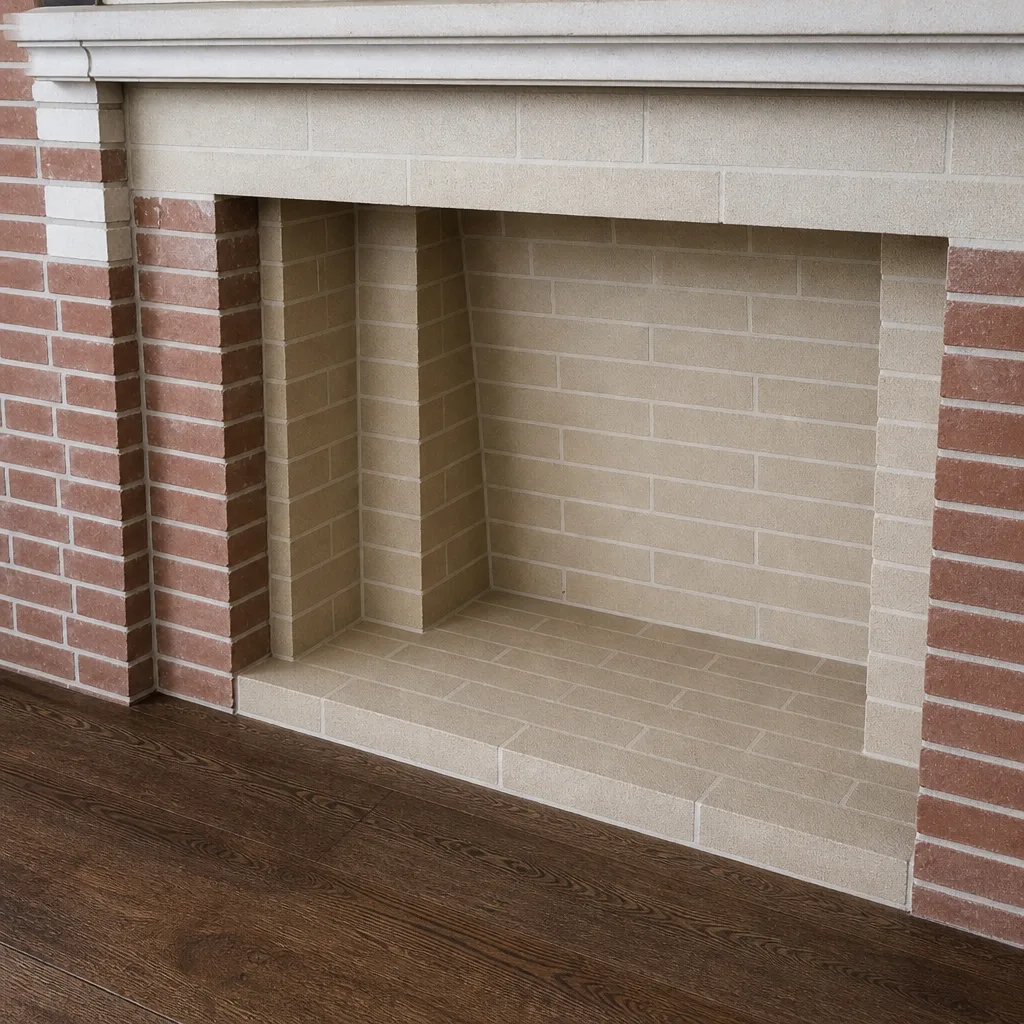
See the difference
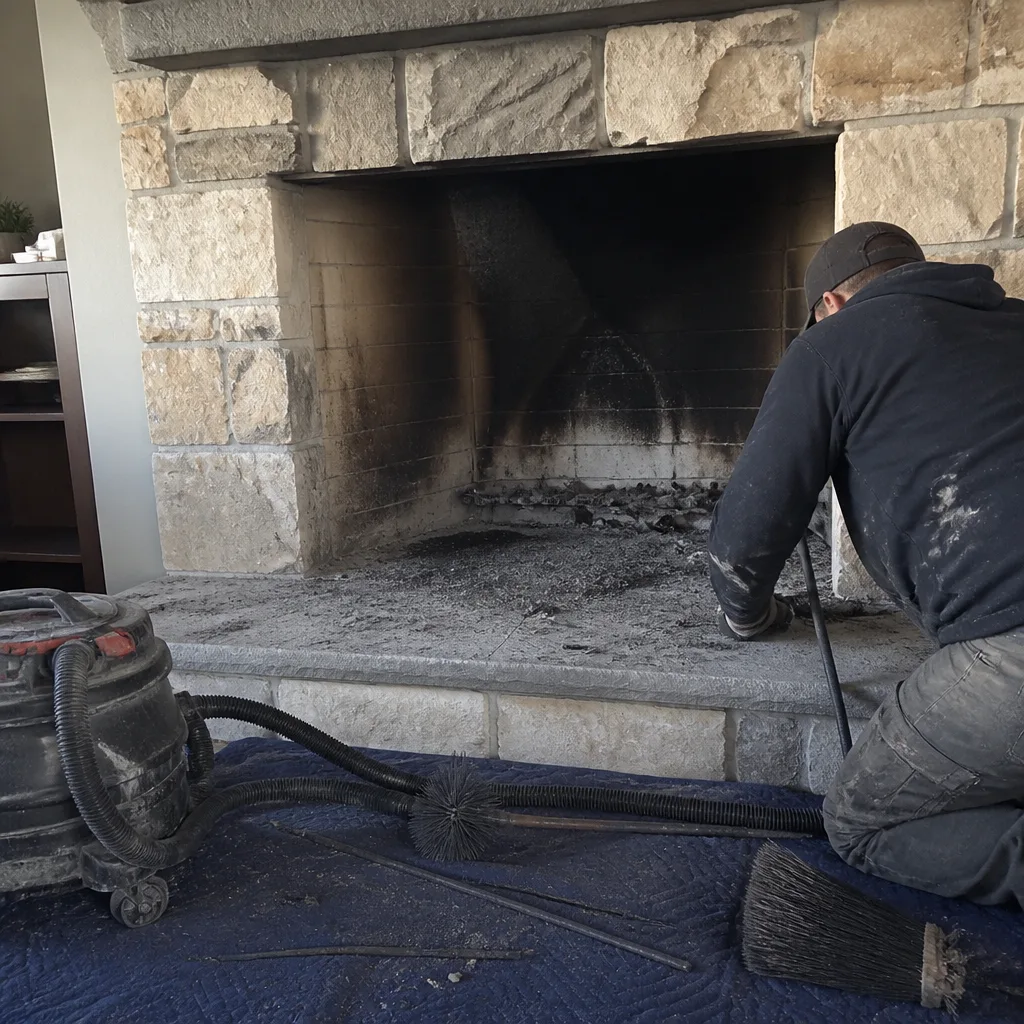 Before
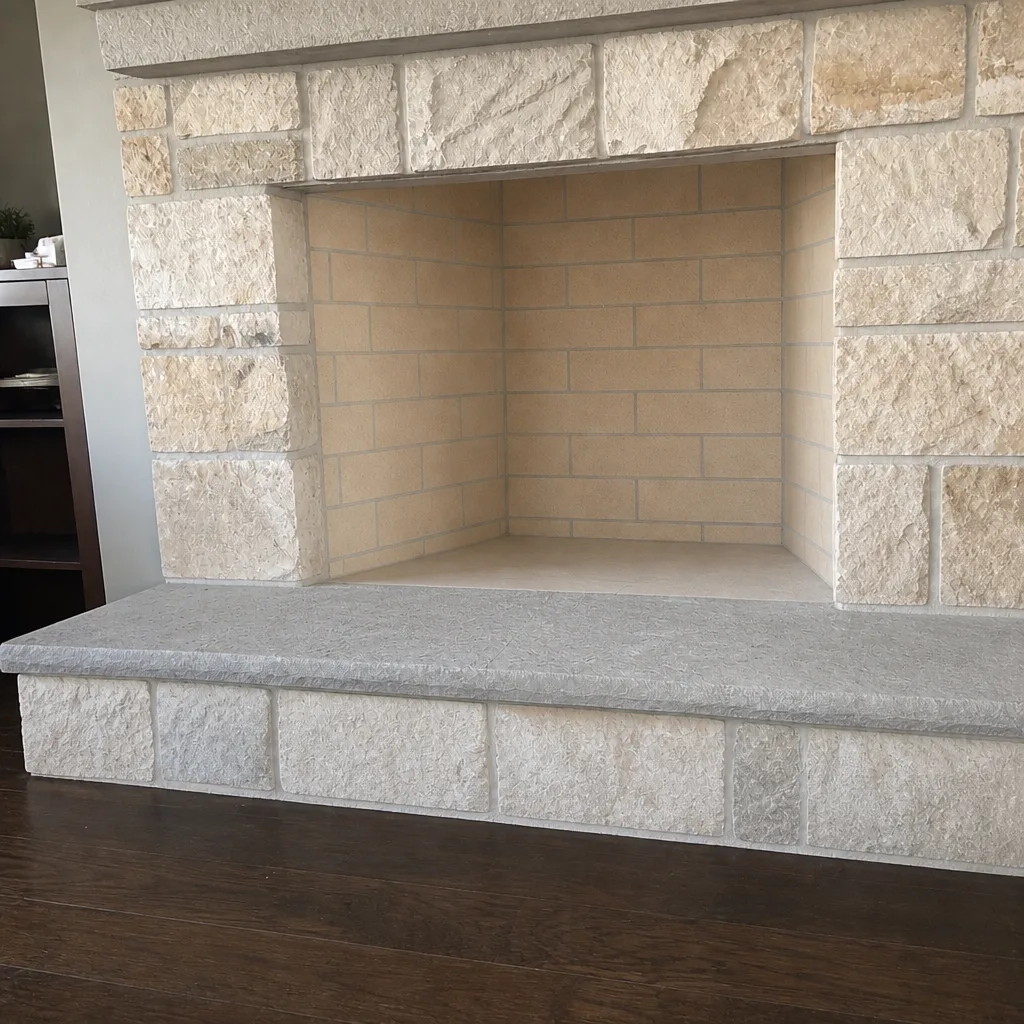 After
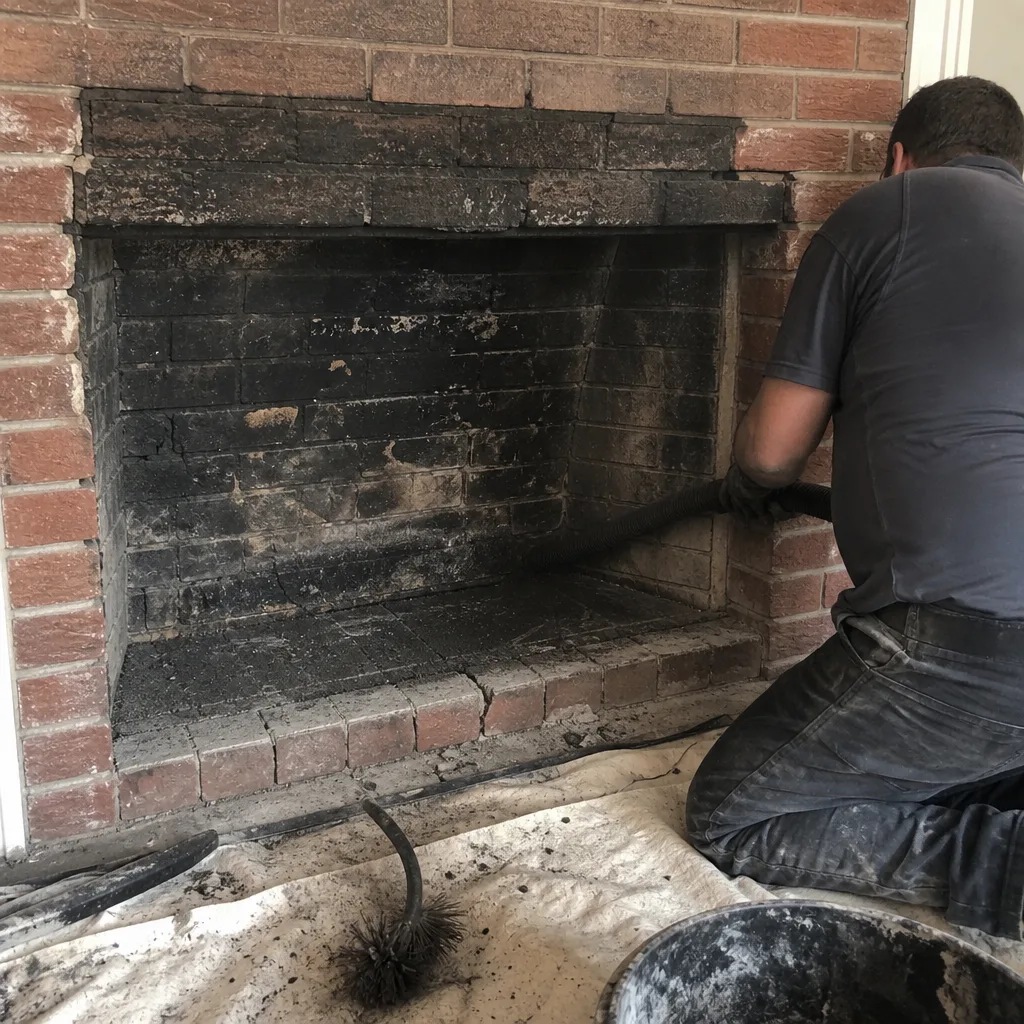 Before
 After
 Before
 After